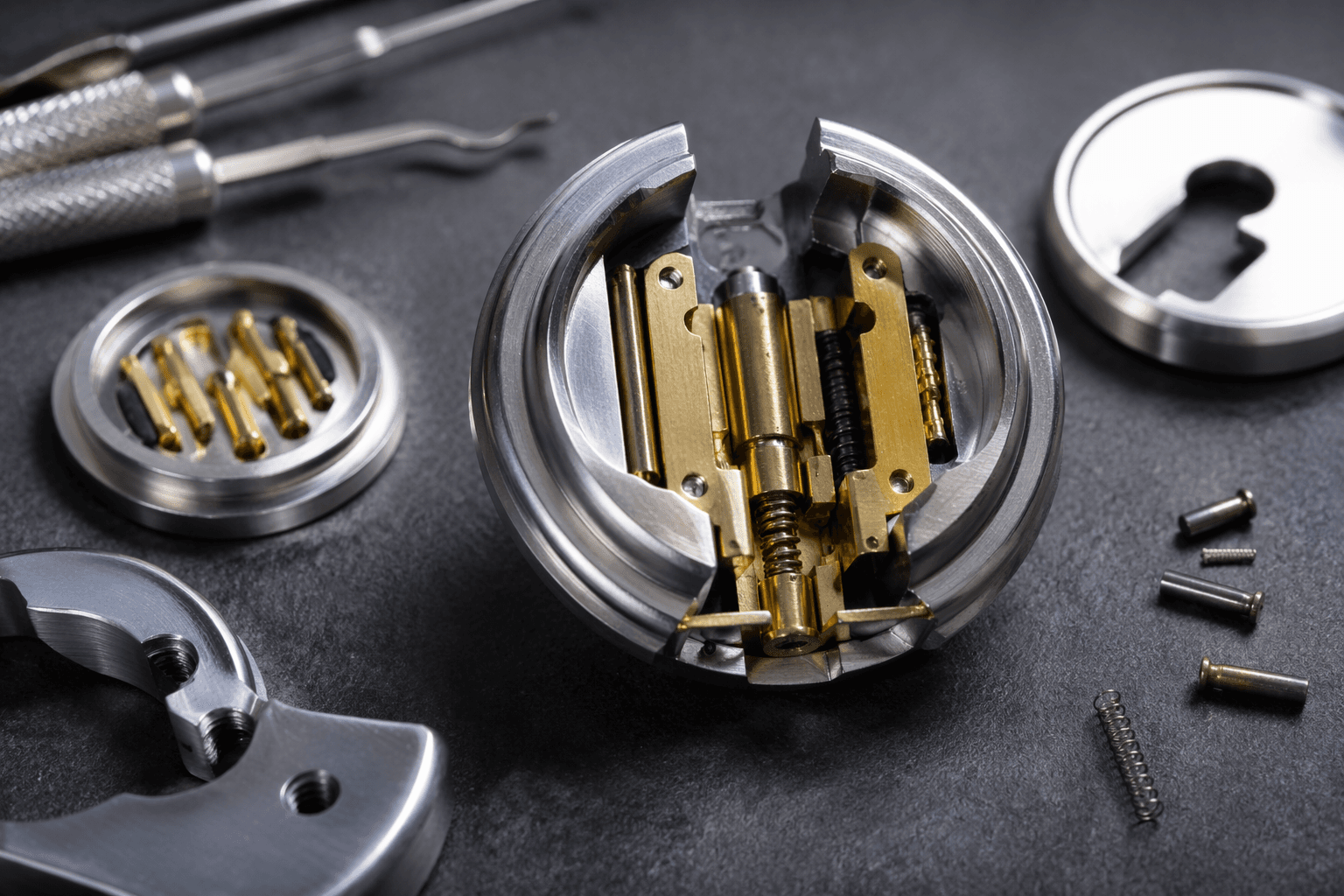
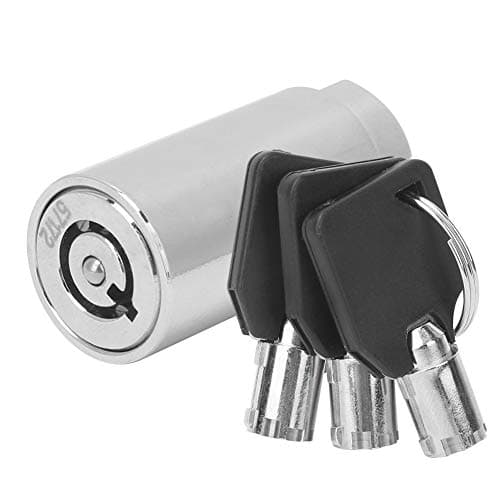
American Lock 1100 guide marks the jump to Green Belt skills
The American Lock 1100 is more than a stubborn padlock: it’s the benchmark where locksport turns from lucky openings into repeatable Green Belt skill.
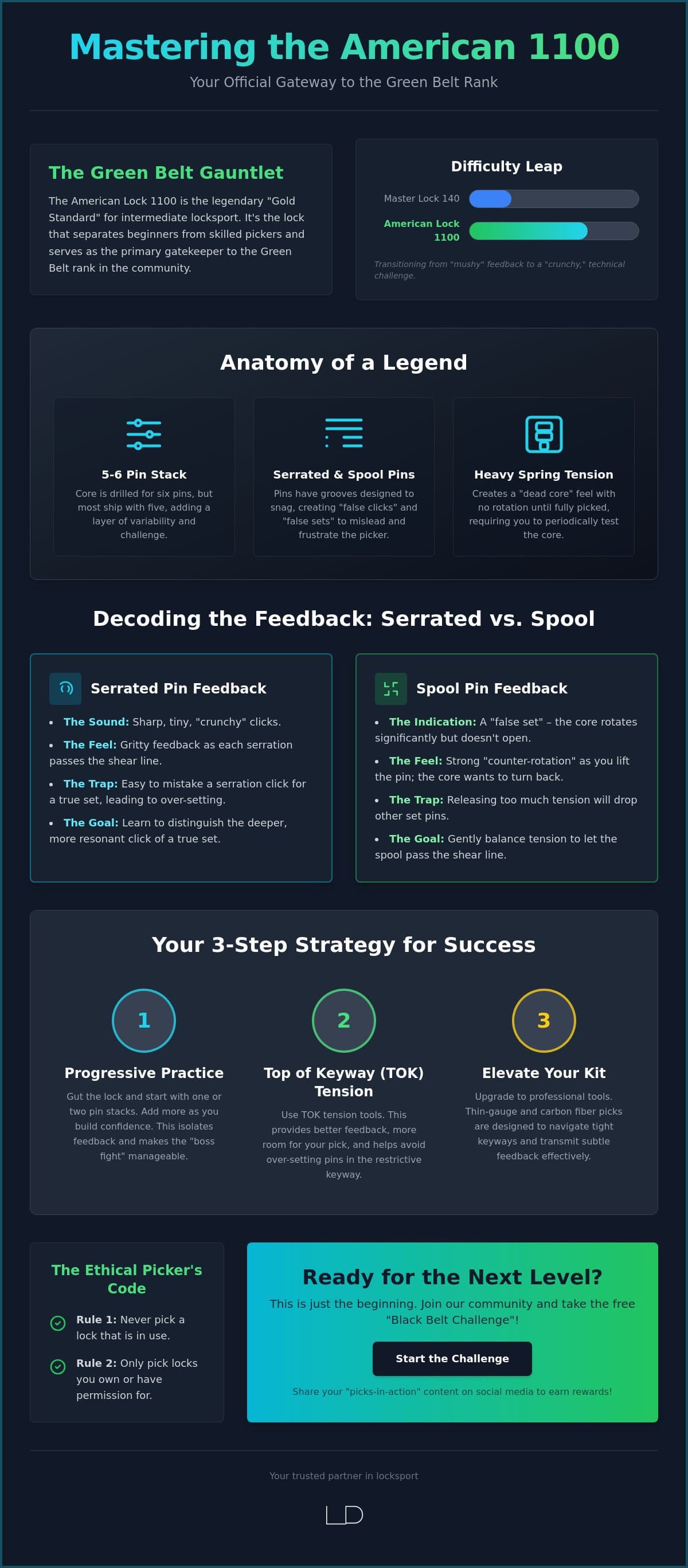
The American Lock 1100 has a way of stripping away the illusion that lockpicking is about force. It is the point where many pickers stop chasing openings and start learning to read what the lock is telling them, one pin and one click at a time. That is why a Green Belt guide built around it lands so hard in locksport culture: the 1100 is not just a target, it is a test of whether your technique has become repeatable.
Why the 1100 became a Green Belt milestone
Lockpickers United treats belt rank as a formal progression system, a tiered way to codify achievement and skill. In that framework, the Green Belt level makes sense for the American Lock 1100 because it asks for more than basic confidence. It asks you to manage subtle feedback, stay controlled under tension, and understand when the lock is talking back with a false set instead of a clean open.
That is what gives the 1100 its reputation as a rite-of-passage padlock. The lock is common, approachable enough to find, and stubborn enough to expose bad habits immediately. If you can work it consistently, you are no longer relying on beginner luck. You are showing that you can interpret the mechanics inside the core and respond to them on purpose.
What the 1100 teaches that easier locks do not
The American Lock 1100 is part of the 1100, 1200, and 1300 series, rekeyable pin-tumbler padlocks made by American Lock and built from anodized aluminum. That construction matters because it places the lock squarely in the world of real, functional security hardware rather than novelty practice gear. The experience is less about brute persistence and more about the discipline required to extract useful feedback from a lock designed to resist it.
The guide’s biggest lesson is pin feedback. The 1100 rewards the ability to recognize serrated pin behavior, which can feel like progress, resistance, and then a deceptive stall if you are not paying attention. It also forces you to manage a false set, where the core appears to be moving into place before the final binding pins have been addressed. That is the sort of mechanical conversation intermediate pickers need to learn, because it separates a lucky open from a reliable one.

Tension is just as important. Too much, and the core locks up into a dead fight. Too little, and the feedback gets muddy enough that every pin feels the same. The 1100 teaches the middle ground, the amount of control that lets you feel the pins without crushing the tolerances that make the lock readable in the first place.
A practical way to think about the 1100 is this:
- Listen for the difference between a sharp set and a false set.
- Keep tension disciplined enough to preserve feedback.
- Expect serrated pins to behave differently from plain cuts.
- Treat every bind as information, not just resistance.
Why this lock keeps showing up in belt conversations
The 1100 matters because it is both common and revealing. Lockwiki describes the 1100, 1200, and 1300 series as among the most common American-brand padlocks found in the United States, which helps explain why the lock appears so often in community progression talk. It is available enough to become a standard yardstick, but not so simple that it stops being useful once you know the basics.
That reputation is reinforced by the lock’s history. American Lock was founded in the early 1900s by John Junkunc, later acquired by Fortune Brands, and merged with Master Lock in 2003. The brand’s security catalog emphasizes five- and six-pin brass cylinders and serrated pins designed to be pick resistant, which lines up neatly with the 1100’s place in locksport as a meaningful benchmark rather than a disposable practice piece.

Forum discussions from Lock Picking 101 echo the same theme. Experienced users describe the 1100-series as containing spool pins and serrated pins, and they repeatedly frame the locks as difficult to master. That mix of real-world hardware design and community reputation is exactly why the 1100 keeps its status. It is not legendary because people say it is hard. It is legendary because it keeps proving that statement true.
How the benchmark fits the larger locksport ecosystem
The 1100’s role makes even more sense when you place it inside the organizations that shape the hobby. TOOOL, the Open Organisation Of Lockpickers, describes itself as a 501(c)(3) nonprofit dedicated to advancing public knowledge about locks and lock picking through teaching, research, and competition. It also says its meetings are public and free, and that it runs lockpick villages and sportpicking competitions at conferences and other public forums.
That public-facing mission explains why benchmark locks matter so much. A lock like the 1100 gives instructors, competitors, and self-taught pickers a shared language for difficulty and progress. It also fits with Lockpickers United’s Belt Explorer, which tracks nearly 900 locks in its ranked list. A system that large needs recognizable milestones, and the 1100 earns its place by marking the transition from learning how to touch a lock to understanding how a lock behaves under pressure.
The American Lock 1100 endures because it teaches the exact habits locksport wants to reward: reading feedback, controlling tension, and staying patient when the core offers a false story. That is why it is more than another tutorial target. It is the lock where the hobby starts asking for repeatable judgment, and the answer decides whether you are still practicing or finally moving up.
This article was produced by Prism’s automated news system from verified source data, official records, and press releases, then run through automated quality and moderation checks before publishing. The system is built and supervised by the people who set the standards it runs under. Read our full AI policy.
Did this article answer your question?