Best rekeying kits for Kwikset and Schlage locks tested
The strongest kits turn rekeying into real lock-school practice, with the best picks balancing brand fit, pin control, and room to learn without chasing tiny parts.
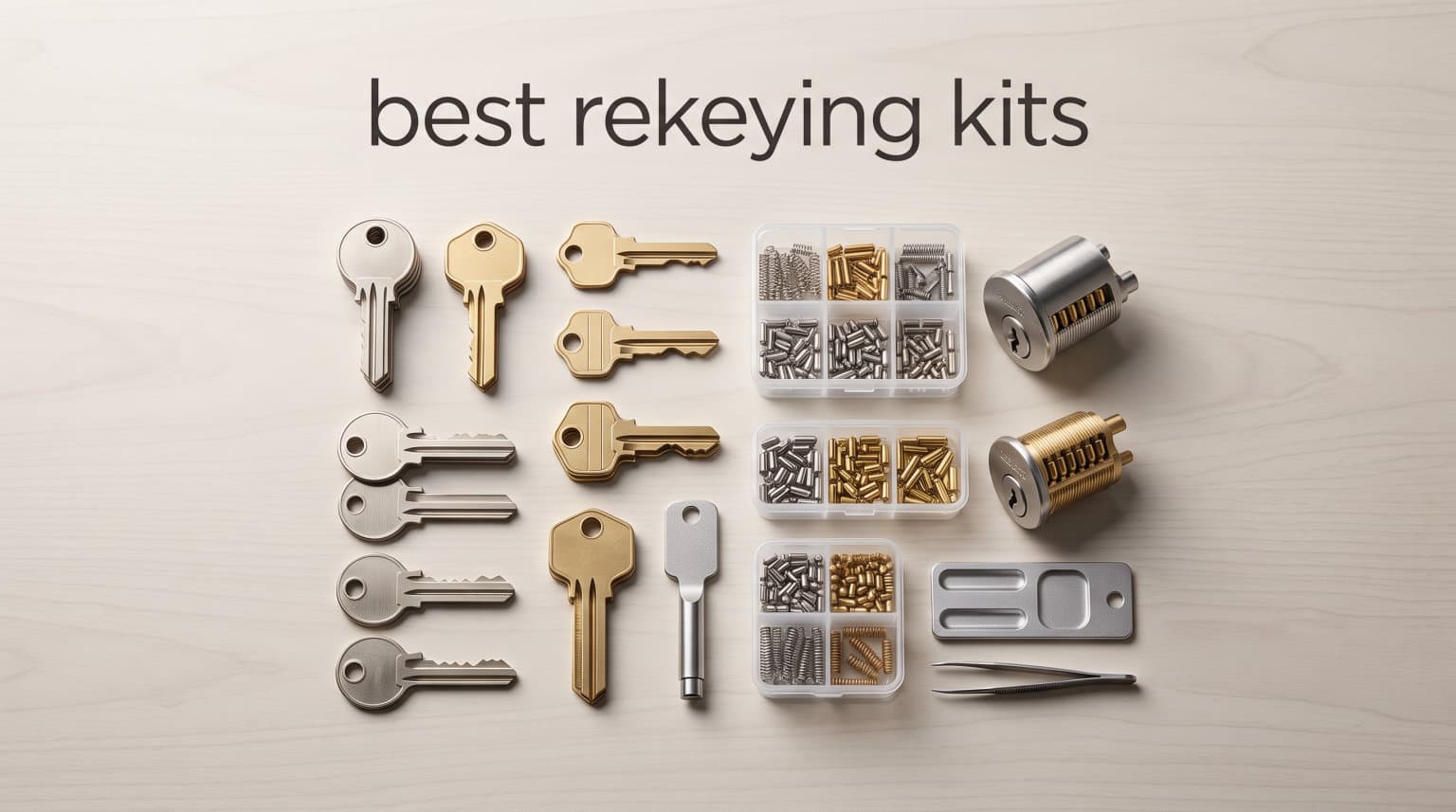
In a test run across 10 kits on residential Kwikset and Schlage locks, the winners were the ones that made pinning accurate, tool handling clean, and troubleshooting calm.
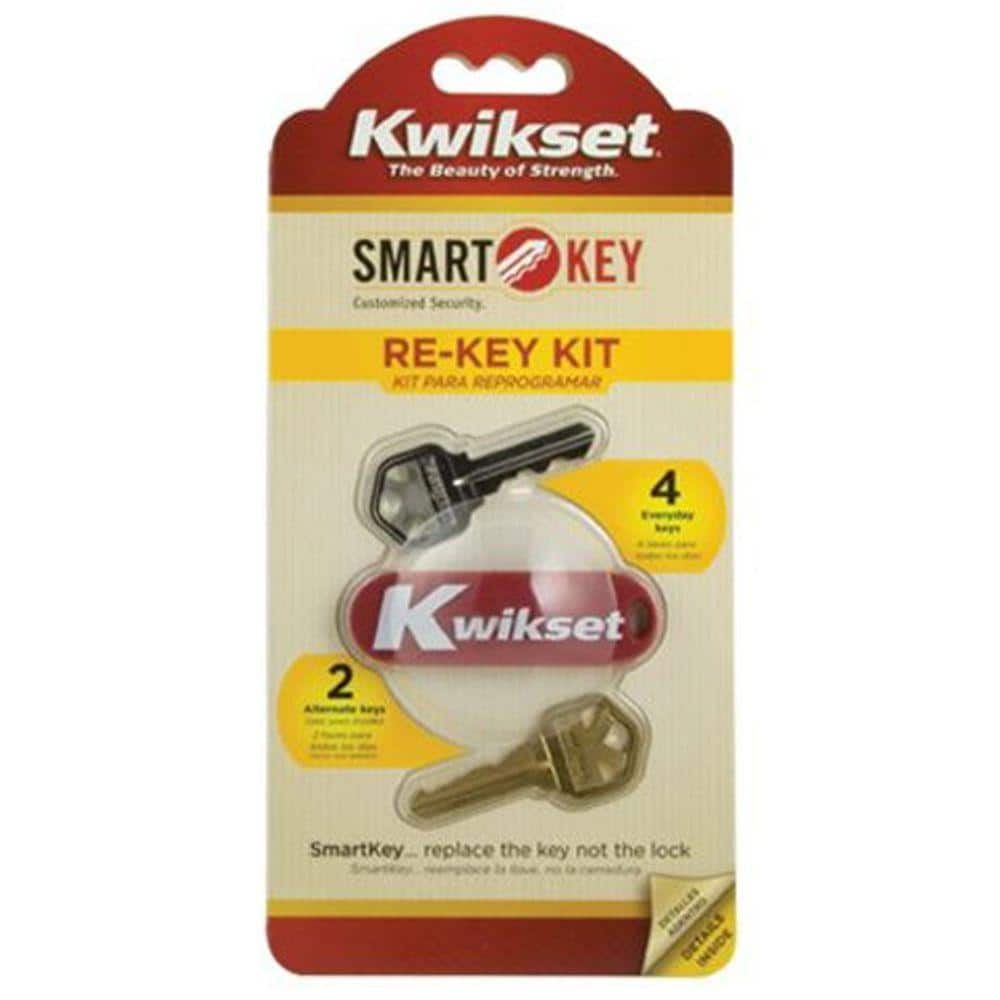
1. Kwikset SmartKey Re-Key Kit, editor’s choice
This is the kit that best rewards the person who wants the cleanest path into Kwikset work. Its edge is simple brand fit: a purpose-built kit avoids wrestling with parts that were never meant for that lock family in the first place.
2. Prime-Line E 2402 Schlage kit, best value
This is the most practical Schlage pick when price matters and the goal is still to learn the process properly. It lands in the sweet spot between affordability and usable hardware, which makes it easier to practice disassembly and repinning without feeling like you bought a throwaway set.
3. eBuilderDirect Schlage kit, budget pick
This is the lowest-friction entry point for someone who wants to get hands on a Schlage cylinder without spending much. The learning curve in rekeying is already steep enough, and a cheaper kit that stays organized is worth more than a pricier one that turns into a parts spill.
4. LAB pinning kit
At the top end of the price spread, the LAB pinning kits hit about $140, and that cost buys you a more serious training bench than the cheapest pin assortments. For anyone treating rekeying as a lock-sport skill, that extra structure gives you more room to pin accurately and diagnose what went wrong when the cylinder does not behave.
5. Basic pin sets around the $13 mark
The $13 end of the market is where budget kits show their limits fastest. They can still teach the core mechanics, but they are less forgiving when pin sizes get mixed or when you need a tidy layout to keep each tiny part where it belongs.
6. Larger pin-assortment kits
A larger assortment is the practical move when you want to cover more than one cylinder without constantly running short on the right stack. The extra pin count matters because rekeying is only as smooth as your ability to match the key and the plug without improvising on the fly.
7. Kits with commercial-grade cases
The case sounds like a minor detail until the springs start wandering. Commercial-grade storage helps most when you are practicing multiple tear-downs in a row, because a well laid out kit keeps the work focused on pinning accuracy instead of on recovery from a tipped tray.
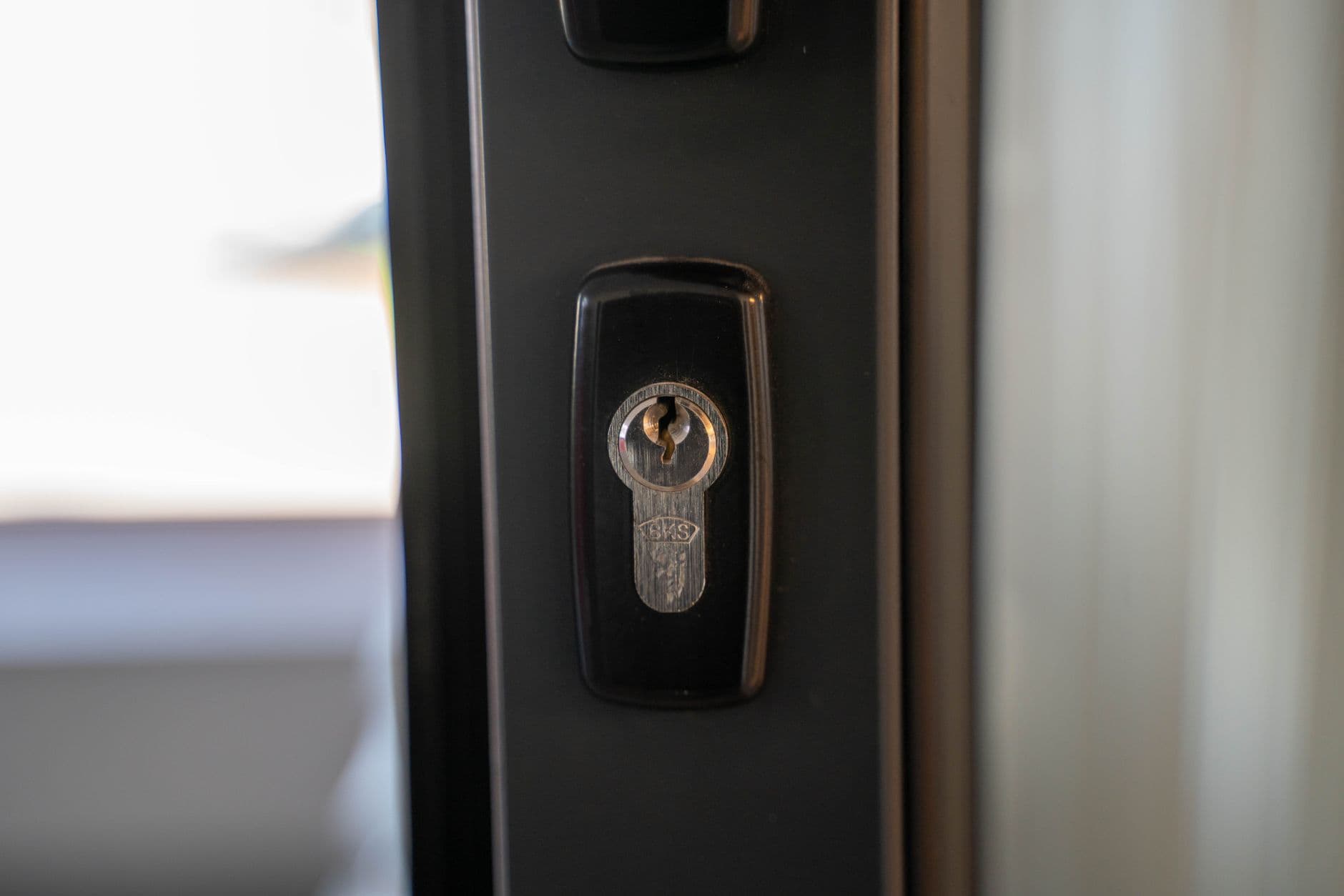
8. Kits with follower tools
Follower tools separate a tidy repin from a frustrating one, especially when you are trying to keep a cylinder aligned through the whole swap. For anyone learning how a lock is assembled, the follower is one of the clearest bridges between theory and the real mechanism in your hand.
9. Kits with gauges
Gauges turn guesswork into measurement, and that is exactly what keeps a rekeying session from becoming trial-and-error chaos. They help you read the lock more confidently, which is useful whether you are servicing your own hardware or trying to understand why one key stack feels right and another does not.
10. Kits with decoders and mixed-brand designs
These kits cover multiple brands, but the tradeoff is consistency. Compatibility is a major deciding factor. If you want the most reliable practice on Kwikset or Schlage, a focused kit usually teaches more cleanly than a universal one that tries to cover everything and lands with mixed results.
This article was produced by Prism’s automated news system from verified source data, official records, and press releases, then run through automated quality and moderation checks before publishing. The system is built and supervised by the people who set the standards it runs under. Read our full AI policy.
Did this article answer your question?