Lock Noob picks Lockwood 120N/30 in clean practice session
A tidy Lockwood 120N/30 open becomes a lesson in feedback and pin behavior, the kind of steady practice that keeps locksport moving.
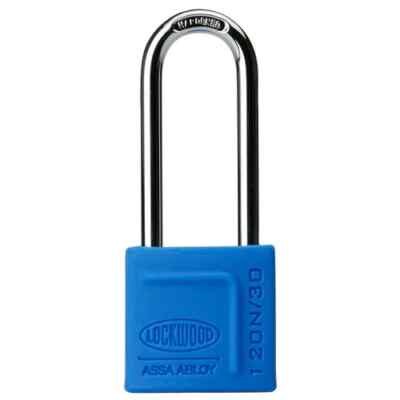
Lock Noob cleanly picks a Lockwood 120N/30 padlock in a straightforward, repeatable open that lets the picker listen to the lock. A small, honest open can teach more than a dramatic miss when the goal is building control, reading feedback, and recognizing pin state under tension.
A practice session, not a stunt
The video is titled *Lockwood 120N/30 Padlock Picked*, and the channel pairs it with the familiar reminder to only pick locks that are yours and not in use. The session is presented as responsible hobby work rather than a spectacle. The channel is built for new and intermediate pickers, technique discussion, tool reviews, and lots of lock openings.
A polished review can tell you what a tool is supposed to do, but a calm pick video shows what tension feels like in motion, how the hand settles, and how a lock behaves when the pins start to talk back.
Why the 120N/30 is such a good target
The Lockwood 120N/30 sits in a familiar middle ground for locksport. ASSA ABLOY’s Lockwood 120N Series is a 14-model range, with single, twin, and quad packs plus selected extended shackle lengths. The line uses solid brass bodies, chrome-plated hardened steel shackles, a self-latching shackle function, and pin-tumbler locking.
That combination makes the 120N/30 especially useful for practice. It is substantial enough to feel like a real padlock, yet it stays in the category of standard pin-tumbler work rather than drifting into the much narrower world of challenge locks or highly specialized security hardware. The Lockwood 120 series is a consumer range of brass pin-tumbler padlocks from 30 mm to 60 mm wide, supplied with three keys.
For an intermediate picker, that is often the sweet spot. The lock is large enough to reward careful hand position and deliberate tension, but ordinary enough that progress comes from fundamentals rather than from solving an unusual gimmick.
What the open teaches about feedback
A clean open on a lock like this is valuable because it lets you track feedback without too much noise. In a solid brass padlock with pin-tumbler core behavior, the picker can study how tension changes the feel of binding pins, how the plug responds when a set is close, and how the final turn arrives only when the stack is behaving cleanly. That makes the session a practical lesson in reading a lock, not just defeating one.
Progress on this kind of padlock is often about small signals. The body, shackle, and core all contribute to the feedback loop, and a picker learns to separate true movement from false confidence. In that sense, the Lockwood 120N/30 functions as a diagnostic tool as much as a target: it gives you a readable example of what “good” picking looks like when the lock is doing what a standard pin-tumbler lock does.
Why Lock Noob’s channel fits this kind of content
Lock Noob is a tool designer who works with Sparrows Lock Picks, Multipick, and Wendt. His videos sit at the intersection of instruction and product awareness, which is exactly where a lot of hobby learning lives. Viewers are not just watching a lock open; they are watching someone whose perspective is shaped by making, using, and evaluating tools.
For intermediate pickers, tool choice and technique are always linked. When a channel has both the teaching mindset and the product-side fluency, even a plain padlock pick becomes a reference point for how a tool interacts with a lock, how grip and angle affect the result, and how different setups can change the feel of the same core.
Where this sits in the wider locksport ecosystem
This is also the kind of video that keeps the hobby moving between bigger, higher-profile moments. Major reviews and security teardowns grab attention, but routine practice opens are what build the shared baseline. They give newer pickers a standard to compare against, and they give more experienced hands a chance to measure feedback, timing, and consistency against a known lock.
TOOOL US is The Open Organisation Of Lockpickers, a 501(c)(3) nonprofit dedicated to advancing public knowledge about locks and lock picking through teaching, research, and competition. TOOOL Netherlands calls itself the oldest lockpicking sports club in the world after Germany’s SSD e.V.
This article was produced by Prism’s automated news system from verified source data, official records, and press releases, then run through automated quality and moderation checks before publishing. The system is built and supervised by the people who set the standards it runs under. Read our full AI policy.
Did this article answer your question?