Covert Instruments argues lockpicks should use turning tool, not tension wrench
A tiny vocabulary shift changes the whole technique: calling it a turning tool teaches torque, clarifies pin binding, and helps beginners pick cleaner.

The little bent piece of steel at the start of a pick job does not stretch anything. It turns the plug, and that is why Tony Virelli is pushing for a cleaner name. In Covert Instruments’ July 3, 2026 essay, the case is not just semantic, it is mechanical: calling it a turning tool teaches the force you are actually using, and that changes the first mental model a beginner builds.
Why the name matters at the lock
Virelli’s argument starts with the physics that happens in the hand. Tension is a pulling force, while the tool in the keyway is being used to apply rotational force, or torque, to the plug. That distinction is the heart of the piece, because the lock opens only when the binding pins are set and the plug can rotate to the shear line.
That is also why the old phrase can mislead new pickers. If the first lesson is framed as “tension,” the beginner may picture a stretch or pull instead of controlled rotation against the plug. The more accurate name does more than tidy up vocabulary. It gives the hand a better job description: hold torque steady, let the pick work the pins, and keep the relationship between plug rotation and pin binding clear.
What the starter kit is really teaching
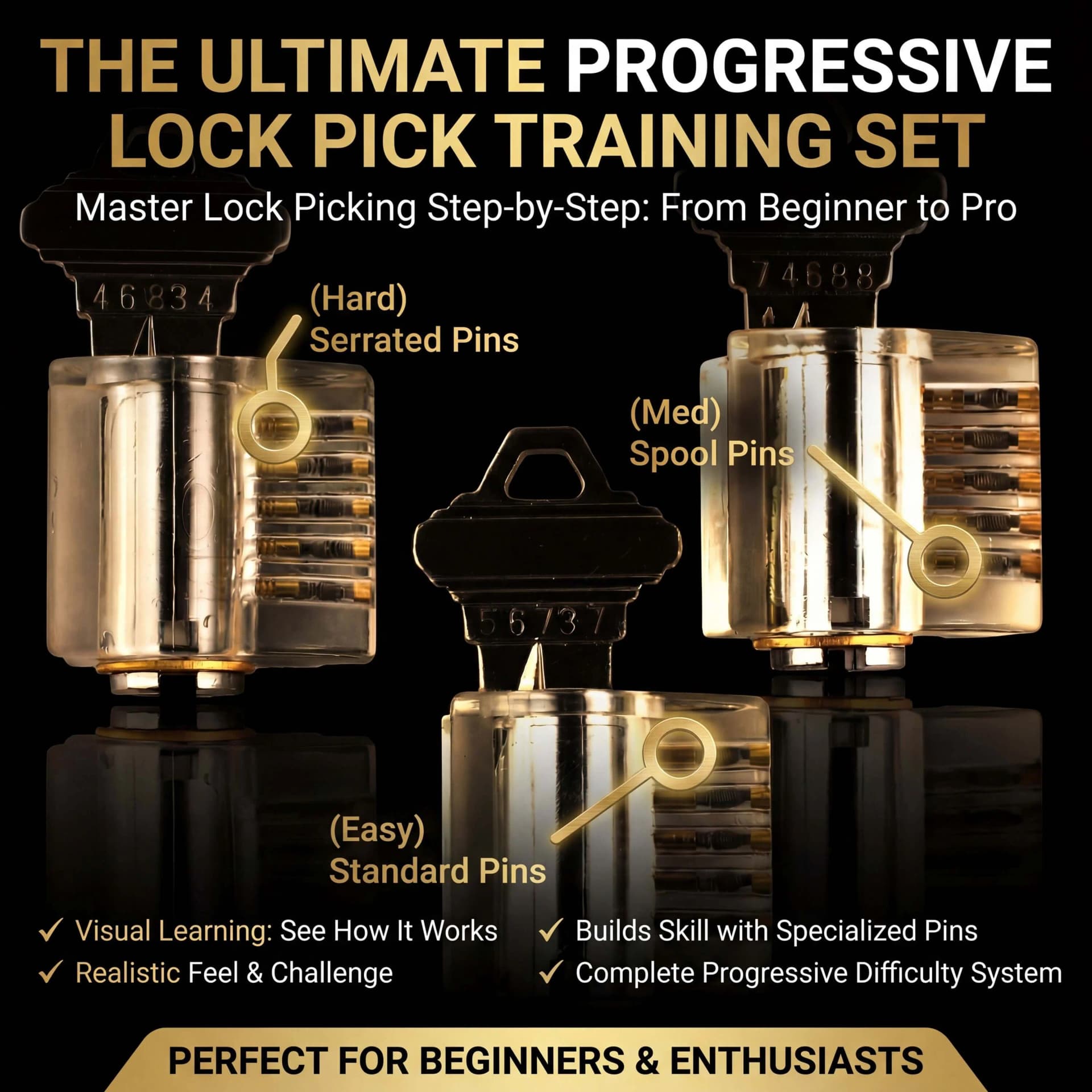
Covert Instruments already treats the turning tool as a core part of the beginner setup. Its starter kit description includes a hook, a rake, a turning tool, and a clear acrylic lock. That combination tells a story all by itself: one tool creates rotational pressure, the other tools probe and manipulate the pin stack, and the transparent lock makes the internal mechanics visible.
For a newcomer, that matters because the kit is not just a bundle of metal and plastic. It is a lesson in sequence and function. The clear acrylic lock lets the learner connect the movement of the pins to the force in the hand, which makes the turning tool feel less like a side accessory and more like the control surface for the entire job.
The hobby already teaches through precision
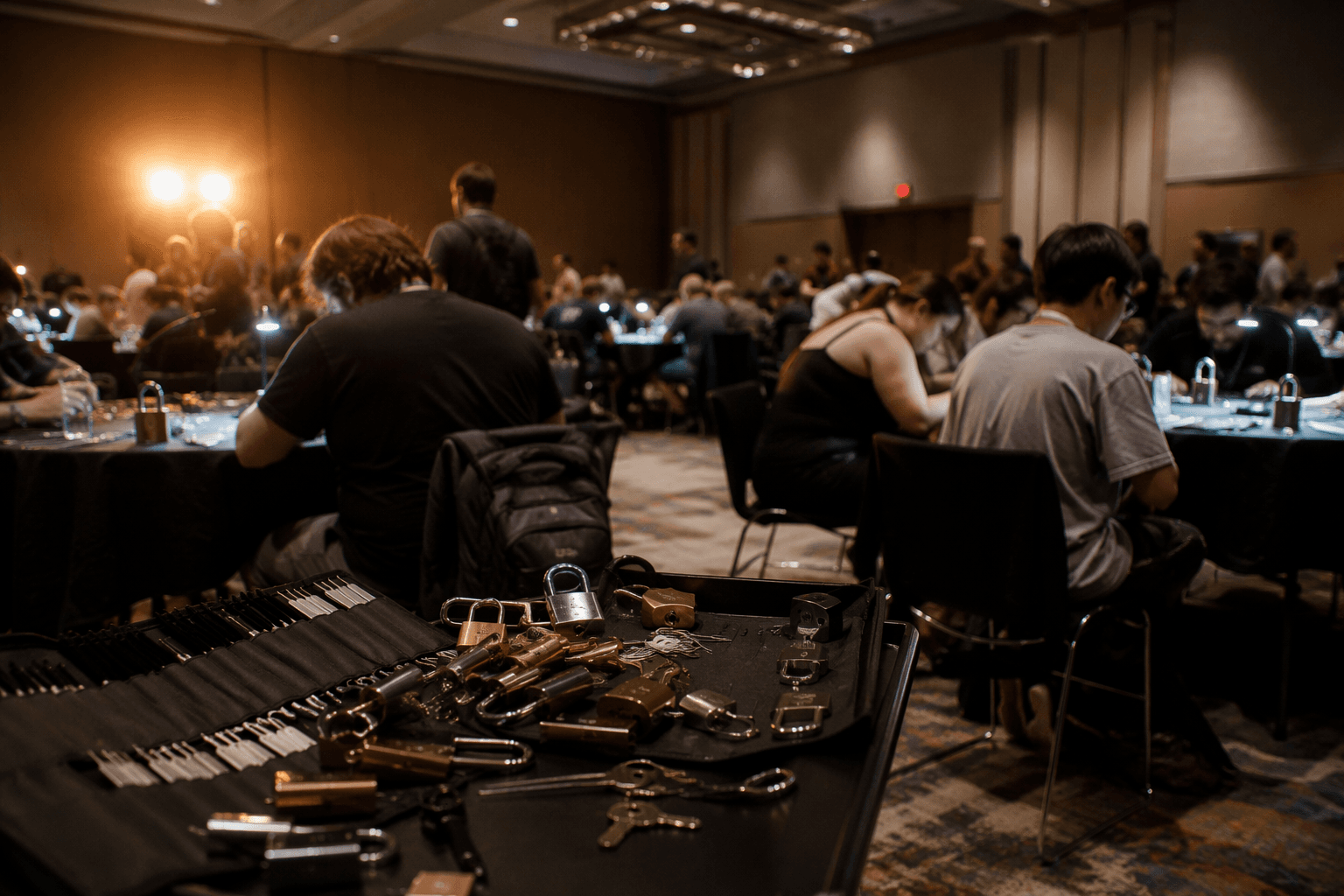
This naming fight lands in a community that already cares deeply about instruction. The Open Organisation Of Lockpickers, better known as TOOOL, describes itself as a 501(c)(3) nonprofit devoted to teaching, research, and competition around locks and lock picking. Its mission is to advance public knowledge and strip away the mystery around locks and safes, which puts terminology right where it belongs, at the center of the learning process.
TOOOL’s education materials lean in the same direction. Its slide decks explain how pin tumbler locks work and how lock picking is possible, and its programs bring that teaching to Lockpick Village presentations at DEF CON and other public forums. The group also runs local chapter meetings and its annual Lockfest, where the hobby’s technical vocabulary is part of the shared language, not a trivia point on the side.
That educational posture extends to law and responsibility. TOOOL provides U.S. state-law guidance for hobbyist lockpickers and tells members to know the laws in their jurisdiction. In a hobby that sits close to the line between research and misuse, precise terms are more than polish. They are part of disciplined instruction.
The manuals back up the mechanics
The mechanics behind Virelli’s point are not new. Master Lock’s technical manual defines a pick as a tool used to manipulate tumblers in a lock or cylinder into the locked or unlocked position through the keyway without obvious damage. That definition matches the basic logic of the hobby: the pick manipulates, while the turning tool maintains the rotational pressure that lets the pins bind.
The Central Intelligence Agency’s lock-picking manual language, meanwhile, emphasizes proper terminology, tool design, and the importance of using the right tool for the right job. That framing is exactly where Virelli’s essay lands. If the tool is named for what it actually does, the beginner is less likely to confuse force, function, and sequence before the first pin is set.
A community habit, not a hard break
The essay does not pretend the old term vanished overnight. Most pickers know “tension wrench,” and the phrase has been part of the hobby long enough to feel normal. Virelli’s point is not to erase common speech, but to show that common speech is not always the most useful speech when someone is learning how the lock actually behaves.
That is also why the broader industry vocabulary matters. Schlage’s 2024 and 2025 Pin & Tumbler Studio announcements show that “pin and tumbler” remains a mainstream term in the lock world, even if it is branding for door hardware rather than lock-picking talk. The industry already uses exact language to describe mechanisms, and the hobby has every reason to do the same.
Better words lead to better hands
Once the turning tool is understood as the piece that delivers torque to the plug, the rest of the lesson sharpens. The hand is not trying to stretch metal or force the lock open by brute pressure. It is managing rotation while the pick finds the binding pin that finally lets the plug move.
That is why Virelli’s naming push lands with instructors, creators, and anyone teaching the basics at a bench or a village table. The better the label, the cleaner the mental model; the cleaner the mental model, the fewer beginner mistakes when the first pin binds and the lock starts to give.
This article was produced by Prism’s automated news system from verified source data, official records, and press releases, then run through automated quality and moderation checks before publishing. The system is built and supervised by the people who set the standards it runs under. Read our full AI policy.
Did this article answer your question?