Dublin hackerspace's lock picking night makes learning social
Dublin’s lock picking night turns a technical skill into a standing social ritual, with tools on hand and beginners built into the room. The biweekly cadence keeps the learning moving.
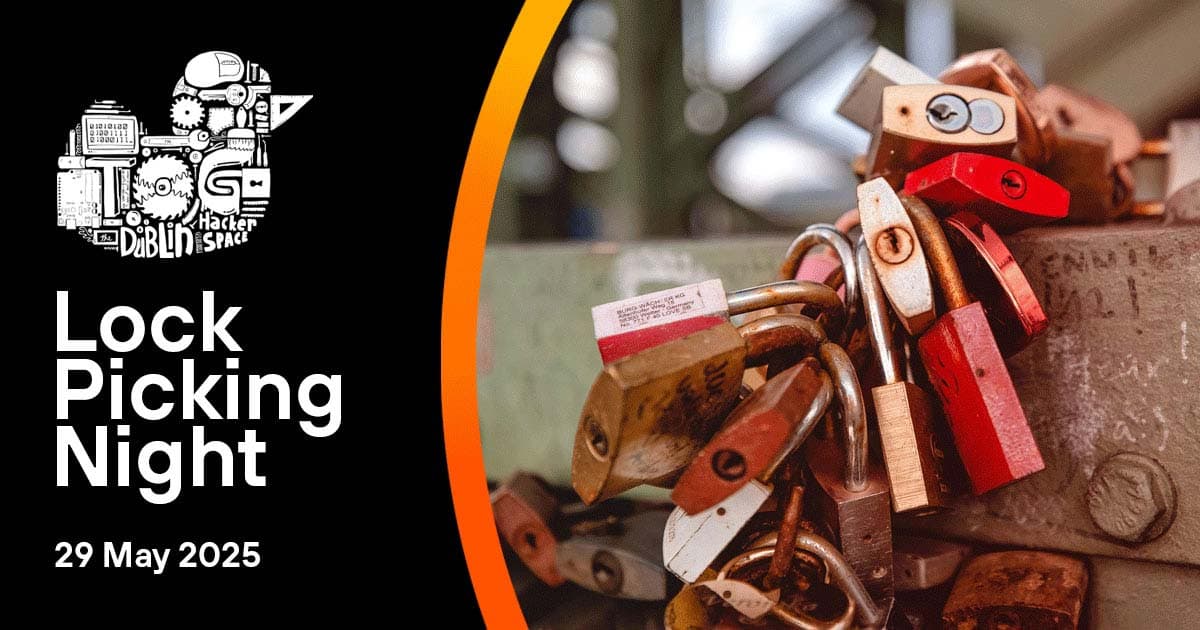
Tog Hackerspace has made lock picking feel less like a solitary puzzle and more like a standing community habit. In Dublin, the night is built for people who want to pick locks, compare notes, show off new tools, and learn alongside others instead of practicing alone.
A recurring night built for shared learning
The Thursday session is simple on purpose. TOG says the night is meant to bring all lock enthusiasts together, and it runs every other Thursday from 7:00 pm, with sessions usually lasting about two hours and sometimes continuing past 10 pm. The space also says it has everything needed to get people started, which matters because no one has to arrive already equipped or already fluent in the jargon.
That low barrier is part of the point. The event is not framed as an insider-only workshop or a private club for seasoned pickers. It is a room where newcomers can sit down, handle real gear, and learn the basics in the same place where more experienced people are testing new tools and trading techniques.
What the night actually looks like
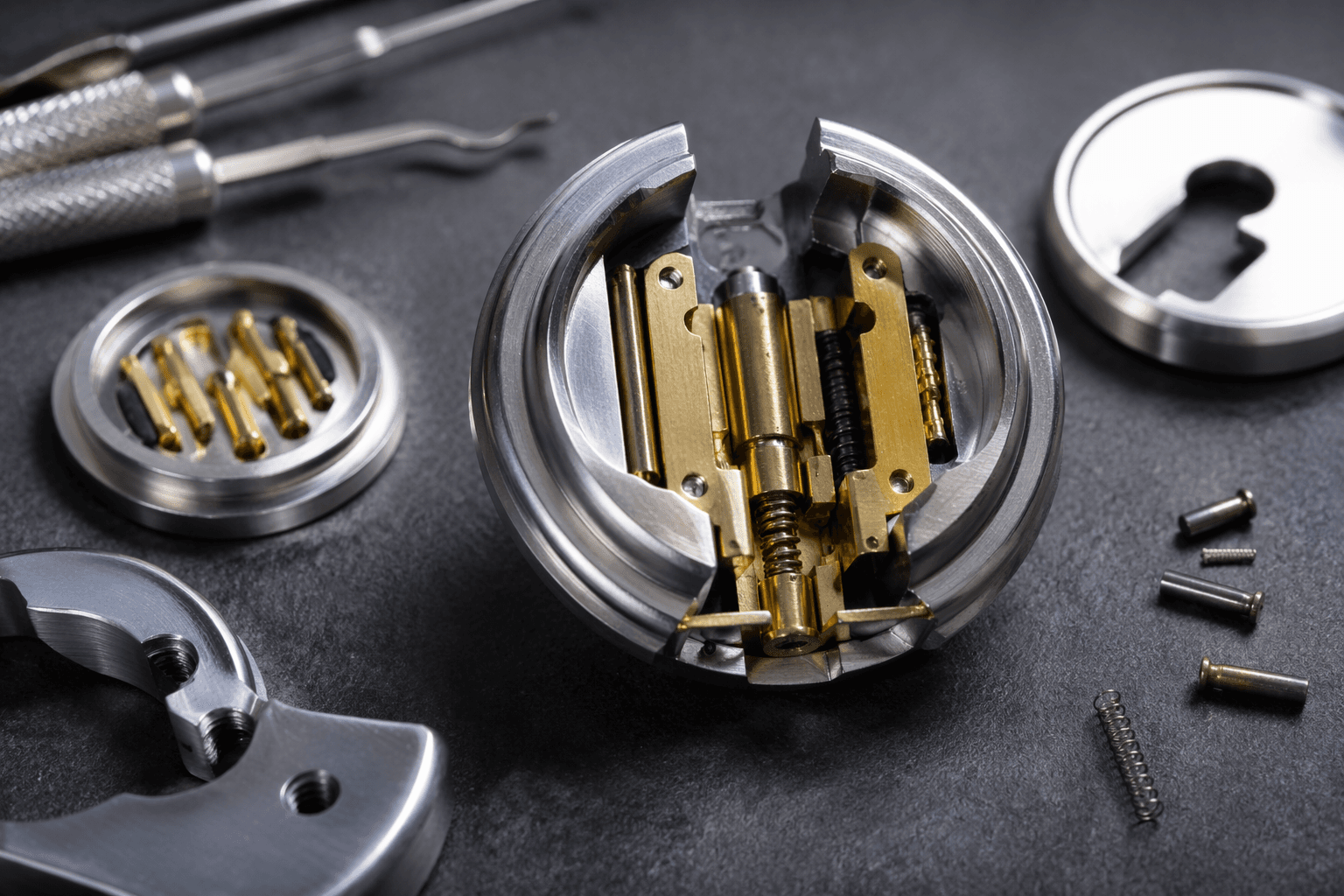
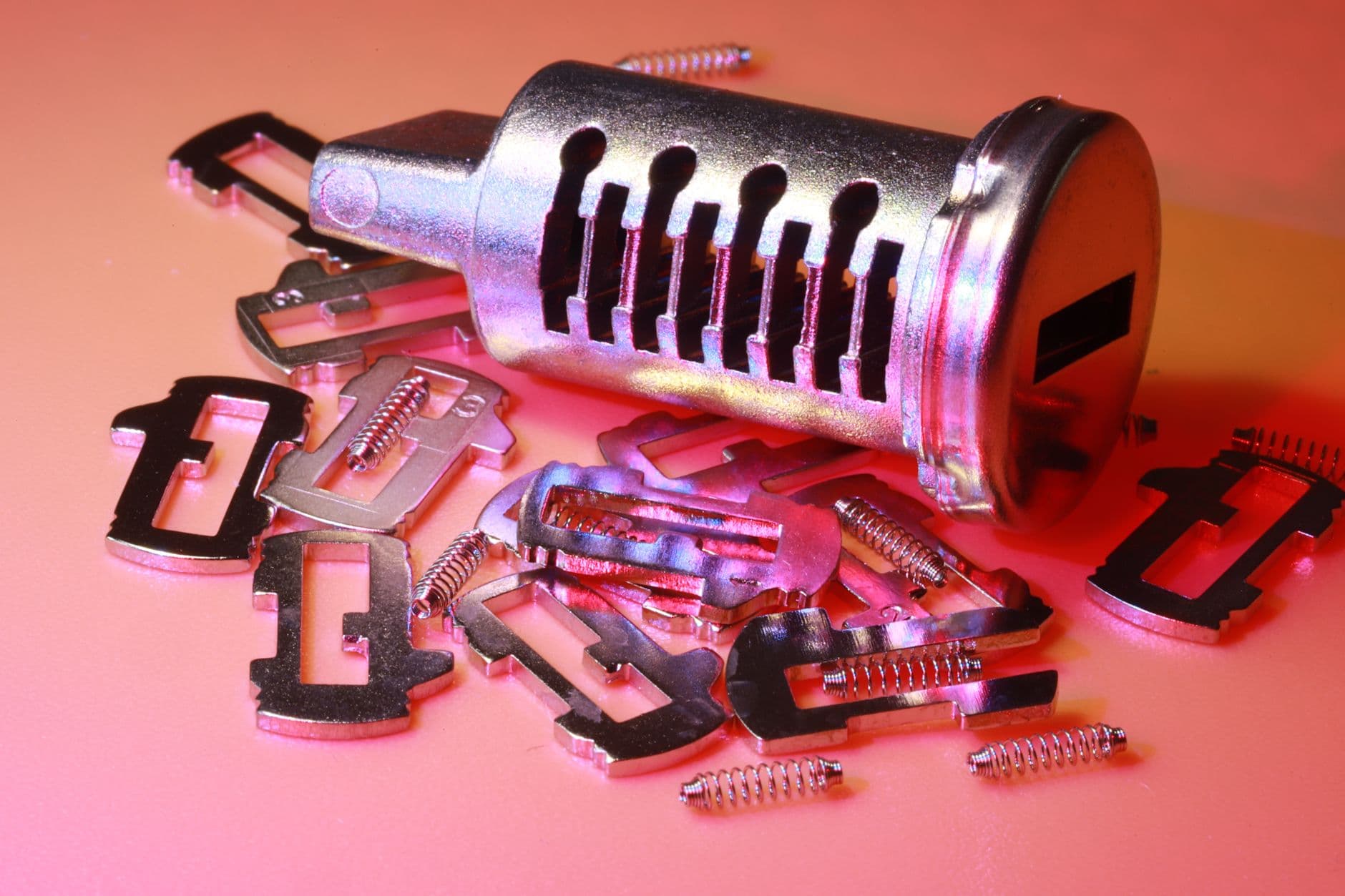
TOG’s own description makes the format feel hands-on rather than ceremonial. Attendees can work with padlocks, practice locks, handcuffs, and other parts, and the space supplies tools, with some available to buy. The event page also says the goal is to make lockpicking more social, which is exactly what turns a niche skill into a repeatable gathering instead of a one-off demo.
That social structure matters in locksport, where the hobby is commonly understood by practitioners as recreational, social, and competitive. The value is not just in defeating a lock. It is in seeing how another person approaches the same mechanism, comparing feedback, and figuring out which tools or techniques fit which locks.
TOG also frames the night as a chance to learn the different methods of picking and bypassing common locks in Ireland. That gives the evening a classroom feel without losing the looseness of a hobby night, and it helps explain why the event keeps drawing both first-timers and regulars back into the same room.
Why the biweekly cadence works
The rhythm is doing a lot of the work here. A lock picking night that happens every two weeks gives beginners enough time to try a few things on their own, then come back before the whole experience slips away. It also gives regulars a dependable place to return to, which helps the social side of the hobby harden into community.
That cadence is especially useful in a skill like lock picking, where progress can be uneven. One week you may only get a single pin to bind cleanly; the next, a quick tip from the person beside you might unlock a lock that had been stubborn for weeks. A recurring night gives those small breakthroughs a place to accumulate.
TOG’s description captures this in plain language: the point is to get people together in one room instead of leaving them to practice alone in a workshop, office, or on the couch. That is what makes the event feel durable. It is not just a class and not just a meetup. It is a shared habit that keeps technical learning social.
How TOG makes the hobby approachable
The hackerspace’s support for the night also says a lot about the kind of place TOG is. The group says it had its first meeting on January 21, 2009, when 17 people gathered to set up a hackerspace in Dublin, and it later described itself as Ireland’s oldest hackerspace. That long history gives the lock picking night a home base with actual institutional memory behind it.
TOG describes itself as volunteer-run, community-based, and a place to make, learn, repair, build, and share skills. That broader mission explains why lock picking fits naturally alongside electronics, coding, and other maker activities. In a space like this, picking a lock is not treated as a rogue pastime. It is another way of understanding mechanisms, tolerances, and problem-solving.
The event’s in-person listing adds a practical note: bring your picks, locks, and have some fun. That phrasing captures the spirit of the night well. The event is structured enough to support newcomers, but open enough to keep the mood light.
A hobby with real-world muscle memory
TOG has also shown that the skills built on lock picking night can carry over into real situations. In a 2023 post, member and host Conor helped open a car door without damaging the lock after a little study and poking around with the mechanism. It is a small story, but it shows how the group thinks about the hobby: patient observation, careful technique, and practical results.
That same spirit is part of why TOG’s work also sits comfortably inside the wider security community. The hackerspace was a community sponsor of Security BSides Dublin 2025, reinforcing the sense that this is not a hidden corner of hobby culture but part of a larger ecosystem of practical security education. The overlap makes sense. Locksport is about understanding how systems fail, where they resist, and how to work with them without breaking them.
Why Dublin’s version feels resilient
A lock picking night can live or die on atmosphere, and TOG seems to have found one that works. The room is stocked, the cadence is reliable, and the culture is open enough for beginners to stay long enough to get better. That combination is what keeps a niche skill from feeling intimidating.
In Dublin, the result is a hackerspace night that does more than teach technique. It turns lock picking into a social ritual, one that rewards curiosity, repetition, and the simple confidence that comes from sitting beside someone else who is trying to solve the same mechanical problem. That is how a biweekly meetup becomes a community, and how a room full of tools becomes a place where learning actually sticks.
This article was produced by Prism’s automated news system from verified source data, official records, and press releases, then run through automated quality and moderation checks before publishing. The system is built and supervised by the people who set the standards it runs under. Read our full AI policy.
Did this article answer your question?