How high-security locks use sidebars to challenge lockpickers
High security is more than hard-to-pick pins. Sidebars, restricted keys, tighter tolerances, and hardened parts turn the lock into a whole security system.
Schlage’s Primus and Primus XP systems use six cuts for the standard locking mechanism plus five side finger pins that operate a secondary sidebar lock. In locksport, that is where the real lesson begins: the strongest designs are not just tougher to rake or slower to single-pin pick, they are built as layered systems that control keys, resist destructive attack, and force you to understand the whole mechanism before you ever touch the core.
High security starts with the whole design
A lock can look substantial and still be a fairly ordinary puzzle inside. High-security mechanical locks go further by combining tighter manufacturing tolerances, restricted keyways, patented key control, and hardening against drilling, pulling, and forced rotation. That mix changes the kind of problem you are solving: not just how a plug reaches shear, but how the lock limits access, how its parts are guided, and how it handles attacks that never involve a pick at all.
They reward clean tension, careful feedback reading, and patience, but they also make you think like a security designer. A cylinder that merely feels precise is not the same thing as one that is engineered to resist specific attack paths, and high-security hardware is full of those distinctions.
What a sidebar changes
The sidebar is the feature that most clearly breaks the beginner assumption that high security just means more pin work. Instead of relying only on standard pin alignment at the shear line, a sidebar system adds a second condition before the plug can rotate. In practice, that means you are not listening only for the classic click of a pin setting; you are also dealing with another internal lock that has to agree with the rest of the mechanism.
Schlage’s Primus and Primus XP systems are a clean example. That extra layer changes the feel of the lock immediately, because the plug can behave as if it is nearly ready while the sidebar is still refusing to release. For a picker, the challenge is not just setting pins, but learning how a second alignment system behaves when the primary stack is already under tension.
Sidebar designs also raise the stakes on precision. If the main stack is close but the sidebar is not, the lock may give you a false sense of progress.
False sets, security pins, and delicate tension
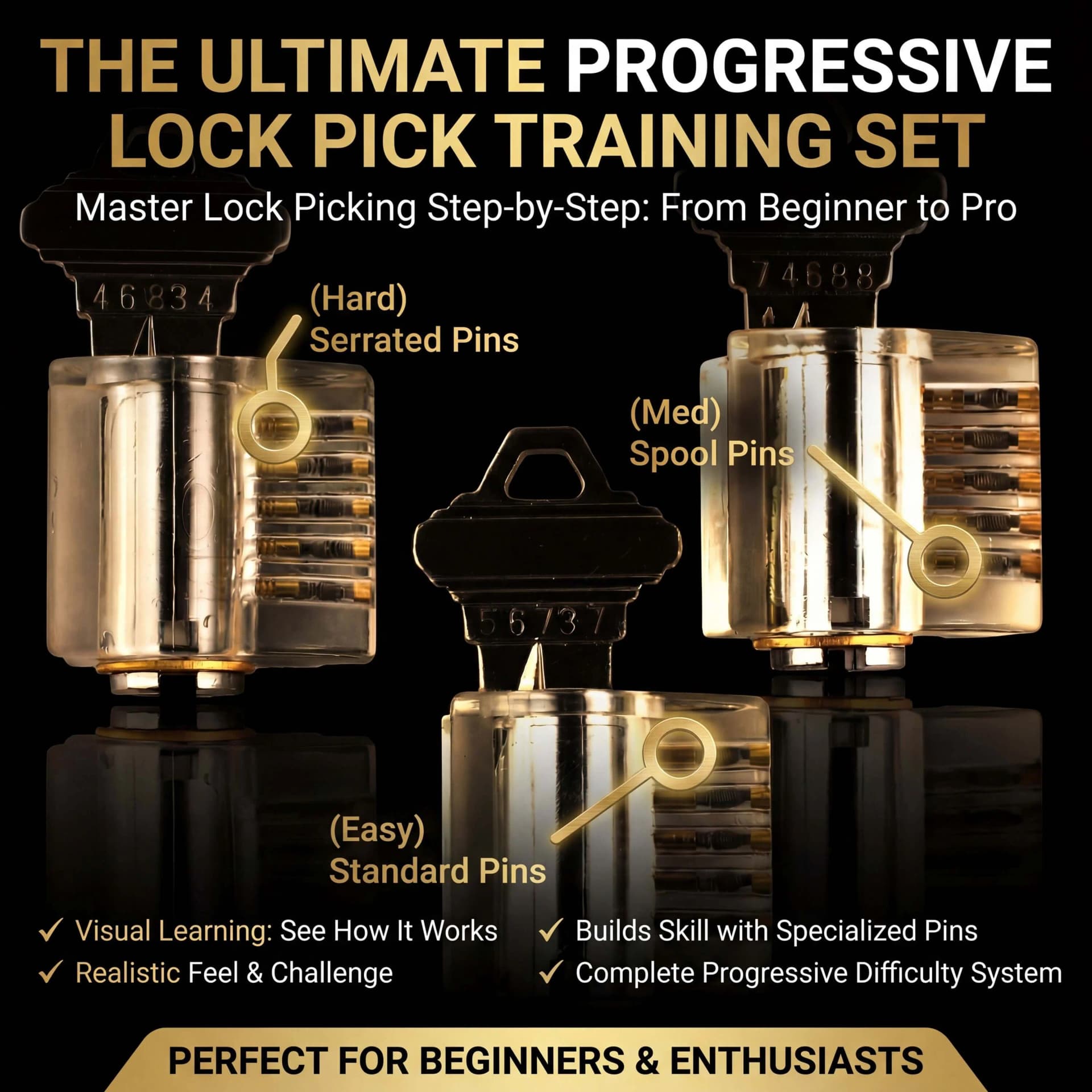
Once a high-security lock starts using spools, serrated drivers, or other security pins, the feedback gets more deceptive. False sets become part of the experience, and tension control matters more than speed, brute force, or a quick rake. The lock may feel as though it has given in when it has only shifted into a state that still blocks the final release.
That same idea extends beyond the pin stack. Some designs pair pick resistance with hardened inserts, anti-drill plates, or rotating elements so the cylinder is protected against drilling as much as picking. A lock that can frustrate a single attack style is not necessarily secure unless it also covers the destructive paths that bypass picking entirely.
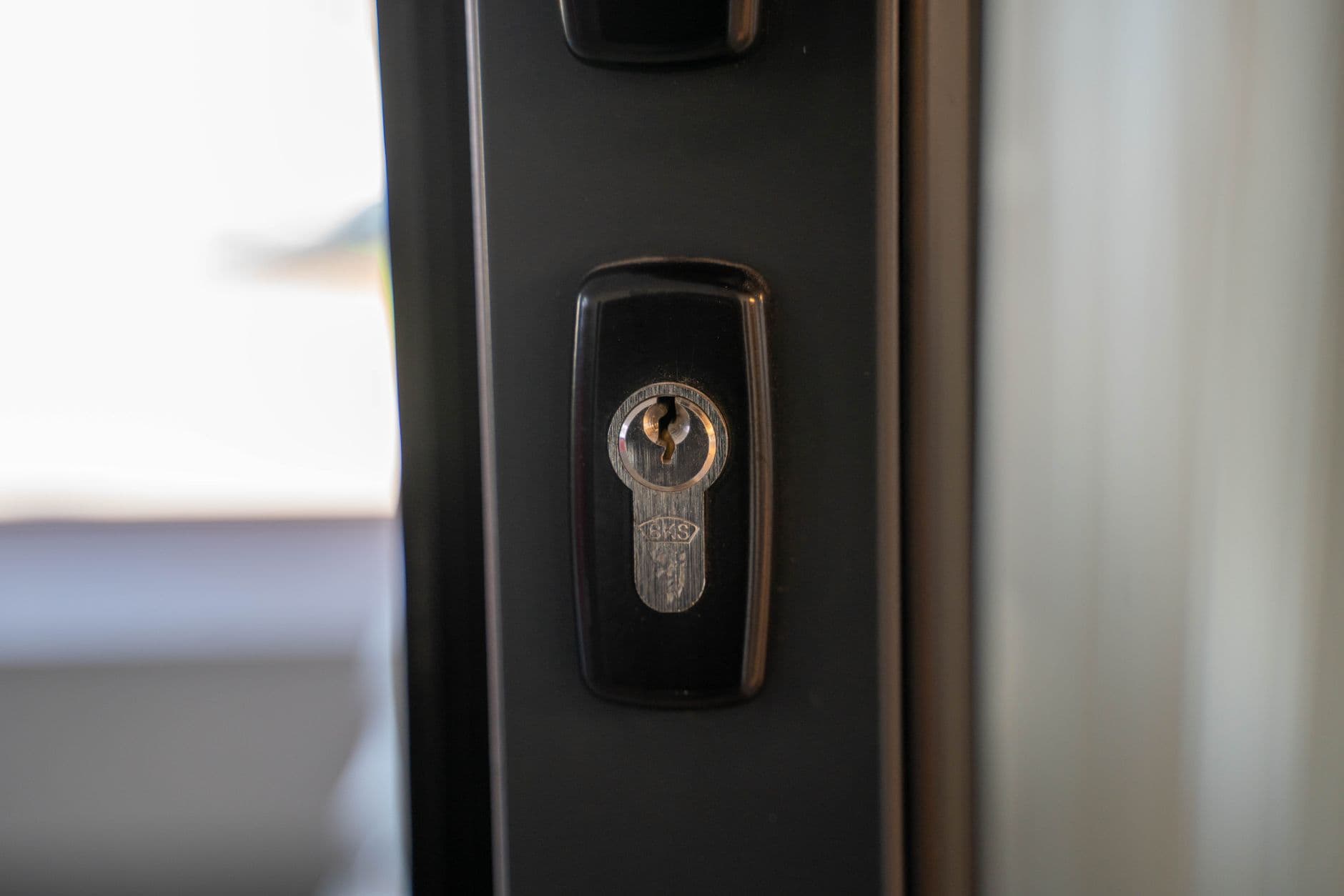
Key control is part of security
The mechanical puzzle is only half the story. Restricted keyways and patented key control are just as important, because a lock is also a distribution system for keys and blanks. If unauthorized blank access is blocked, the lock becomes harder to bypass through improvised duplication, which is a different kind of security than pin complexity but just as real.
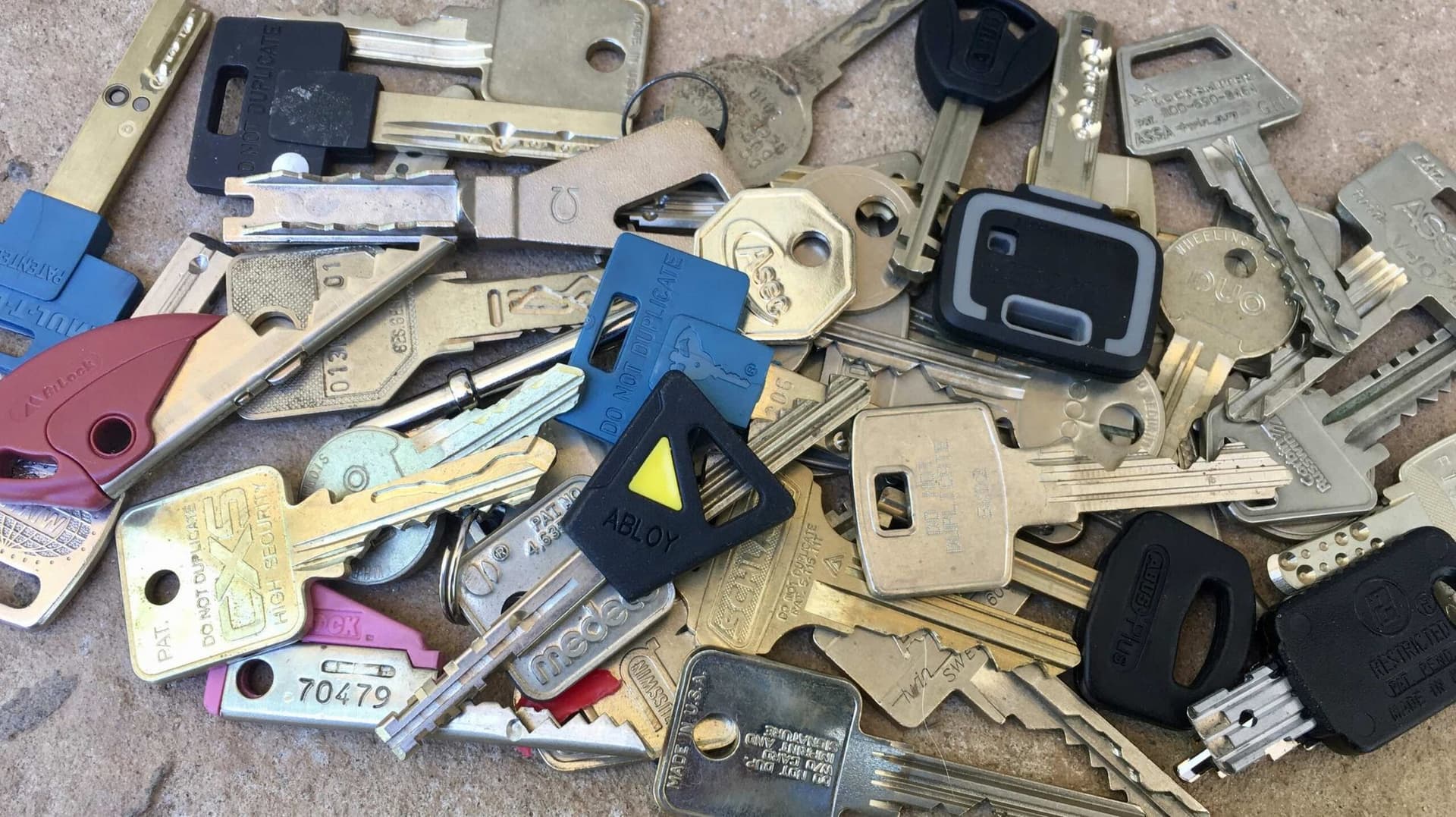
Schlage’s Primus blanks and keyways are slightly thinner to prevent non-Primus keys from entering, and its restricted-product portal is built to manage authorization for restricted product orders and review order authorization history. A July 2002 Schlage Answer Book also referenced Primus patent numbers 5,809,816 and 5,715,717, a reminder that patented key control has been part of the conversation for decades. Schlage says Primus RP cylinders carry patent protection to 2029, and its Classic Obverse keyway family can be upgraded to Primus levels of patented, restricted key control and physical security.
Patents help define who can make, sell, and duplicate the system’s keys and blanks. Schlage’s key systems include conventional, full-size interchangeable-core, and small-format interchangeable-core formats. Schlage also describes its patented Everest 29 S and T keyways as part of the high-security tier.
Ratings, standards, and what the labels actually mean
High-security labels can be confusing if you treat every certification as the same thing. Underwriters Laboratories’ UL 437 is a security rating for keyed locks, locking cylinders, security container key locks, and two-key locks, but it does not itself define the U.S. standard for a high security lock.
The broader standards picture is clearer in ANSI/BHMA A156.30-2025. It is the American National Standard for High Security Cylinders and includes security-performance-based requirements for both mechanical and electronic products.
Where these systems show up
High-security cylinders are not confined to one format or one niche style of hardware. Schlage’s systems appear in conventional, full-size interchangeable-core, and small-format interchangeable-core formats, while ASSA markets high-security padlocks and cylinders as patented, robust, and sophisticated key systems.
A sidebar in a mortise cylinder, a restricted keyway in an IC core, or a high-security padlock with patented control each changes the picking problem.
This article was produced by Prism’s automated news system from verified source data, official records, and press releases, then run through automated quality and moderation checks before publishing. The system is built and supervised by the people who set the standards it runs under. Read our full AI policy.
Did this article answer your question?