How to spot false sets from serrated pins in lockpicking
Serrated pins are built to lie, and the trick is learning which clicks mean progress and which ones only mean you changed the conversation inside the lock.

A serrated pin can catch at the shear line and give you the exact sensation that used to mean progress on simpler cores. In practice, that moment is a diagnostic: the lock has changed state, but not always in the way you want, and the next move is to read the feedback before you chase it.
When the click is real, and when it is bait
Security pins are modified driver or key pins in a pin-tumbler lock designed to make manipulation harder, resisting lockpicking, decoding, impressioning, and bumping. Serrated pins are one of the most common versions, and they are exactly the kind of hardware that turns a convincing click into a false set.
Familiar padlocks like the American Lock 30 and the American Lock 5200 make that problem obvious. The 30 uses serrated security pins on both the key pins and driver pins, while the 5200 uses five or six pin chambers and relies heavily on security pin designs, with serrated security pins the most popular type in that model. If you have been comfortable on entry-level practice locks, these are the models that force you to stop treating every sound as proof.
Why serrated pins feel so convincing
A serrated pin may feel or sound like a set even when the pin is not actually set. A Lock Picking 101 forum guide puts that plainly: the serration can “catch” on the shear line and feel or sound like a set even when the pin is not actually set. You hear a click, the plug shifts, and your hands want to move on before the lock has actually told you the truth.
Security pins and other anti-picking modifications were created specifically to frustrate manipulation, and the pin-tumbler design itself has remained virtually unchanged since the Yale family’s contributions.
Start with tension, not force
Tension is a fundamental principle of lockpicking because it exploits tolerance errors and binding in pin-tumbler locks. That is the foundation of the whole troubleshooting sequence: if the tension is wrong, the feedback is wrong, and every click you get is less reliable. Light, controlled tension lets the lock talk; heavy tension makes it mumble or go silent.
When a serrated pin is in play, too much force can overset pins and flatten out the information you need. The fix is not to muscle through the cylinder. Back off until the plug can still move in tiny increments, then rebuild the pick based on what the core tells you next.
Use the plug movement as your first clue
The first question after a click is not “Did I get it?” It is “What did the plug do?” A genuine set usually comes with a clean, stable change in plug position, while a serrated pin may produce a partial turn or a promising shift that still leaves other pins active. If the core moved but nothing feels settled, treat that as a sign to pause, not to celebrate.
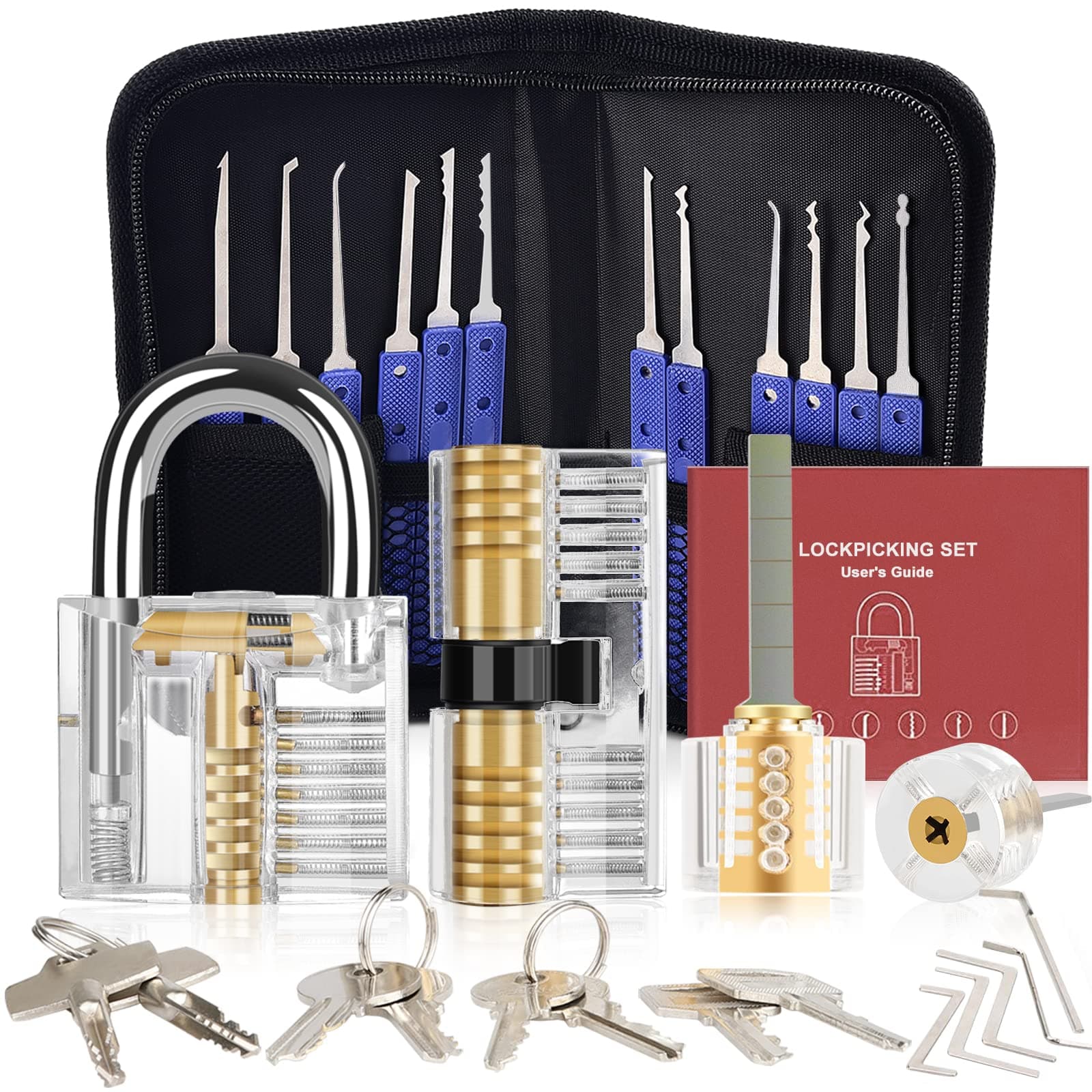
Watch for how the plug settles under tension. If you are still getting movement, the lock is still giving you information, which means you are not done diagnosing it. This is the point where a lot of false sets fool pickers who are moving too fast: the plug looks relaxed, but one or more pins are still hanging on the serration rather than sitting cleanly at the shear line.
Read counter-rotation before you chase the next click
Counter-rotation is one of the best tells that a pin is actually working against you and not merely sounding set. When you lift against a serrated pin, the tensioner often gives you a small opposing movement as the stack tries to resolve itself. That movement matters more than the click itself, because it tells you whether the pin is binding, settling, or just snagging on a serration.
If you feel counter-rotation, do not rush to jack the pin higher. Ease tension slightly, then re-evaluate the pin stack in that chamber.
Use the jiggle test to confirm what the click meant
The jiggle test is the clearest way to separate a true set from a convincing impostor. After you think a pin is set, give it the slightest movement under tension and see whether it still has travel left. If it does, it was not fully home.
That tiny test matters because serrated pins can fool your ear more easily than your fingertips. A pin that is truly set will feel different from one that is merely caught on a serration, and the jiggle test helps expose that difference before you commit to the wrong diagnosis.
A practical sequence for the next pick
When you hit a suspected false set, work the lock in the same order every time:
1. Keep the tension light and controlled.
2. Note whether the plug moved cleanly or only shifted under pressure.
3. Check for counter-rotation as you test the binding pin.
4. Jiggle the pin to see whether it still has travel left.
5. Adjust tension before you raise anything further.
This article was produced by Prism’s automated news system from verified source data, official records, and press releases, then run through automated quality and moderation checks before publishing. The system is built and supervised by the people who set the standards it runs under. Read our full AI policy.
Did this article answer your question?