Lockpick Pros guide says grip mistakes ruin lock feedback
The fastest upgrade is not a new pick set but a grip that lets the lock speak back. Once you stop choking the tool, pin movement and tension cues get much clearer.
A pick set can look fine on the table and still feel dead in the hand. Lockpick Pros makes the case that the real problem is often not the lock or the steel, but the grip that cuts off the feedback you need to read the pin stack, sense counter-rotation, and control tension with any consistency.
Grip is a feedback problem first
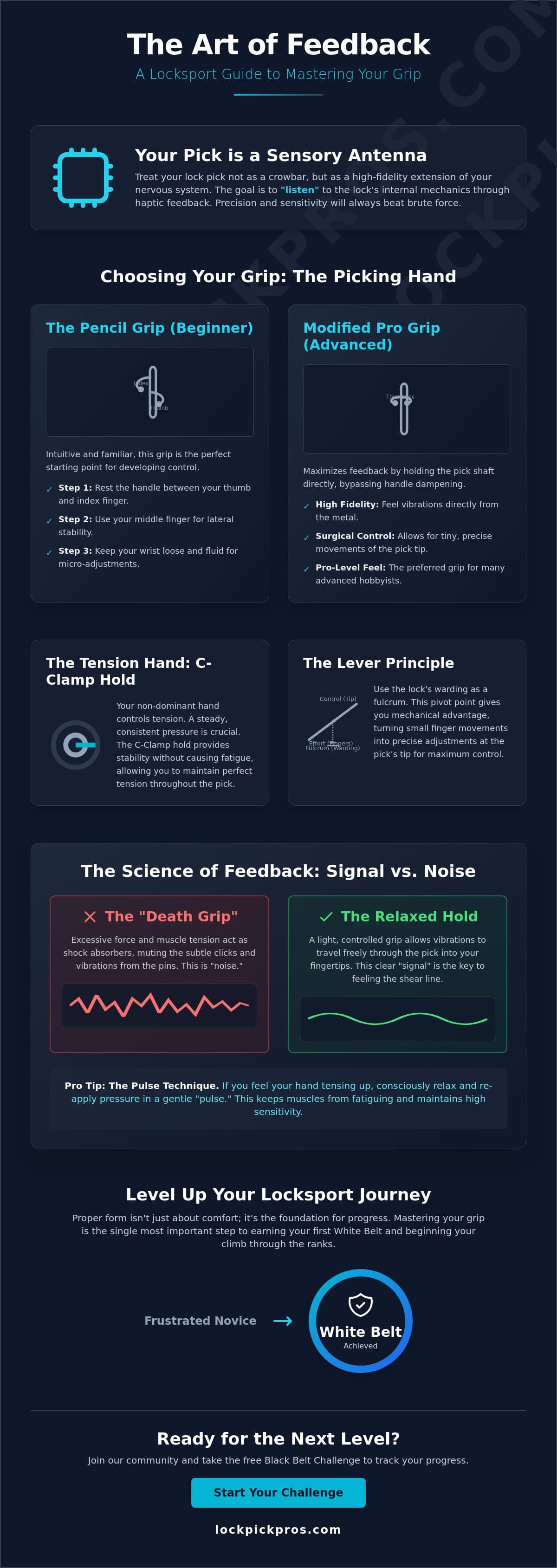
The guide treats the pick as a sensory tool, not a pry bar. That matters because the whole point of locksport is to feel what the cylinder is doing, then respond with a light enough touch that the lock keeps talking instead of shutting down. When your hand is too tense, you lose the tiny clues that separate a clean false set from a dead end, and a lot of newcomers end up blaming the pick set or the lock itself.
That is why the article frames ergonomics as a skill milestone rather than an afterthought. A better hand position does more than reduce fatigue and bending in the tool. It also keeps you from overcorrecting, which is a fast way to turn subtle feedback into noise and make a workable lock feel impossible.
The grips that preserve what you can feel
Lockpick Pros breaks the hand position question into a few practical holds, each aimed at preserving tactile information while keeping the tool steady. The standard pencil-style hold is the most familiar, but the point is not style for style’s sake. It is about getting the pick into a position where your fingers can stay relaxed and your wrist is not fighting the lock.
The guide also points readers toward a modified professional grip and a C-clamp approach for stabilizing tension. Those choices matter because tension is where so much of the lock's message lives. If your grip makes it hard to stay controlled, you are more likely to bury the feedback under brute force.
- Standard pencil-style hold: useful when you need a familiar, relaxed starting point and want the pick to feel like an extension of the fingers.
- Modified professional grip: aimed at keeping the hand settled while preserving sensitivity through the pick and tension wrench.
- C-clamp approach: helps stabilize tension when steadier control matters more than speed.
The warning that stands out most is the one about the death grip. Lockpick Pros is blunt here: too much force smothers the tactile information you are trying to detect in the first place. That is exactly why the article’s emphasis on the pulse technique and a relaxed pick lands as a lesson in calibration, not aggression.
Why beginners misread the lock
A lot of new pickers assume they need a more advanced lock, a better brand of pick, or some secret technique that only experienced hands know. The guide pushes back on that habit hard. More often, the real issue is that the hands are too tense to interpret the clues the cylinder is already giving.
That insight fits neatly with the broader locksport idea that progress comes from listening to the lock, not muscling it open. If you cannot feel pin movement cleanly, you will also struggle to recognize a false set or stay patient through a long session. In practice, a calmer grip shortens the path from tentative probing to deliberate work.
The old training texts say the same thing
This is not a new lesson, just one that still gets overlooked. The MIT Guide to Lock Picking says the craft depends on analyzing the feedback coming from the lock, and its exercises include work on picking pressure and torque. It also describes lockpicking as a craft and says pickers have to develop a style that fits them personally, which is another way of saying there is no substitute for learning how your own hand translates the lock's signals.
Deviant Ollam’s training materials carry the same message. The hard part is not simply lifting pins. It is using the right amount of tension and reading what the lock tells you while you work. BosnianBill’s LockLab says the same thing in a different register: the best pickers use different techniques depending on the feedback they receive and how the lock reacts to the attack.
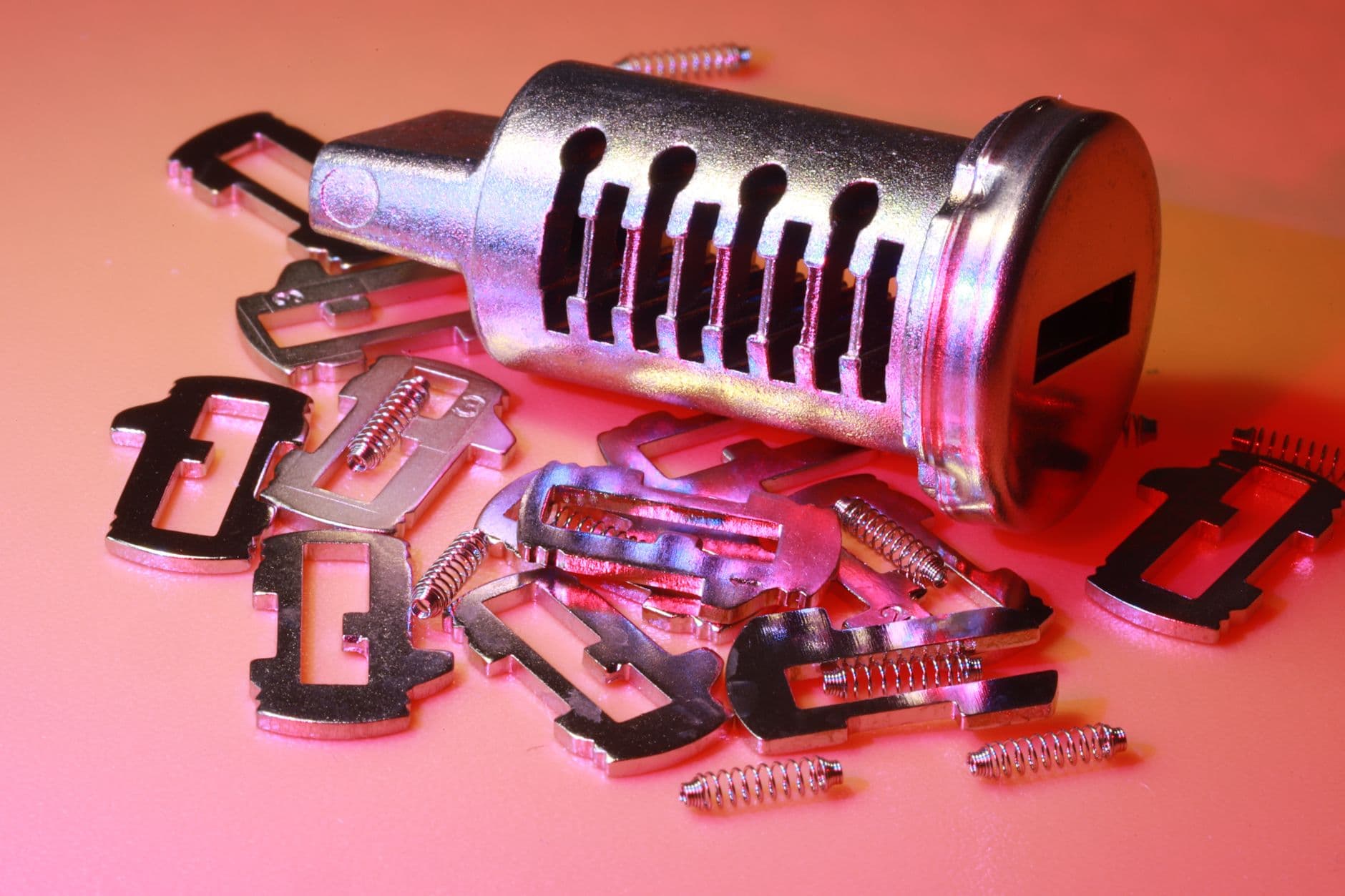
LockLab’s course material pushes that point further by telling learners to keep a mental map and pay close attention to pin feedback. Even the phrase “the dead core” shows up as a forgiving element that helps students feel what is happening without getting lost in tension panic. Taken together, these lessons make the same argument Lockpick Pros is making: touch is not optional, it is the job.
Why the community keeps returning to technique
Locksports history helps explain why a grip tutorial matters so much. Toool, the Open Organisation Of Lockpickers, describes itself as a growing group of enthusiasts interested in locks, keys, and opening locks without keys. It also says Toool Netherlands is the oldest lockpicking sports club in the world after the German SSD e.V., and that LockCon, its international conference about locks, dates back to before the turn of the century.
That kind of continuity matters because this community has always treated technique as cumulative. Pickers, manufacturers, designers, and collectors all meet in the same ecosystem, which means small changes in ergonomics can affect how people teach, compete, and test security. A grip that improves feedback is not just more comfortable. It changes how much of the lock’s story you can actually hear.
Technique is measurable, not mystical
The most interesting thing about the wider locksport conversation is that it has also tried to quantify what good hands are doing. Toool’s Blackbag has discussed measuring how much torque is required to pick a lock, with the goal of improving both tools and instruction. That makes Lockpick Pros’ grip advice feel less like a comfort tip and more like part of the actual mechanics of the craft.
Once you put all of this together, the takeaway is clear. If the pick feels useless, the first thing to question is not the steel in your kit but the way your hand is silencing the lock. Get the grip right, and the lock stops feeling like a wall and starts behaving like a conversation.
This article was produced by Prism’s automated news system from verified source data, official records, and press releases, then run through automated quality and moderation checks before publishing. The system is built and supervised by the people who set the standards it runs under. Read our full AI policy.
Did this article answer your question?