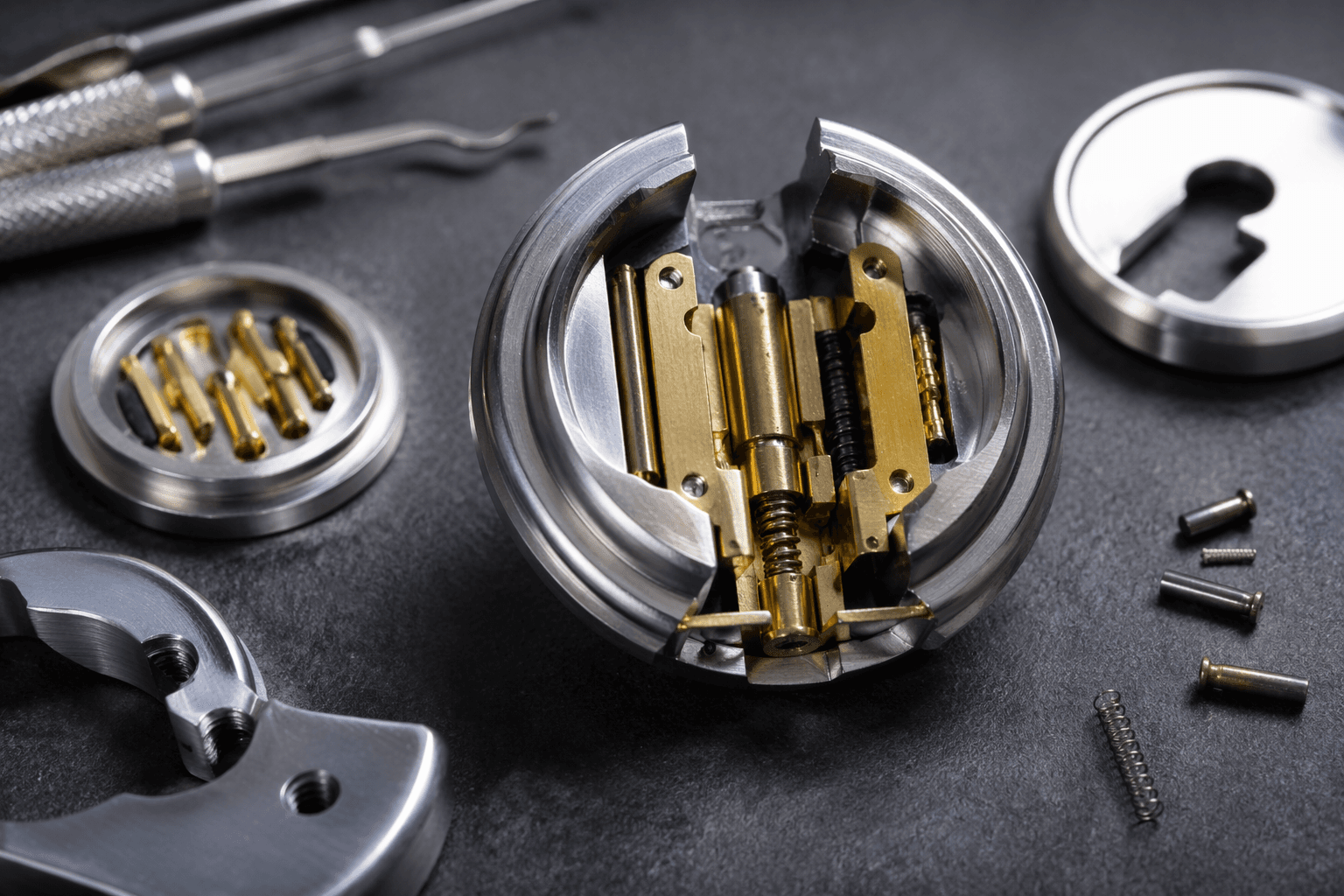
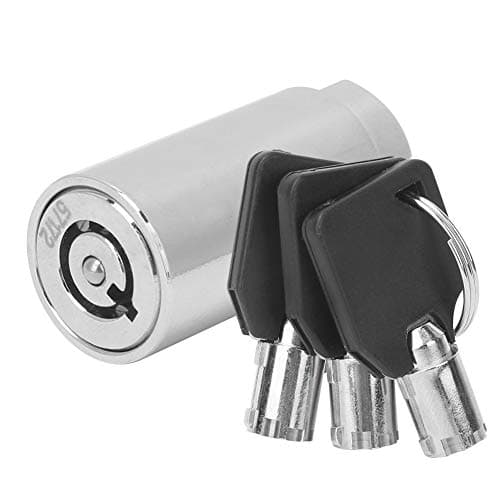
Lockpick Pros says bypass tools are core to modern lock work
Bypass tools are moving from clever shortcuts to core lock work, and that shift changes how both locksmiths and locksport read a lock.
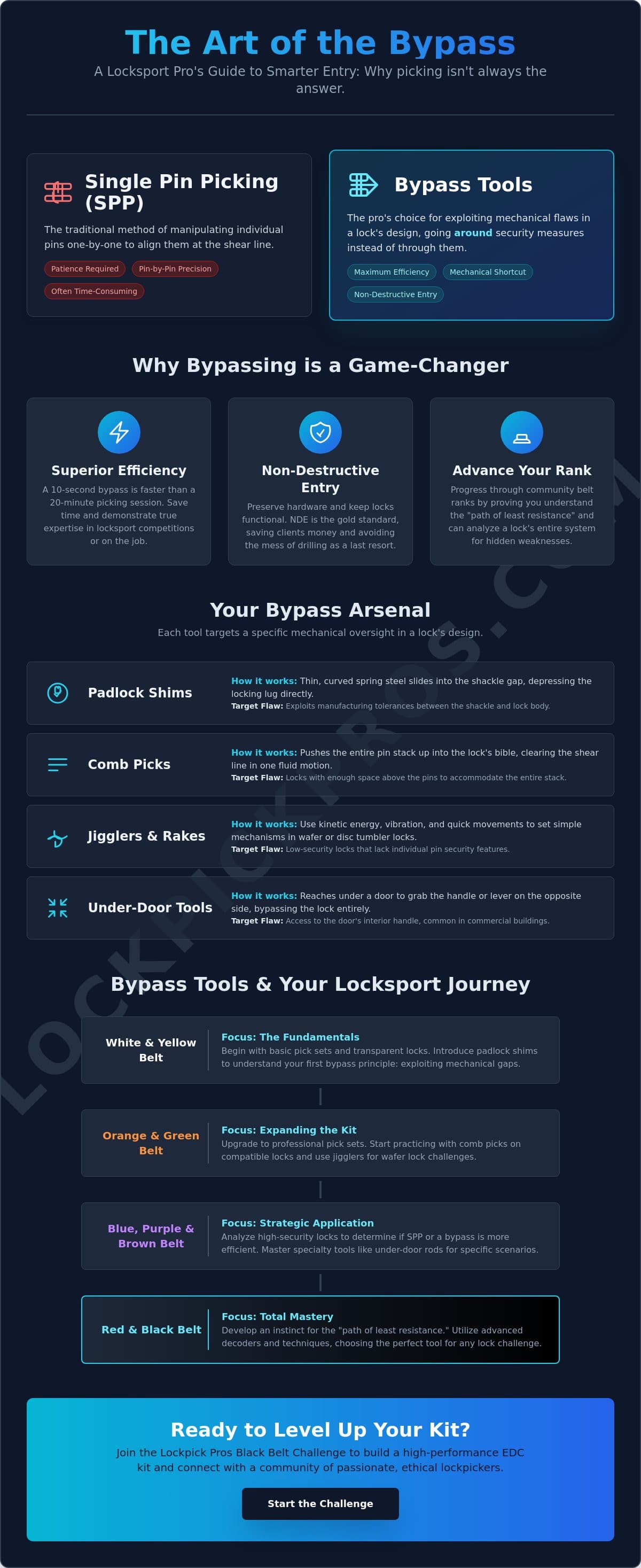
By bypassing a lock instead of fighting it head-on, Lockpick Pros is pushing a bigger idea: the cleanest opening is often the fastest one. The new guide treats non-destructive entry as a core part of modern lock work, not a niche trick, and it argues that mastery starts with the path of least resistance.
Bypass is no longer the side quest
The page frames bypassing as a deliberate skill ladder, one that sits alongside the usual pick-and-tensioner toolkit but solves a different problem. Picks work the pin stack; bypass tools look for the lock’s weak interface, whether that is latch geometry, an access point, or another design gap that can be exploited without ever touching the pins.
That distinction matters because it changes how the job is judged. In the guide’s framing, a practitioner is not just trying to “beat” a lock, but trying to open a system in the least invasive way possible. That mindset fits both locksmith work and the modern locksport scene, where clean technique and understanding of mechanism matter as much as speed.
What bypass tools are actually doing
The tool family the guide points toward is broad, and that breadth is part of the lesson. Shims, latch slips, under-door tools, decoder-style devices, and other specialty profiles all live in the same ecosystem because different locks expose different weaknesses. A bypass set is less about one magic gadget and more about selecting the right profile for the hardware in front of you.
That is where the method becomes practical. If a lock can be opened quickly without drilling, cutting, or breaking the customer’s hardware, the result is faster, cheaper, and far less invasive. For locksmiths, that is obvious business value. For hobbyists, it is a reminder that the lock body, the door, the latch, and the access path all matter just as much as the cylinder.

Why bypass can beat traditional picking
Traditional picking is still essential, but the guide makes the case that it is not always the best first move. If bypass can save time and avoid damage, it often wins on efficiency alone. That is especially true when the lock presents a clean mechanical weakness that does not require a full pin-by-pin contest.
The bigger takeaway is that bypassing exposes the real-world limits of lock design. A strong-looking lock can still have a weak interface, and the failure point may sit in the gap between components rather than in the pin stack itself. That is a useful correction for anyone who has spent too long thinking only in terms of keyway resistance, because the lock is rarely just a cylinder in isolation.
What this says about lock vulnerabilities
The guide’s philosophy is blunt: mechanical security is a system, and systems fail where parts meet. That means the smartest entry strategy is not always the most technical-looking one. Sometimes the fastest solution is simply the one that respects the lock’s layout and finds the point where the door, latch, or access channel gives up first.
For locksport, that is a meaningful shift in mindset. Bypass practice trains you to spot interfaces, not just pins. It teaches you that a lock may feel secure from the front while leaving another route exposed, and that lesson carries over into every serious evaluation of hardware.
Belt ranks, skill progression, and the hobby’s new baseline
One of the most interesting signals in the guide is its language about advancing a belt rank. That framing suggests bypass knowledge is being treated as part of a broader progression, not just as a tradesman’s shortcut or a trick reserved for rare circumstances. In other words, modern lock work is being defined by more than cylinder manipulation alone.
That matters in 2026 because the bar for advanced practice keeps rising. A serious practitioner is expected to understand pin-tumbler fundamentals, but also the doors, cylinders, latches, and other surrounding parts that determine whether a lock truly holds. Bypass knowledge fits that reality naturally, because it rewards anyone who studies the whole opening system instead of focusing only on the keyway.
How to think about bypass in practice
The guide’s core lesson is not that bypass replaces picking. It is that bypass belongs in the same decision tree, and sometimes it should be the first branch you examine. The more you understand about latch behavior, access points, and hardware geometry, the easier it becomes to choose the least destructive option before you ever reach for a pick.
- Start by identifying whether the lock offers a side channel, latch access, or another opening path.
- Match the tool to the hardware, since shims, under-door tools, and decoder-style devices solve different problems.
- Think in terms of opening the system cleanly, not proving a point against the pin stack.
- Treat speed, damage avoidance, and reliability as part of the same equation.
That is why the guide lands as more than a product pitch. It reads like a statement about where the craft is headed, with bypass tools no longer sitting at the edge of the toolbox but at its center. In the modern view, the smartest opening is often the one that never needed a fight in the first place.
This article was produced by Prism’s automated news system from verified source data, official records, and press releases, then run through automated quality and moderation checks before publishing. The system is built and supervised by the people who set the standards it runs under. Read our full AI policy.
Did this article answer your question?