Lockpicking basics: learn the lock parts every beginner needs
Clear lock names save practice time: once you can identify the plug, shear line, and bible, forum advice and picking feedback finally make sense.
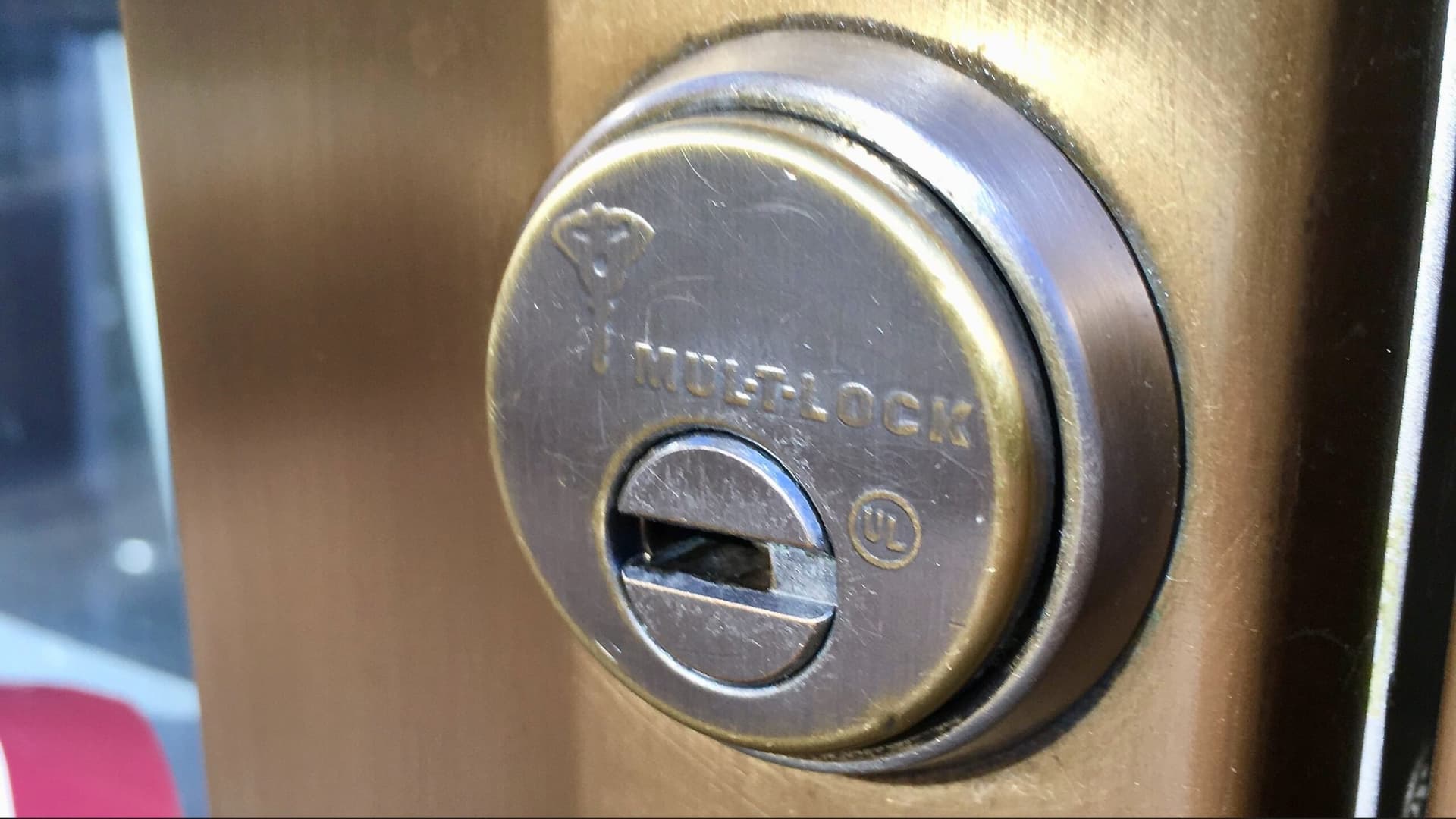
One picker says the lock is stuck in the front, another means the plug is binding, and a third is talking about the keyway while actually pointing at the bible. When the same cylinder gets mislabeled three different ways, advice turns vague, troubleshooting drags, and you burn time chasing the wrong problem.
Why the right terms matter
The modern pin-tumbler cylinder lock sits at the center of that language. Linus Yale Jr., born in Salisbury, New York, on April 4, 1821, invented the modern pin-tumbler cylinder lock. Lemelson-MIT credits him with the invention, and Yale’s own history places his four-pin-tumbler cylinder design in 1865. Yale patent number 48,475 is dated June 27, 1865.
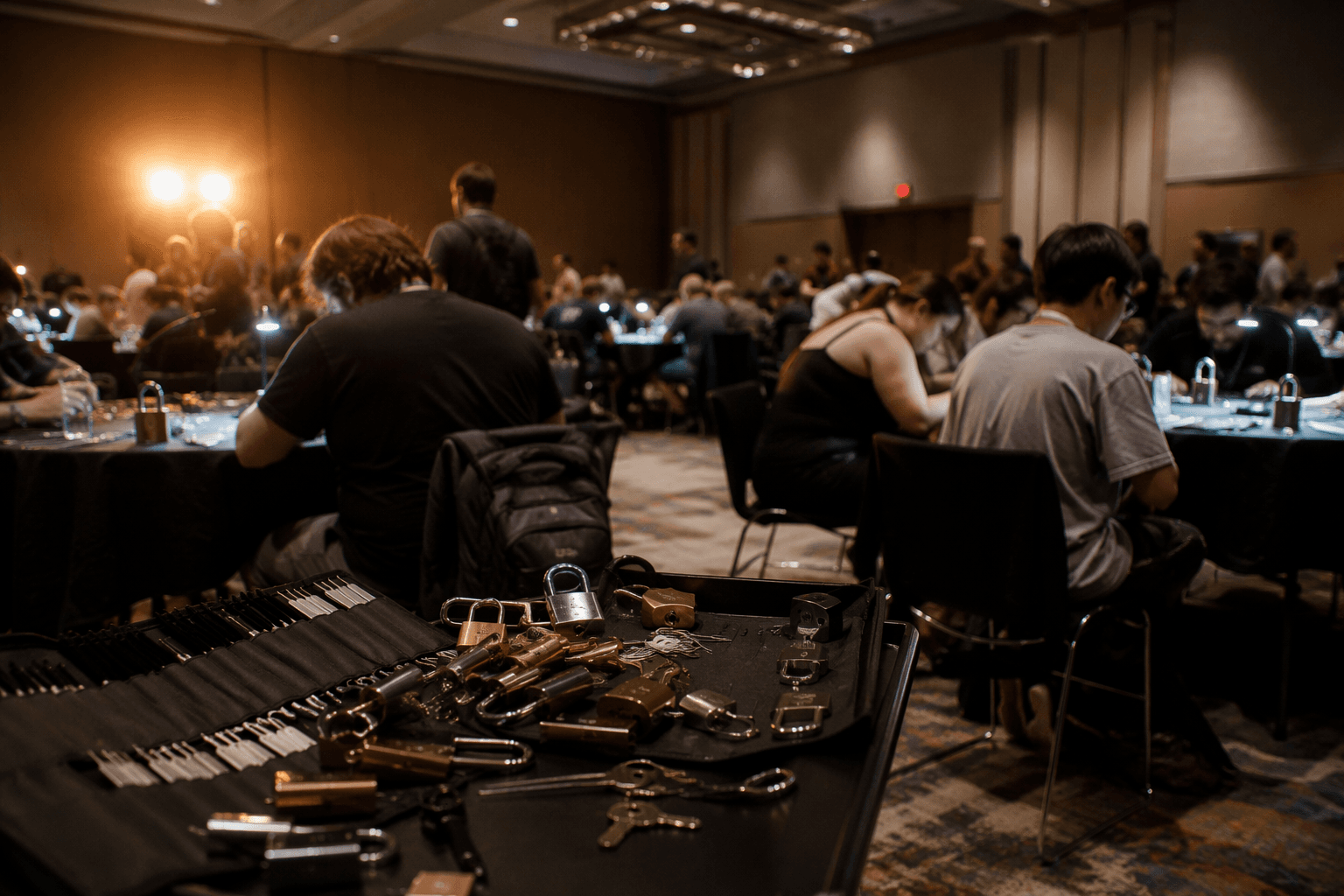
Locksport is a hobby centered on picking locks, understanding lock mechanisms, and competing in contests and conventions. The same words have to work in tutorials, challenge-lock discussions, meetups, and recorded demos. Wikipedia uses the term locksport for that hobby, and the Locksport Network presents itself as a definitive directory for locksport and lockpicking resources.
Start with the cylinder anatomy
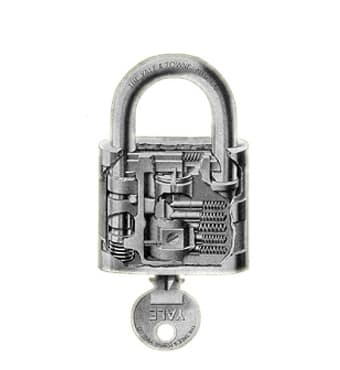
The first terms every beginner needs are the parts of the cylinder itself. The plug is the rotating inner core, while the shell, sometimes called the housing, is the fixed outer body. The keyway is the shaped channel where the key enters, and the shear line is the interface that has to clear before the plug can turn.
Inside that cylinder are the pin chambers, driver pins, key pins, springs, and the bible. The pin stacks are what make the lock respond to the correct key, because each stack has to align at the shear line for rotation to happen. The bible is the upper portion of the cylinder body that houses the springs and driver pins, and that detail matters when you are repinning a practice lock or reading a cutaway, because the direction of movement and the geometry of each part determine what you feel through the tool.
When you can name those parts, you can describe a lock accurately instead of vaguely. A practice lock with a wide keyway behaves differently from a tighter one, and a cutaway makes more sense when you already know where the plug ends and the shell begins. That is the difference between saying “this feels weird” and saying “the plug is rotating but the shear line is not fully clearing.”
Learn the language of feedback
Once you know the anatomy, the next step is learning the words for what your hands feel. When a picker says a pin is binding, they mean one pin stack is under more mechanical pressure than the others and is likely the next one to set. That term is useful because it points you to a specific action instead of asking you to guess at random inside the keyway.
False set is another term that saves a lot of confusion. It describes a state in which the plug has rotated just enough to create the impression of progress, but a security feature still prevents full opening. If you hear that phrase in a video or forum thread, you know the lock is not open yet, even though the feedback sounds promising.
That kind of precision pays off in note-taking too. If you can write down which pin bound first, how far the plug moved, and whether you hit a false set, you can compare two locks instead of remembering only that one felt “spongy” and the other “clicky.”
Security pins change the conversation
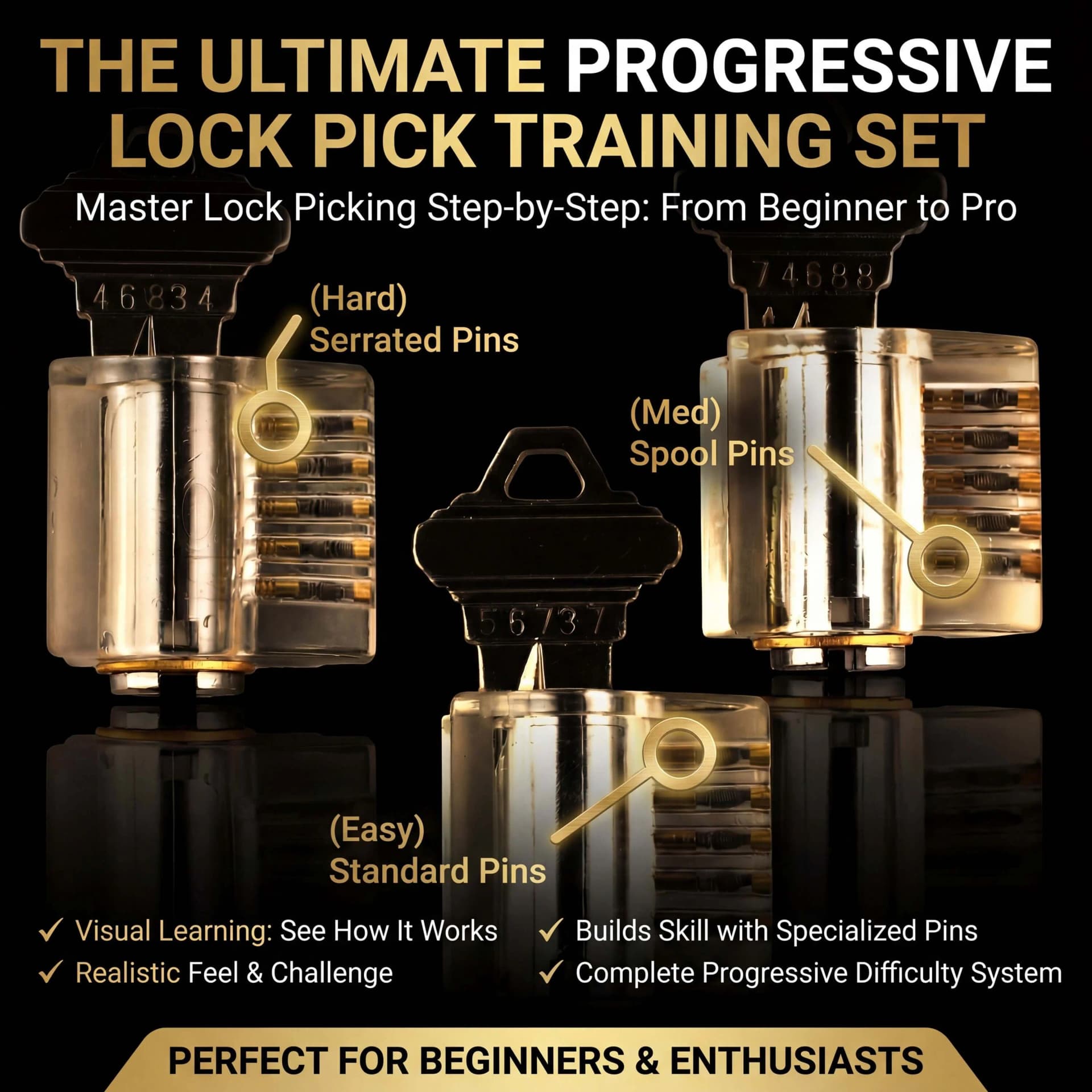
Advanced discussion gets even clearer once you understand security pins. BosnianBill’s LockLab and Lockwiki both treat security pins as modified pins: BosnianBill’s LockLab focuses on modified driver pins that may include grooves, angled cuts, varying diameters, or rounded parts, while Lockwiki includes modified driver or key pins used to make manipulation more difficult.
Security pins are designed to complicate picking. Lockwiki includes lockpicking, decoding, impressioning, and key bumping among the attacks they are meant to resist. In practice, that means the feedback you feel through the tension wrench and pick is telling you more than just “there is resistance,” because different pin shapes transmit different sensations as they interact with the shear line.
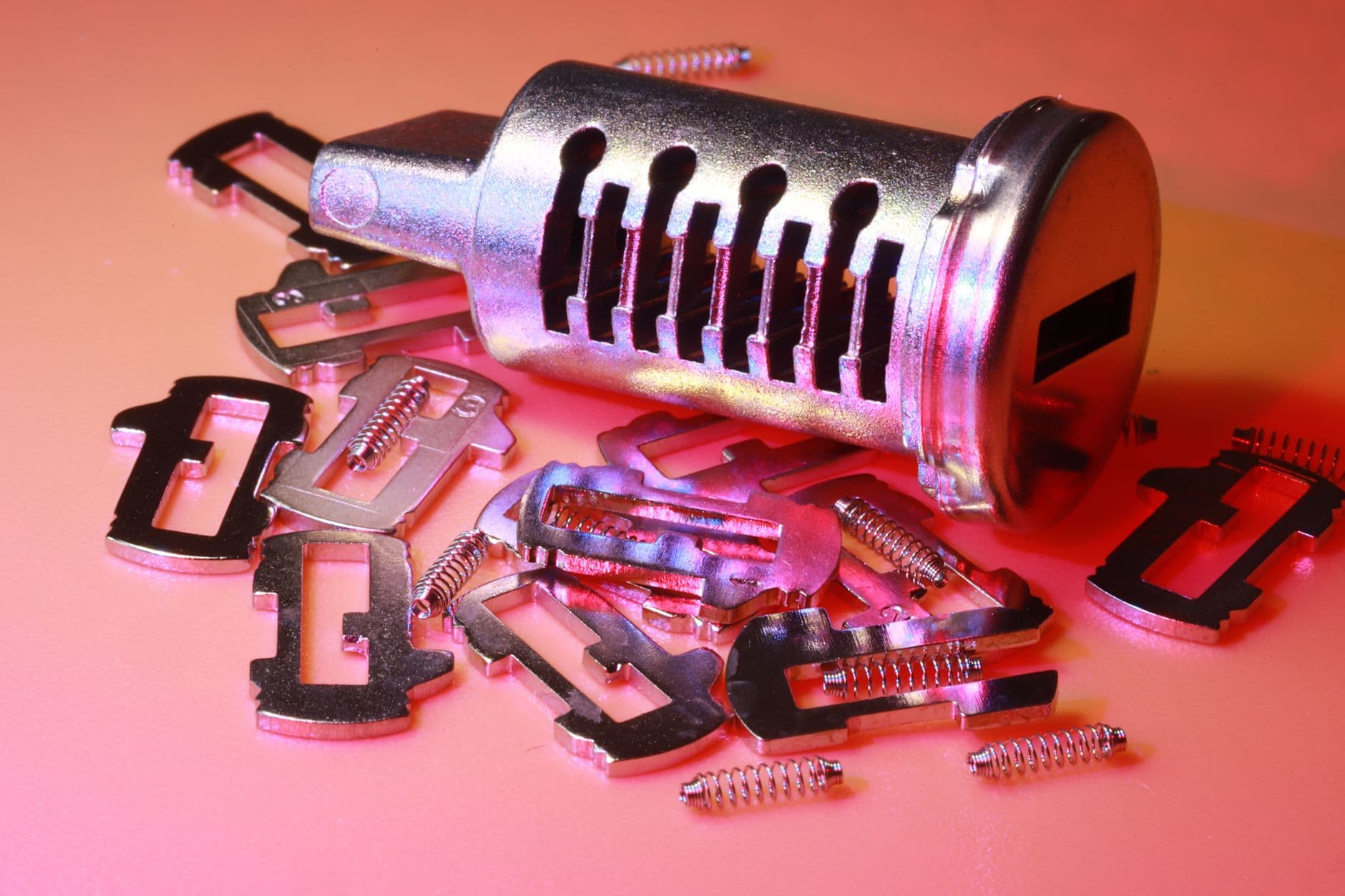
If you know the vocabulary, you can discuss why a lock feels the way it does instead of describing every difficult cylinder as “picky.” You can separate ordinary binding from security-pin behavior, and you can follow advanced talk about modified driver pins without getting lost in shorthand that assumes everyone already knows the terms.
Different lock families still use different words
The same internal principles do not make every lock the same. A euro cylinder, a rim cylinder, an interchangeable core, and a padlock are not interchangeable in the way you pick, even when they share pin-tumbler mechanics. The physical package changes how tension is applied, how the core is retained, and what kinds of tools fit the keyway.
That distinction is useful the moment you move beyond a single practice lock. A tensioning method that feels natural on one cylinder may not translate cleanly to another because the retaining hardware and body shape are different. Naming the lock family correctly keeps you from giving or following advice that only works on one format.
Why this vocabulary keeps showing up in the community
Whether you are comparing challenge locks, watching a teardown video, or talking through a problem at a meet, the same handful of terms keeps coming up: plug, shell, keyway, shear line, bible, pin stack, binding, and false set.
When the community uses the same terms for the same parts, you waste less time correcting language and more time understanding what a lock is doing. The result is cleaner troubleshooting, better practice notes, and fewer conversations where everyone is talking about a different piece of the cylinder.
This article was produced by Prism’s automated news system from verified source data, official records, and press releases, then run through automated quality and moderation checks before publishing. The system is built and supervised by the people who set the standards it runs under. Read our full AI policy.
Did this article answer your question?