Locksmiths chase recurring revenue with cloud access control tools
Cloud access control is turning locksmithing into a subscription game, and the tools are built to make that shift feel less like a leap and more like a workflow.
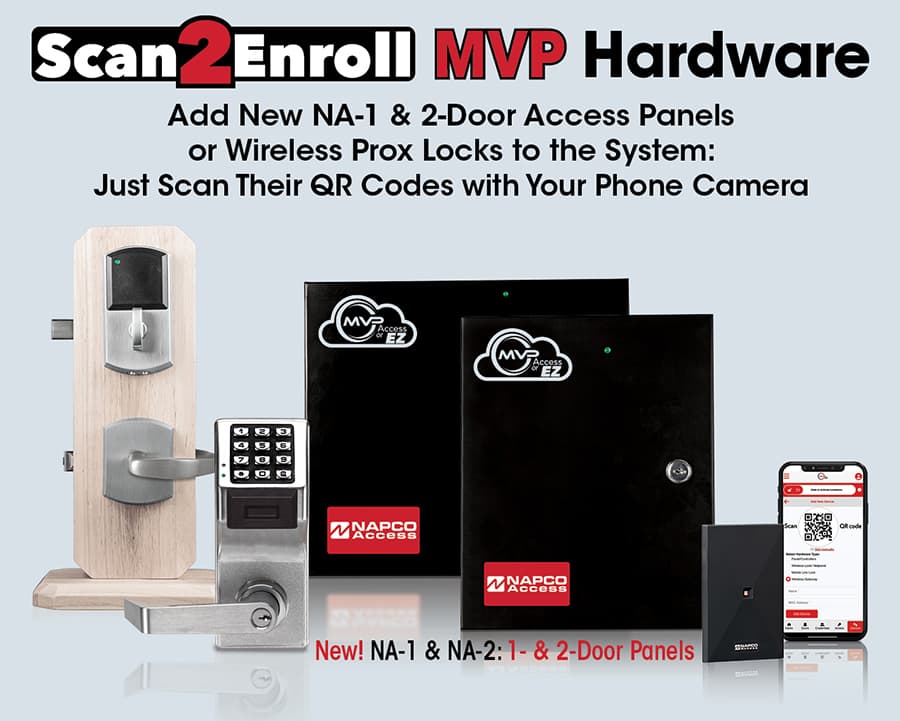
If you still think of locksmithing as a trade built only on one-time calls, this story shows where the money is moving. The pitch around MVP EZ and Scan2Enroll is not just about faster installs, it is about turning access control into a recurring service that a smaller shop can actually sell, support, and keep billing.
Recurring revenue is becoming the real product
The center of the story is a business-model change, not a shiny hardware demo. Napco Security Technologies frames MVP as a cloud-hosted access platform built to help dealers and integrators win more business, generate recurring monthly revenue, and deliver a better customer experience. That matters because the old locksmith mix, emergency lockouts, rekeys, keying charts, and mechanical hardware swaps, still exists, but it no longer has to be the only lane.
Recurring monthly revenue, or RMR, is attractive because it smooths out the stop-start nature of service work. Security Sales & Integration has described that revenue as coming from monitoring, cloud-based services, video verification, and inspections, not just alarm installs. In locksmith terms, that means the value is shifting from a single door opening or install to the ongoing management of credentials, devices, and permissions after the hardware is already on the wall.
Why MVP EZ is aimed at locksmiths, not just access-control specialists
The sponsored Locksmith Ledger video makes a pretty plain argument: locksmiths do not need to surrender access control to the alarm guys or big integrators. Its framing is that monthly revenue is no longer just for alarm dealers, and MVP EZ is designed with locksmiths in mind so they can step into cloud-managed access without the usual complexity.
That is the key selling point for the trade. Smaller shops often know the mechanical side cold, but cloud access control can feel like a different profession because of programming, networking, and software handoffs. The appeal of MVP EZ is that it tries to compress that learning curve so a locksmith can add panels and wireless locks quickly, reduce install friction, and offer a managed service instead of a one-and-done job.
The workflow is built around speed
The technical promise is simple enough to understand even if you are more comfortable with tumblers than dashboards. Napco says the MVP EZ App lets installers add and manage Trilogy Networx locks, gateways, and panels by scanning QR codes with a smartphone camera. Alarm Lock Systems says the app lets you create, configure, and control a remotely managed access control system by scanning QR codes with your phone’s camera, with no complicated programming or computers required.
That ease-of-use claim is the whole game. Security Systems News reported that Scan2Enroll can instantly enroll a device by scanning a QR code with a smartphone camera, which fits the same theme: fewer setup steps, fewer bottlenecks, and less need to bring a laptop, a long commissioning session, or a specialized access-control programmer to every site. For a locksmith trying to move from labor-only jobs into service contracts, that kind of workflow is what makes subscription-style work feel reachable.
The pricing model tells you where the real margin is supposed to come from
Napco’s business structure is as important as the app itself. The company says MVP uses flat-rate per-door pricing and no annual service contract. That is a deliberate go-to-market move because it lowers the friction for dealers who want to quote access control without making the customer feel trapped in a long agreement.
For the shop, the logic is straightforward: sell the door, then keep the account through ongoing management, support, and expansion. Earlier Locksmith Ledger coverage said locksmiths could earn new incremental monthly services revenue from every door with MVP EZ, which is the kind of promise that turns a hardware sale into a longer customer relationship. In other words, the recurring part is not an add-on. It is the point.
The NA-Series and cloud platform strategy show this is bigger than one app
The broader product story matters because it shows Napco is not treating this as a side feature. Security Systems News reported that Napco’s NA-Series access panels were built for the MVP Cloud-Based Platform to support predictable recurring monthly revenue and lower total cost of ownership. That suggests the ecosystem is being designed around serviceability, not just initial installation.
For locksmiths, that can change what gets prioritized on the truck and in the shop. The tools that matter most start to become the ones that make onboarding, remote management, and device enrollment easy, because those are the moments that determine whether a client stays in a service relationship or just buys hardware and disappears. The trade starts to reward the technician who understands both the physical lock and the cloud workflow around it.
What this means for mechanical-first locksmiths
This is where the story gets interesting for people who still love purely mechanical work. The shift toward cloud-managed access control does not erase traditional locksmithing, but it does change the value of expertise. A technician who can pick, rekey, and service old-school hardware still has a skill set that matters, but the market is increasingly asking for someone who can also speak in panels, gateways, QR enrollment, and ongoing service plans.
That is why the promotional tone around MVP EZ lands with real force even if you stay skeptical about any vendor pitch. The underlying message is concrete: recurring revenue is no longer the exclusive territory of alarm companies. If access control can be deployed in seconds, as the product messaging claims, then a locksmith shop can package installation, support, and cloud management into one offer instead of chasing only the next emergency call.
The industry has been hinting at this direction for a while, through Locksmith Ledger’s earlier coverage and the wider trade press around RMR. Now the pitch is sharper, and the workflow is easier to explain at the counter. The old lock-and-key craft is not vanishing, but the shops that keep pace are the ones learning how to make the door keep paying after the install is done.
This article was produced by Prism’s automated news system from verified source data, official records, and press releases, then run through automated quality and moderation checks before publishing. The system is built and supervised by the people who set the standards it runs under. Read our full AI policy.
Know something we missed? Have a correction or additional information?
Submit a Tip