Best tools for opening Kwikset and Schlage privacy locks fast
The fastest answer for a Kwikset or Schlage privacy lock is usually a matched emergency-release tool, not a pick set. Use the pinhole, not the hype.
When the lock is a privacy knob or lever, the cleanest fix is usually the least dramatic one: use the release tool the hardware was built for. Bathroom and bedroom lockouts are a different animal from exterior cylinders, and the right emergency-release tool gets you in without chewing up the latch, drilling the door, or turning a simple service call into a repair job.
Start with the hardware, not the hype
The first question is not which tool looks fastest. It is what kind of lock you are actually staring at. Kwikset and Schlage both build privacy hardware with emergency-release holes or pin-based interior mechanisms, which puts these locks in the realm of everyday home and apartment hardware, not high-security cylinders. That matters because the right tool is a compatibility answer first and a speed answer second.
These tools earn their keep in the exact situations property managers, landlords, caregivers, and homeowners run into all the time: a bathroom door that locked behind someone, a bedroom privacy knob that will not budge, or a routine maintenance call where the door needs to open now and stay intact. In those moments, a dedicated release tool beats improvisation because it is designed to act on the lock’s own emergency mechanism.
What Kwikset actually expects you to do
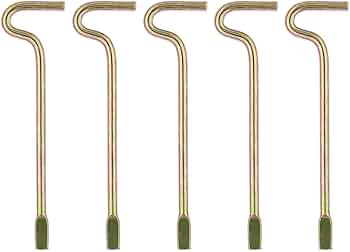
Kwikset’s privacy emergency tool is built for a very specific move. You insert it into the pinhole in the doorknob and push it straight in until it contacts the release button. That straight-in action is the whole game, and it is why generic gadgets often disappoint here: if the tool does not fit the release geometry, it is just a blunt object near a tiny mechanism.
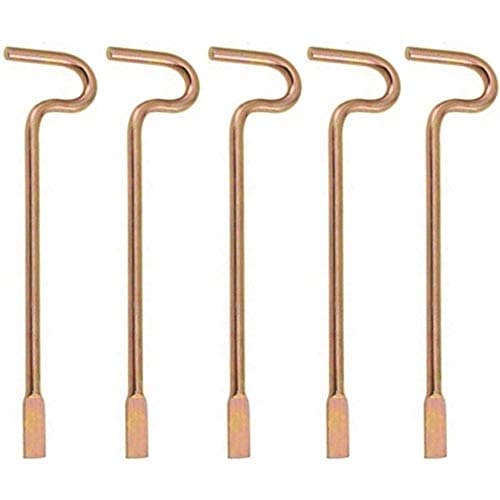
Kwikset also sells its Emergency Release Tool for Privacy Knobs and Levers as a safety and convenience solution for accidental lockouts. The fact that it is offered in a 5-pack says plenty about the intended use case. This is not a universal lock-opening trick, it is a repeatable, brand-specific maintenance tool that makes sense in homes, apartments, and managed properties where the same privacy hardware appears over and over.
Kwikset’s materials also point users to support, including a separate contact number, 1-800-327-5625, which is useful when the exact knob or lever variant is not obvious at a glance. If you are standing in front of a painted-over door with no packaging and no model tag, that support trail is often the fastest route to confirmation.
Schlage’s answer is similar, but the paperwork matters more than people think
Schlage’s interior privacy kit instructions tell a similar story. The emergency unlock tool is used to unlock the privacy lock after the pin has been pushed in. In other words, the mechanism is designed to respond to a narrow, deliberate release action, not brute force. If you already work on interiors, that should sound familiar: these are serviceable, low-drama assemblies when you use the right tool.
Schlage’s support guidance also gets something very real about how these locks end up in the field. A lot of owners do not have the original box or instructions because a builder installed the hardware, or they inherited it from a previous owner. That is the real-world friction point. Half the battle is not the unlock itself, it is figuring out which privacy family you are dealing with so you can pull the right guide and the right tool.
A practical decision tree before you buy anything
If you are deciding whether a dedicated tool is worth it, walk through the lock first. That is the part most people skip.
1. Confirm it is a privacy lock. If you see a pinhole in the knob or lever, or you know it is an interior bathroom or bedroom lock, you are probably in the right category.
If it is a keyed cylinder, a deadbolt, or something meant for exterior security, this is the wrong tool.
2. Match the brand and mechanism. Kwikset and Schlage both use emergency-release approaches, but the fit and feel matter.
A tool that does not seat cleanly in the release hole can waste time or damage the opening.
3. Choose non-destructive access first. These tools exist so you can open the door without forcing the latch or escalating to drilling.
If the lock is behaving oddly, if the pin is not responding, or if the door is binding mechanically, the problem may be beyond a simple emergency release.
4. Buy for the job you actually have. A one-off household lockout may not justify much beyond a basic brand-specific release tool.
If you service multiple units with the same privacy hardware, a small kit makes more sense because the compatibility issue keeps coming back.
The pitfall is believing every “quick entry” tool belongs in the same bucket. A privacy release tool is not a general-purpose bypass device. It is a narrowly designed answer for a narrow kind of interior lock.
Why the standards context matters
There is a reason this category exists at all. ANSI/BHMA A156.2-2022 covers bath locks and other bored lock and latch functions, which is the same territory as a lot of the interior privacy hardware people run into in homes and apartments. The Builders Hardware Manufacturers Association and the American National Standards Institute frame testing around operational, cycle, strength, security, material evaluation, and finish performance, which is a reminder that these locks are judged as building hardware, not as puzzles for improvisation.
The safety logic also shows up in broader building-code thinking. International Code Council provisions for certain doors specify that power loss or fire-alarm activation can automatically unlock electric locks. That is a different category from a bedroom privacy knob, but the principle is similar: in the right context, fast release is a feature, not a flaw. Emergency access is part of responsible hardware design, not a gimmick.
The line between useful and overhyped
This is where the marketing gets ahead of itself. A dedicated privacy release tool is genuinely useful when the lock is the right one, the access is authorized, and the goal is a clean, non-destructive opening. It is not magic, and it is not a substitute for understanding the hardware in front of you.
For lock people, that is the real lesson. The smartest tool choice here is not the flashiest one, it is the one that matches the mechanism, respects the door, and gets the room open without collateral damage. When the knob is a Kwikset or Schlage privacy lock, the fastest path is often the boring one: find the pinhole, use the proper release tool, and let the hardware do what it was designed to do.
This article was produced by Prism’s automated news system from verified source data, official records, and press releases, then run through automated quality and moderation checks before publishing. The system is built and supervised by the people who set the standards it runs under. Read our full AI policy.
Know something we missed? Have a correction or additional information?
Submit a Tip