Proximity keys create a growing opportunity for automotive locksmiths
Proximity keys are pushing automotive locksmithing into electronics-heavy, on-site service. For lockpickers, the money is in the gap between hobby skills and real vehicle programming.
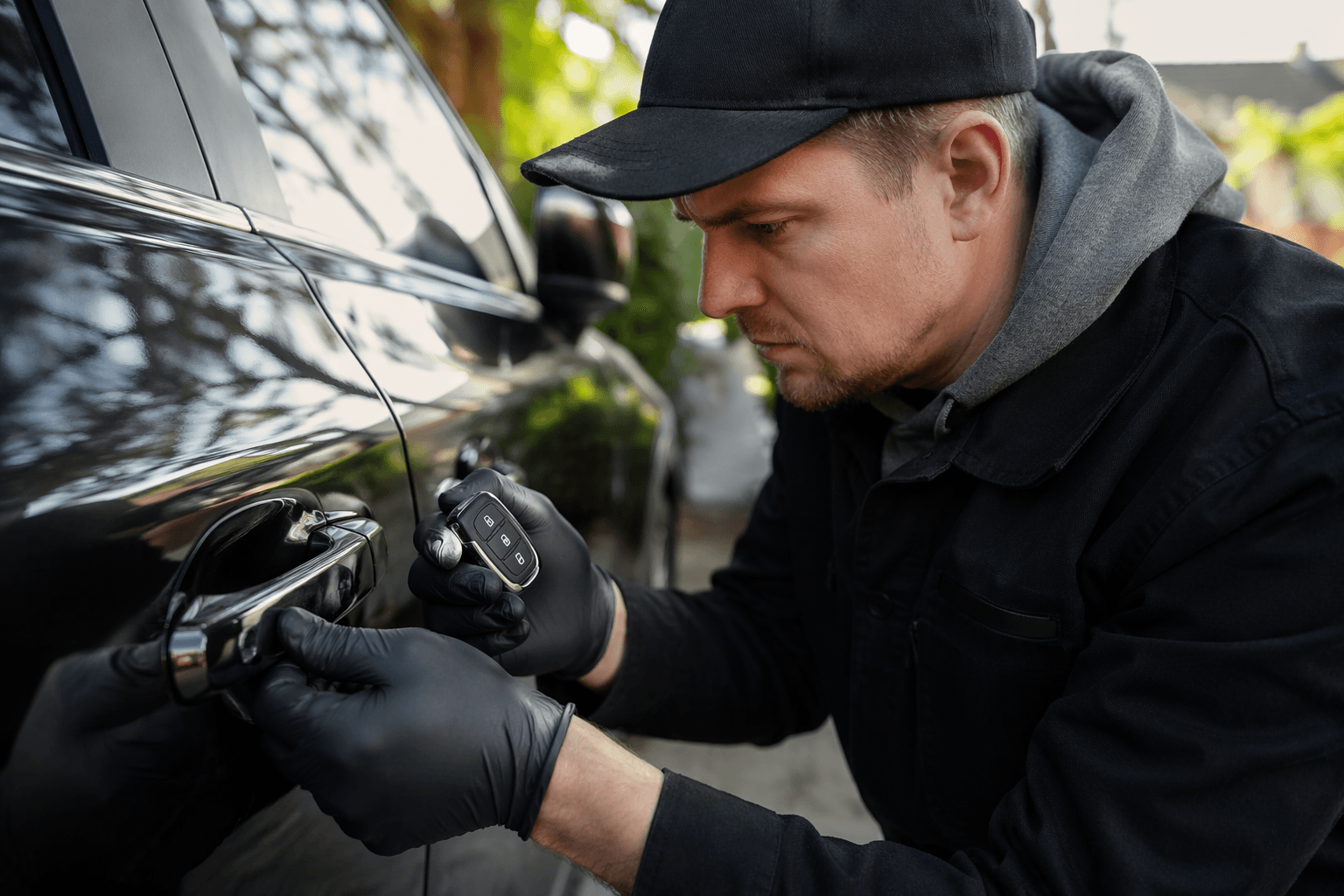
Proximity keys are turning vehicle lockouts into a serious business
The easy part of modern car entry is no longer the blade in your pocket. The real opportunity now sits in proximity keys, smart keys, and push-to-start systems, where the car recognizes a carried fob electronically and expects the right programming, diagnostics, and access knowledge before it will move. That shift is creating a profitable lane for automotive locksmiths who can show up, solve the problem on site, and beat the time and cost of a dealership tow-and-wait routine.
For anyone coming from lock sport or traditional picking, this is the hard boundary line: mechanical skill still matters, but it is no longer enough by itself. The vehicles are changing, the electronics are getting more layered, and the locksmith who can work through both the entry side and the programming side is the one who can charge for a full solution instead of a single act.
Why proximity keys are a business goldmine
The appeal is simple: customers hate being stranded. When a key is lost, locked in, or dead, many drivers would rather pay a mobile locksmith to come to the vehicle than deal with a tow, a dealership quote, and another delay before they can get back on the road. That is where proximity-key work pays off. It is not just about opening a door. It is about restoring use of the vehicle immediately, in the customer’s driveway, parking lot, or job site.
A new Toyota example captures the change well. The key can stay in a pocket while the car unlocks and starts, which is convenient for the driver but also tells you everything about where the trade has moved. The locksmith’s job is no longer centered on a visible lock and a mechanical blank alone. It now reaches into electronics, pairing, and troubleshooting, which makes the skill set broader and the service ticket more valuable.
What keyless ignition actually means
The National Highway Traffic Safety Administration describes keyless ignition systems as setups where a device carried by the driver replaces the traditional metal key and is verified electronically when the driver starts the vehicle. In practice, that usually means a button press or a rotary switch instead of turning a blade in a cylinder.
That definition matters because it shows why old assumptions do not carry over cleanly from hobby lockpicking to automotive work. A proximity key system may still involve physical access, but the real gatekeeper is the vehicle’s electronic verification. Once you are past the door, you still may not be past the immobilizer, the pairing process, or the programming challenge.
The gap between lock sport and real automotive access
This is where the line between recreational skill and professional service becomes obvious. In lock sport, success often comes from reading a mechanism, feeling feedback, and gaining non-destructive access. In modern vehicle work, access is only one piece of the puzzle. You may need to handle smart-key diagnostics, proximity-key pairing, onboard programming basics, EEPROM programming basics, and non-destructive vehicle entry, all while using professional automotive locksmith tools.
That is the gap that creates both opportunity and risk. A hobbyist can understand the shape of the work quickly, but the job itself rewards precision, legal access, and a willingness to handle electronics without guesswork. The wrong move can mean an expensive mistake, a damaged vehicle system, or a customer who is still stuck because the car will not accept the key.
Why training has become the real competitive edge
Mr. Locksmith frames the opportunity around training because the field is becoming more technical, not less. Its automotive training covers proximity-key programming and pairing, smart-key diagnostics and troubleshooting, onboard and EEPROM programming basics, non-destructive vehicle entry, and professional automotive locksmith tools. That combination points to the modern reality of the trade: the locksmith who can solve the whole problem is far more useful than the one who can only get a door open.
ALOA Security Professionals Association, Inc. reinforces that same message from the trade side. It says it offers more than 200 continuing-education classes each year across conventions, training centers, and webinars, and it says certifications matter for locksmiths and security technicians who want to remain competitive. In other words, the business is not rewarding guesswork. It is rewarding up-to-date technique, structured learning, and proof that you can handle today’s vehicles safely and professionally.
How roadside service expectations shape the market
AAA helps explain why mobile automotive locksmithing has such strong demand. Its roadside assistance can include 24/7 car lockout service, mobile help at the vehicle’s location, towing if needed, and locksmith reimbursement for members when a locksmith is required. AAA also says that if its technician cannot unlock the vehicle, the member can hire a locksmith and request reimbursement, with published reimbursement amounts that vary by membership tier.
That matters because it normalizes a simple expectation: the problem should be solved where the car sits. Drivers do not want a lecture about technical complexity. They want help now. The locksmith who can meet that expectation, especially with proximity keys and smart keys, is operating in the sweet spot between convenience, speed, and real-world necessity.
The security backdrop keeps the stakes high
The broader vehicle security picture also supports why this niche keeps growing. NHTSA reported more than 850,000 vehicles stolen in the United States in 2024, a reminder that vehicle access and vehicle security remain major national concerns even as key technology becomes more advanced. That number does not mean proximity keys are the cause of theft. It does show that modern automotive security is still an active battleground, which is exactly why the trade keeps moving toward higher-skill electronic work.
For the lockpicking community, that is the lesson worth taking seriously. Proximity-key work is not just another version of opening a lock. It sits at the intersection of non-destructive entry, legal access, programming knowledge, and real diagnostic ability. The opportunity is real, the customer demand is real, and the tool gap is wide enough to separate a hobby skill from a profitable profession.
This article was produced by Prism’s automated news system from verified source data, official records, and press releases, then run through automated quality and moderation checks before publishing. The system is built and supervised by the people who set the standards it runs under. Read our full AI policy.
Know something we missed? Have a correction or additional information?
Submit a Tip