Rekeying teaches lockpickers how locks work from the inside out
Rekeying turns a picker into a mechanic. Once you repin a cylinder and watch the shear line move, the lock stops being a mystery and starts being a system.
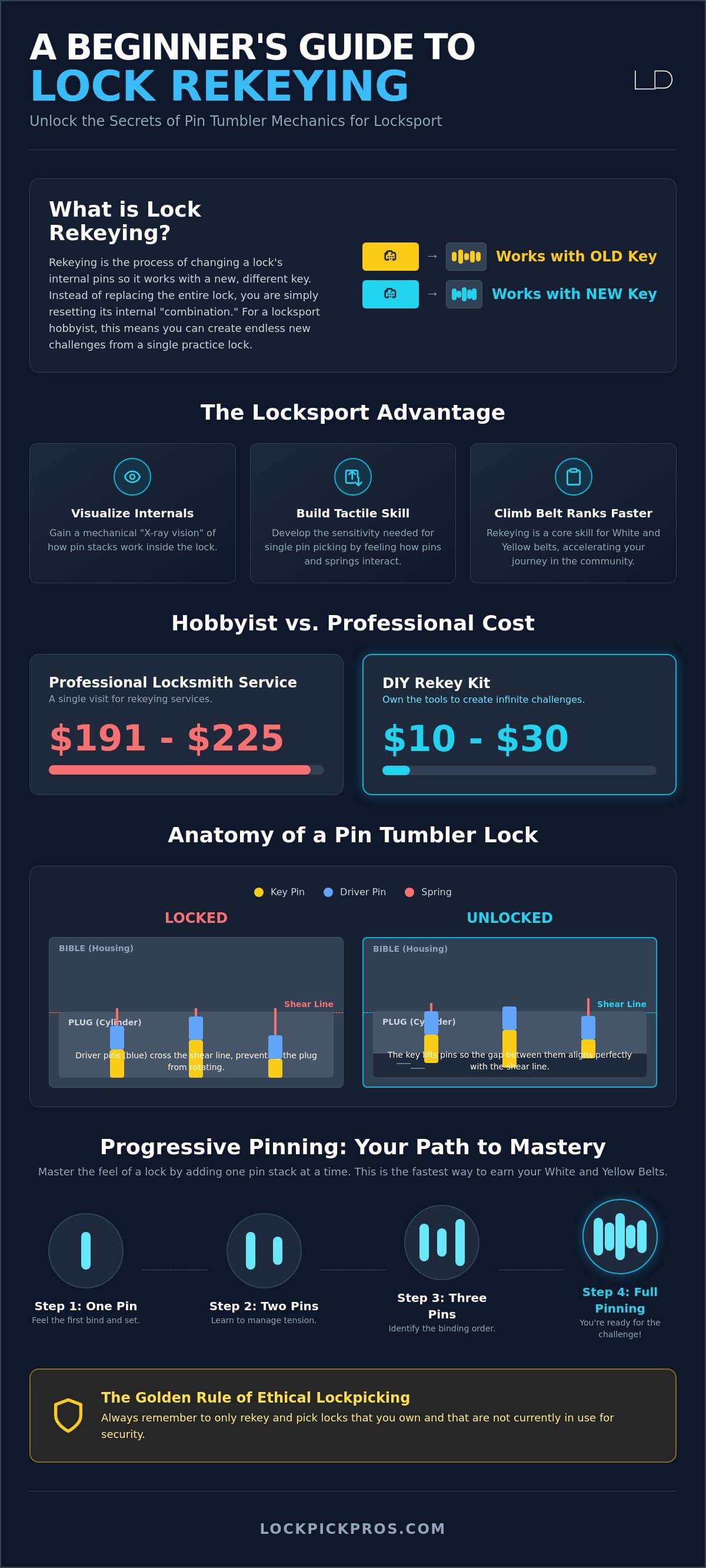
Rekeying is where a lot of lockpickers finally see the whole machine instead of just the feedback through the keyway. Once you strip a pin-tumbler cylinder down to the plug, housing, key pins, driver pins, springs, and shear line, the lock stops being a black box and starts becoming something you can rebuild on purpose.
Inside the lock, not just at the keyway
A pin-tumbler lock is built around an outer shell and an inner plug, with stacked pins and springs separating the two until the right key lines everything up. Rekeying changes which key pins and driver pins meet at the shear line, so a different key can operate the same cylinder without changing the hardware itself. That simple shift is what makes the practice so valuable: you are not just opening a lock, you are changing the relationship between the parts that make the lock work.
That is why rekeying teaches tolerances in a way picking alone usually does not. When you repin a cylinder, you start to feel how small changes in pin length, stack height, and key cut affect whether the plug turns cleanly, binds early, or feels inconsistent under tension. For a hobbyist, that is the difference between memorizing feedback and understanding why the feedback exists.
The workflow that makes the lesson stick
The practical value comes from the sequence itself: disassembly, pinning, reassembly, testing. Schlage’s rekeying instructions make one point unmistakably clear, rekey with the door open to avoid being locked out. That advice matters because rekeying is real maintenance, not just an abstract exercise on the bench.
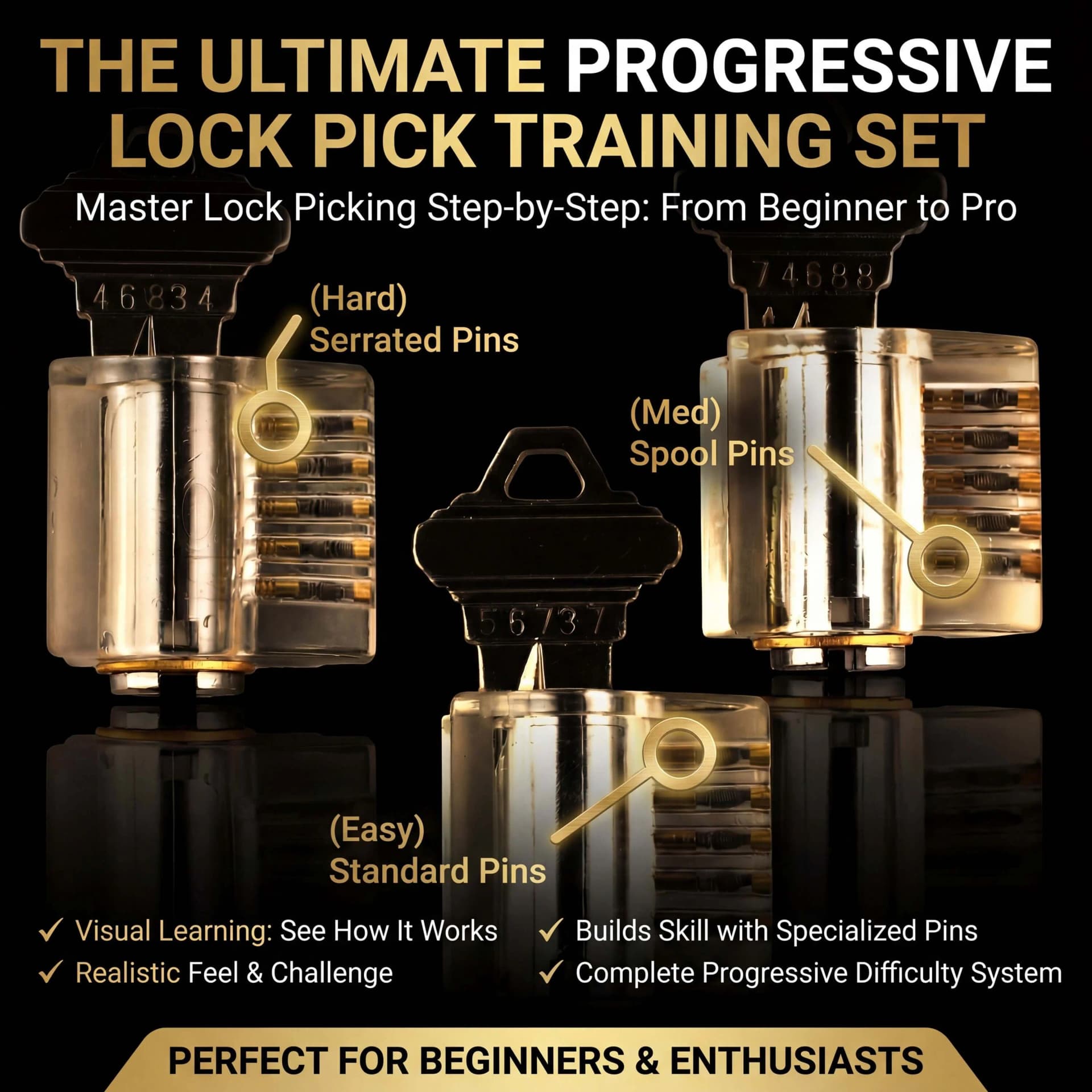
Locksmith Ledger pushes the learning even further by recommending a cutaway cylinder as a visual aid. That kind of tool makes the hidden geometry obvious, letting you see the plug, housing, bottom pins or key pins, top pins or driver pins, and springs while you work. Once you can watch the parts move, the feedback you get while picking starts to make more sense because you have already seen the mechanism from the inside.
For practice hardware, this is where the payoff gets immediate. A learner can repin the same cylinder again and again to create new challenges, test how different bitting patterns feel, and compare one key-pin arrangement against another. The lock becomes a training platform, not a one-off puzzle.
Why rekeying belongs in the picking curriculum
A 2026 Lock Pick Pros guide ties rekeying to Lock Picking Belt Levels Explained, which fits the way many in the community think about progression. Mechanical literacy is not being treated as a side topic here. It is part of moving from basic manipulation toward a fuller understanding of how the lock was assembled in the first place.
That matters because many beginners learn to set pins long before they understand how those pins were matched to a key. Rekeying closes that gap. It shows how the key pins and driver pins are chosen as a pair, how the shear line becomes the decision point, and how changing the pinning changes the lock’s behavior even when the shell and plug stay the same.
The diagnostic value is just as important as the hands-on skill. When you understand the internal geometry, a sticky lock does not just feel stubborn, it points to a specific problem in pin stack height, tolerances, or alignment. That is the kind of intuition that carries over into harder picks and more stubborn cylinders.
From Yale’s invention to modern practice
The history behind the pin-tumbler lock gives this whole exercise a deeper frame. Britannica identifies Linus Yale Jr. as the American inventor and designer of the compact cylinder pin-tumbler lock that bears his name, and notes that his first achievement was the Yale Infallible Bank Lock in 1851. Yale’s own history materials add that his pin-tumbler design used a smaller flat key with serrated edges and a second metal driver pin pushed by a coil spring.
That is the lineage you are touching every time you rekey a modern cylinder. The mechanism may feel ordinary now, but it was a major step in making keyed security compact, repeatable, and practical. Learning to change the pinning inside that system is a direct way to understand why the design mattered in the first place.
The community already treats this as a hands-on skill
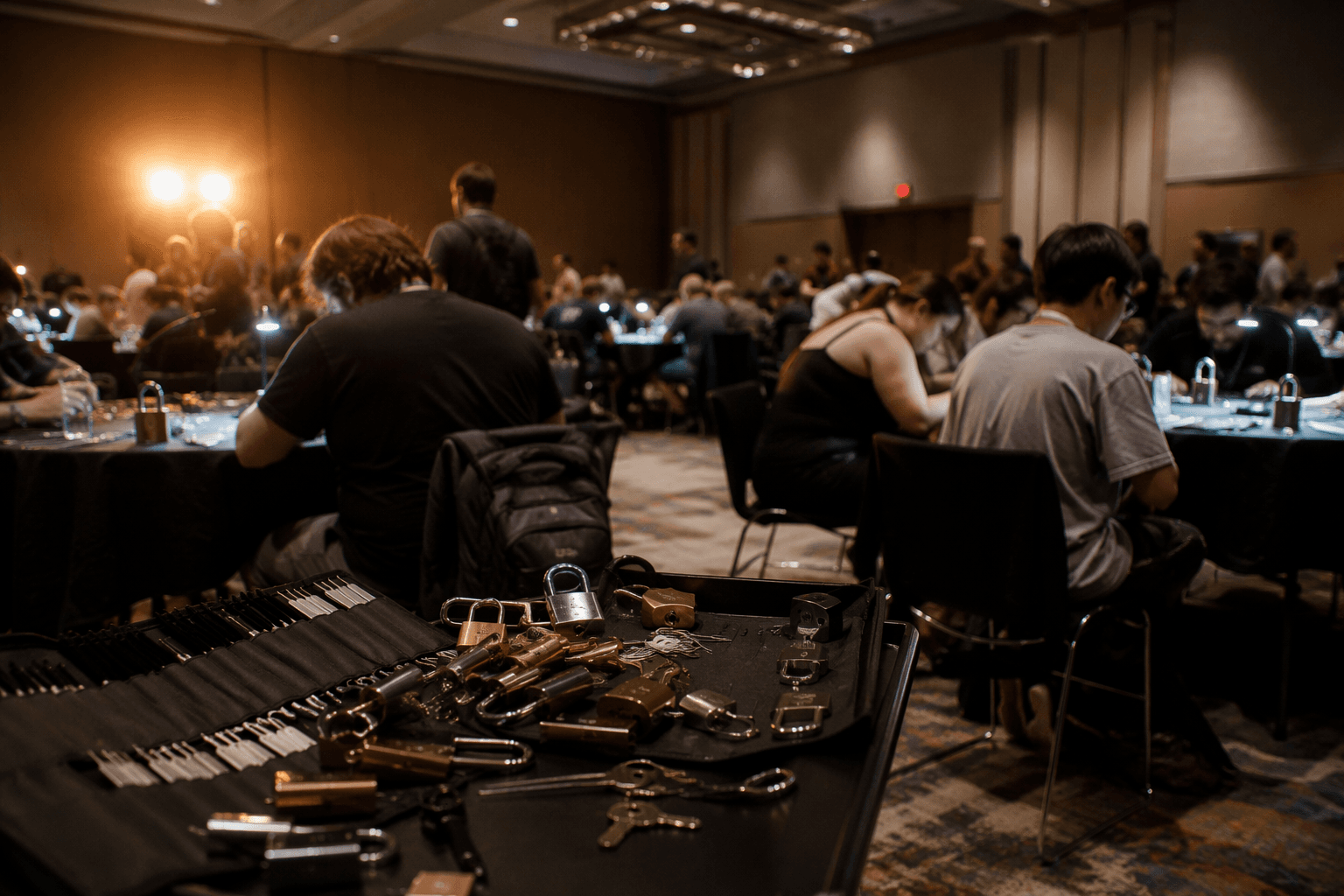
The Open Organisation Of Lockpickers, better known as TOOOL, is a 501(c)(3) nonprofit dedicated to advancing public knowledge about locks and lockpicking through teaching, research, and competition. Its resources point newcomers toward books, communities, and practical learning materials, which matches the way the hobby has always mixed theory with practice. TOOOL also sells a Schlage rekey kit and practice locks, a reminder that the community expects people to learn by doing.
That mix of instruction and experimentation is exactly where rekeying earns its place. You are not just collecting another technique. You are learning how a lock is built, how it can be changed, and why the same cylinder can feel completely different once the pin stack is reset.
Rekeying is the moment the mystery starts to thin out. Once you can take the cylinder apart, repin it, put it back together, and test the result, you are no longer just feeling for pins through the keyway. You are reading the mechanism itself.
This article was produced by Prism’s automated news system from verified source data, official records, and press releases, then run through automated quality and moderation checks before publishing. The system is built and supervised by the people who set the standards it runs under. Read our full AI policy.
Did this article answer your question?