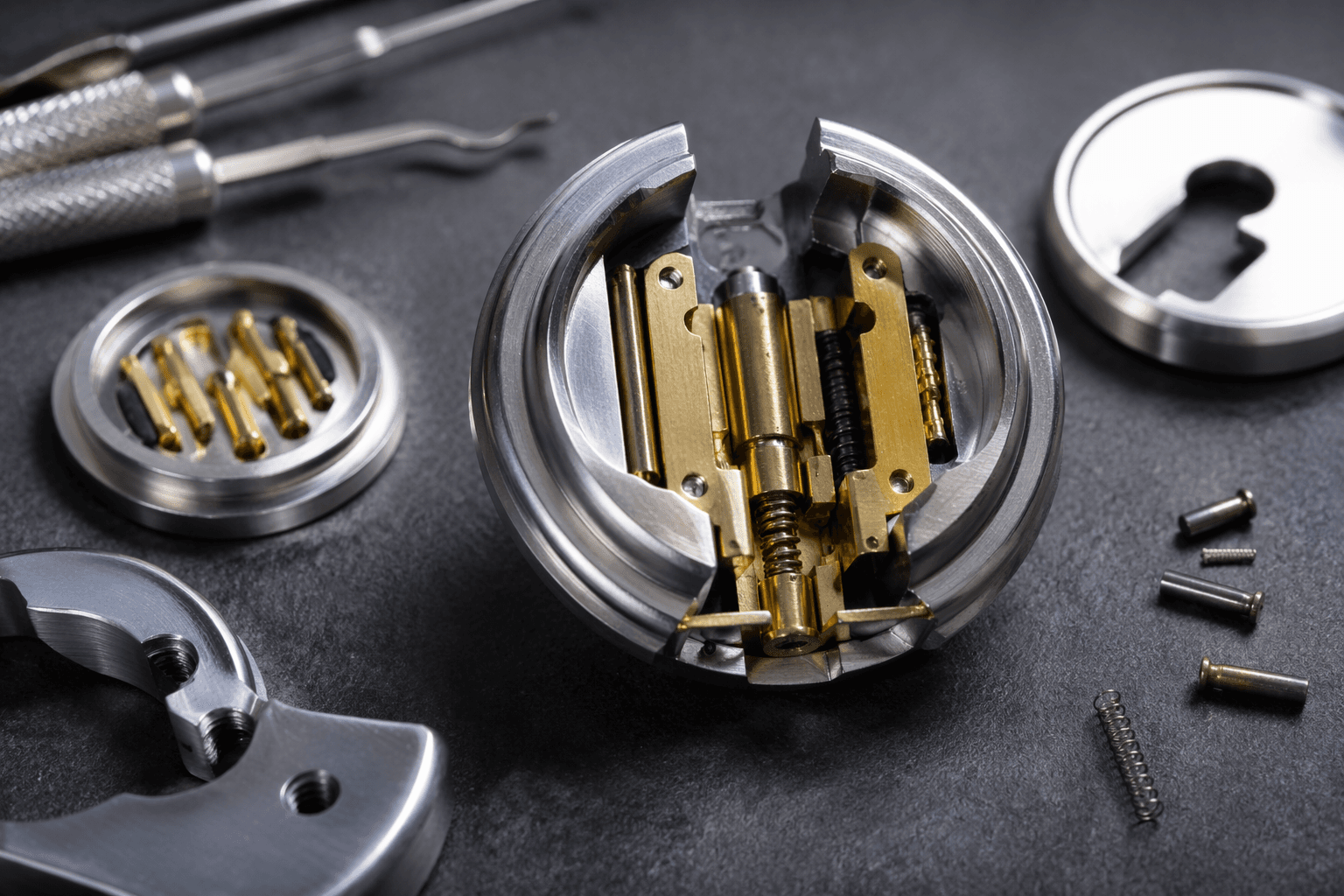
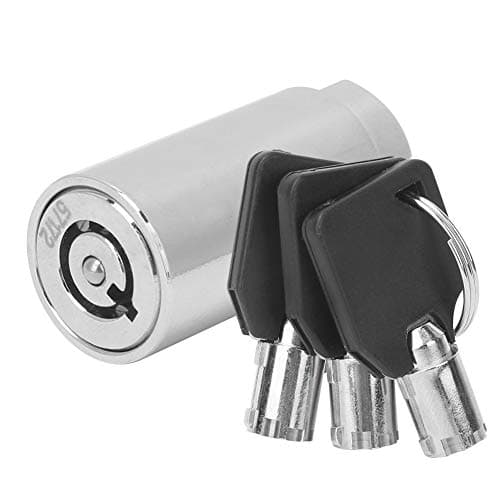
Researchers decode Targus DEFCON laptop lock, exposing weak portable security
LockLab’s June 11 decode of a Targus DEFCON laptop lock exposed how little comfort a four-digit portable cable lock can really provide.

A portable cable lock can look like the simplest answer to theft in a dorm, lab, or conference room, but the combination head may be the easiest part to beat. LockLab’s June 11 decode of the Targus DEFCON LL put that weakness in plain sight, turning a familiar everyday security gadget into a reminder that convenience and protection are not the same thing.
Targus’ DEFCON CL documentation describes the lock as a notebook security combination cable lock built around a resettable four-digit code. The first-use combination is 0000, and the manual says the cable is meant to be looped around a large, heavy piece of furniture or an immovable fixture. The same paperwork says Targus assumes no responsibility for lost, misplaced, or forgotten combinations, which is a blunt way of saying the user owns the risk once the lock is set.
On paper, the DEFCON family looks reassuring because Targus describes its combination locks as offering up to 10,000 possible combinations. In the lockpicking world, that kind of number does not end the conversation, it starts it. A small, resettable lock head that is cheap, light, and easy to carry is exactly the sort of mechanism hobbyists and physical-security researchers like to test, because it shows how much real delay a consumer product can buy before a determined attacker gets hands on with the desk or anchor point.
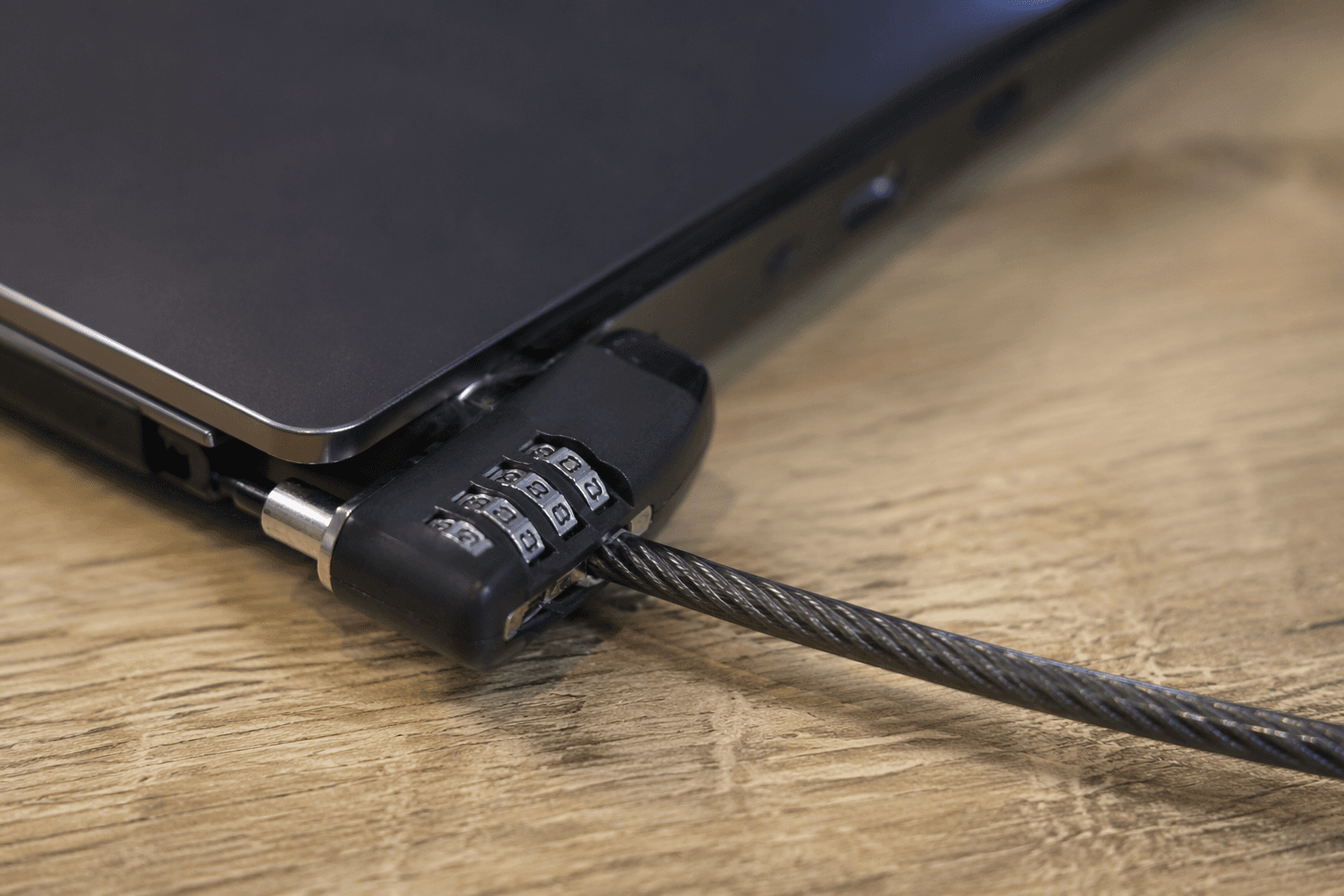
That is why the Targus lock has already attracted public how-to material, including an Instructables guide dedicated to decoding and picking a Targus Defcon CL laptop lock. The broader culture around it is no mystery either. DEF CON has a Physical Security Village built around door hardware bypasses, lockpicking, and related techniques, while Kensington says it brought its Security Slot and first MicroSaver cable lock to market in 1992, helping turn the slot into an industry standard. NIST, meanwhile, still includes laptops in its guidance on securing data and devices, and its controls cover device locks and lockable casings.
The practical read is not complicated: a portable laptop lock is a deterrent, not a vault. It can slow casual hands and mark a machine as claimed, but the promise ends the moment someone understands the combination core better than the person who bought it. The lesson in LockLab’s decode is the same one lockpickers have repeated for years: if the security is small enough to clip to a bag, it is small enough to deserve scrutiny.
This article was produced by Prism’s automated news system from verified source data, official records, and press releases, then run through automated quality and moderation checks before publishing. The system is built and supervised by the people who set the standards it runs under. Read our full AI policy.
Did this article answer your question?