Schlage Primus recommended as a trust-building start for locksmiths
Schlage Primus is being framed as a trust-first starting point, not a bargain-bin buy. The real lesson is to choose hardware that proves control, consistency, and durability.

Trust starts with the cylinder you choose
The cheapest cylinder on the truck can cost more in callbacks than it saves at the counter. That is the core lesson behind the Schlage Primus recommendation: product choice is not just a purchase, it is a reputation decision, and the hardware you install tells customers how seriously you take security, consistency, and long-term performance.
The pitch is simple. If you are building your name in the trade, you do not need to offer everything under the sun. You need a small set of products you know deeply, can explain clearly, and can stand behind when the customer wants something better than the lowest-priced option on the shelf.
Why Primus gets the nod
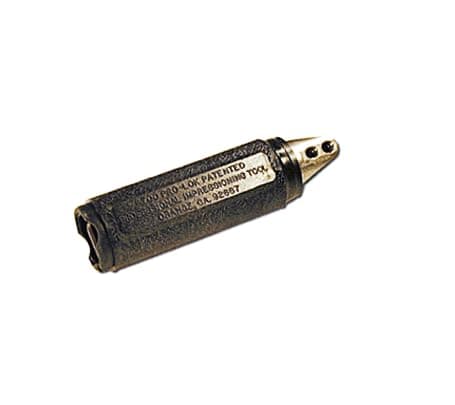
Schlage introduced Primus as a high-security cylinder in the fourth quarter of 1988, and that history matters. The original Primus patent has expired, but the platform did not disappear, it evolved, with later versions like Primus XP and Primus RP created to extend key control and patent coverage. That makes Primus more than a one-off product line; it is a long-running platform with enough depth to support a real working relationship between installer and hardware.
The original cylinder is also technically distinct in a way that locksmiths recognize immediately. Locksmith Ledger describes it as using two independent locking mechanisms and a total of 11 pin tumblers, combining Schlage’s standard six-pin system with a five finger-pin sidebar mechanism. In plain language, that means the lock is built to be more than a basic pin-tumbler job, and it is exactly the kind of platform that teaches careful, repeatable work.
What the newer Primus versions add
The newer Primus variants are what keep the system relevant. Allegion’s Primus RP documentation says the RP version was released in August 2021 and extends patent protection on specific keyways to 2029. That matters because restricted keyways are not just a buzzword, they are the mechanism that limits where keys can be duplicated and by whom.
Primus RP is also described as offering patented key control, geographical exclusivity, and pick resistance, with the option to add UL 437 drill resistance. Those are not decorative claims. They are the kind of features that let a locksmith explain why one system is a better fit for a customer who wants tighter control over who can make copies and what kind of abuse the cylinder can withstand.
Why professionals care about the spec sheet
This is where the trust-building lesson becomes practical. Schlage’s cut sheets list some Primus cylinders, including 20-500 Primus cylinders, as UL 437 listed and ANSI A156.5 Grade 1. That kind of classification gives you a clean, defensible way to talk about performance instead of leaning on vague promises.
Schlage says BHMA grading covers security, durability, and finish, and that product testing is used to assure consumers of quality. That is exactly the filter that should guide your first serious hardware purchases, whether you are stocking a van, building a practice setup, or choosing the first lock platform you want to know cold. Look for the hardware that is designed to perform consistently, not the kit that is cheap because it expects to be replaced.
For locksmiths, that means a product should clear a few simple tests:
- Does it have a reputation for reliability, not just a flashy label?
- Is the key control restricted enough to support real accountability?
- Are the durability and finish standards strong enough to survive daily use?
- Can you explain the platform clearly to a customer without hand-waving?
Those are the same filters professionals use when they decide whether a lock belongs in a trusted service lineup or in the bargain bin.
What product choice says about the trade
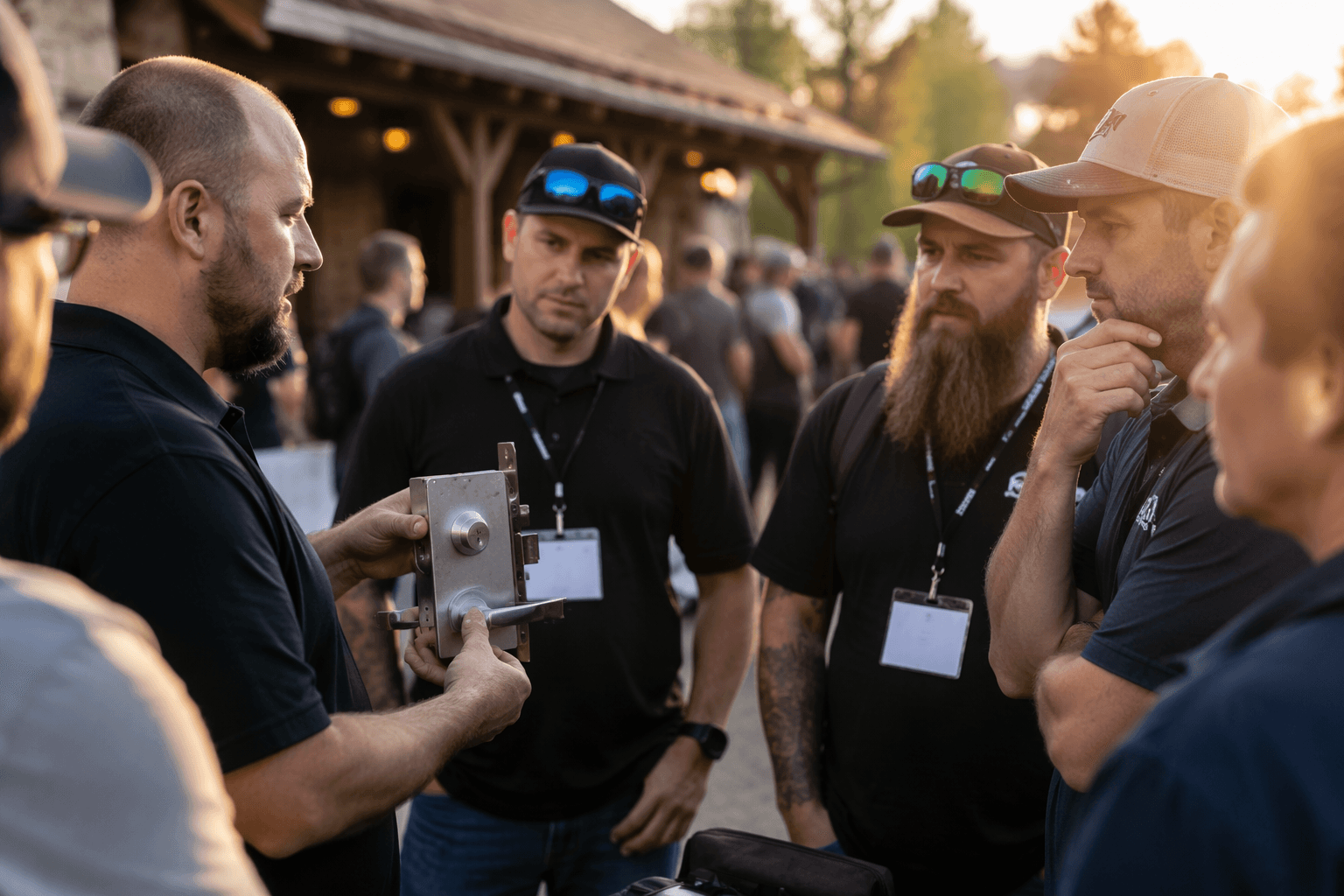
Mr. Locksmith’s career advice makes the bigger business point: if you want to move from being “just a locksmith” to becoming a dedicated security provider, you have to educate your customers. That means the product on the door is part of the conversation, not the end of it. A poorly chosen lock can trigger frustration, callbacks, and a loss of trust; a dependable system can do the opposite by reducing uncertainty and giving the customer a sense that the work was done with care.
Locksmith Ledger backs up that broader view of the field. Its coverage frames locksmithing as a mix of traditional lock work and broader security practices, including electronic access control. In that environment, a locksmith who knows one robust high-security family well has a real edge. Fewer unknowns mean fewer mistakes, faster installs, and more confidence when you are standing in front of a customer who wants more than basic entry hardware.
Why this matters for your first serious purchases
If you are choosing where to start, the lesson from Primus is not “buy the fanciest cylinder available.” It is to buy hardware that teaches discipline and rewards familiarity. A platform with restricted keyways, a documented high-security structure, and recognized grading gives you a better foundation than a pile of disposable kits that never quite behave the same way twice.
That is why Primus works as a trust-building example. It has the long history of a system introduced in 1988, the technical depth of a two-mechanism, 11-tumbler cylinder, and the modern extensions needed to keep key control meaningful through Primus XP and Primus RP. More importantly, it reflects the exact judgment call that separates a low-end installer from someone customers come back to: choose hardware that proves you value durability, consistency, finish quality, and reputation before you ever talk price.
The cheapest cylinder on the truck can cost more in callbacks than it saves at the counter, and Primus is a reminder that the smartest first purchase is the one that makes your work more consistent, your explanations more credible, and your reputation harder to shake.
This article was produced by Prism’s automated news system from verified source data, official records, and press releases, then run through automated quality and moderation checks before publishing. The system is built and supervised by the people who set the standards it runs under. Read our full AI policy.
Know something we missed? Have a correction or additional information?
Submit a Tip