Benjamin Levin’s Commodore Guff Deck Shows Tap-Out Control’s Commander Power
Benjamin Levin’s Guff build shows how tap-out control survives real Commander pods with soft stax, token pressure, and wipe-heavy discipline.
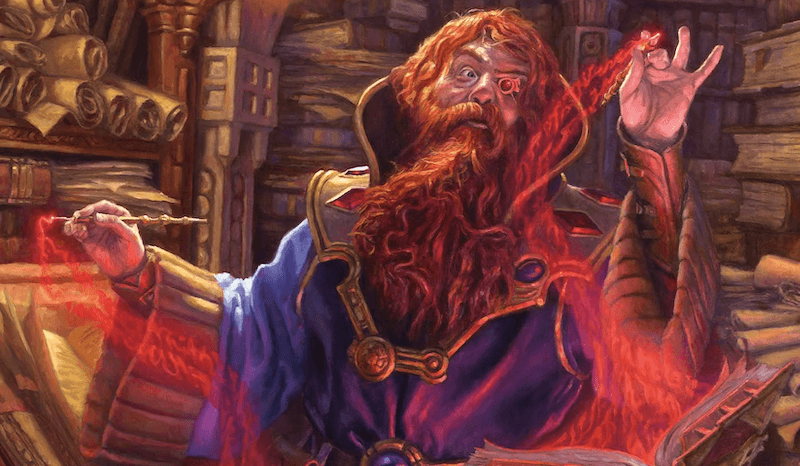
Why Commodore Guff works when the table is trying to go under you
Benjamin Levin’s Commodore Guff deck makes a clear case for tap-out control in Commander: if you want to win with planeswalkers, token pressure, and board wipes, you have to build for survival first. The list is deliberately not a budget brew, and it is not pretending to be a casual pile either. Its target is a Bracket 4 environment where creature-light and combo-heavy pods reward the player who can slow the game, tax the table, and keep developing through the middle turns.
That framing matters because Commodore Guff is easy to underestimate on paper. His +1 makes tokens, and those tokens do more than chip in for damage. They block, they pressure opposing attackers, and they help fuel the mana and board presence needed to keep more planeswalkers coming down. In a format where many commanders are trying to assemble compact engines or end games quickly, Guff turns incremental board development into a real defensive plan.
A commander from Commander Masters with a built-in table plan
Commodore Guff comes out of Commander Masters, the first Masters set Wizards explicitly made for Commander. That product launched on August 4, 2023, and Guff appeared in the “Planeswalker Party” Commander deck alongside Leori, Sparktouched Hunter. Wizards also confirmed that the Commodore Guff display commander was foil-etched and not legal for play, which reinforces how much the deck was built as a showcase piece for Commander’s planeswalker side.
That background helps explain why Guff is such a good fit for this style of deck. The commander is not trying to be a combo engine by itself. Instead, it gives you a stable way to make material, survive attacks, and keep your board relevant while the rest of the deck does the real work of controlling the pace. In Commander, that kind of steady value often matters more than flashy, isolated plays.
Tap-out control is not draw-go, and that distinction is the whole point
The strongest lesson in Levin’s list is that tap-out control plays a different game from the usual counterspell-heavy blue shell. Rather than holding mana up every turn and trying to answer everything on the stack, this style spends mana proactively on board wipes, taxing pieces, and permanents that keep the table off balance. That approach is especially valuable in multiplayer, where one-for-one trades rarely solve the whole problem and where a single dense board can demand a reset.
Levin’s deck leans into that reality with soft stax and board development at the same time. It is not trying to lock the table out in a hard prison sense. It is trying to make your opponents’ turns awkward enough that your planeswalkers, tokens, and rule-bending creatures can take over. That is a much better fit for a commander like Commodore Guff than pretending a tap-out shell can behave like a control deck in a duel format.
The disruptive creature package is doing real work
The deck’s creature choices show how carefully tuned this plan has to be. Drannith Magistrate and Hushbringer are the kind of disruptions that punish the lines combo decks rely on, while Silent Arbiter and Onakke Oathkeeper help shape combat into something your board can actually manage. Those cards are not there to be cute. They buy time, and in Commander, time is often the most important resource a control deck can purchase.
What makes the list especially interesting is that it refuses to separate “control” from “board presence.” Monastery Mentor and Third Path Iconoclast turn spells into bodies, which means every turn cycle can improve both your defense and your clock. That matters in Bracket 4 pods because the deck is not just surviving, it is building a board that can eventually end the game without needing a combo finish.
Spark Double gives the deck a flexible ceiling
Spark Double stands out because it gives the list a level of adaptation that a more traditional superfriends shell might not have. Copying the best creature or planeswalker on the table means the card can shift roles depending on what is most valuable in the moment. Sometimes that will mean doubling down on your own best permanent; other times it will mean stealing the most efficient threat or engine already in play.

That flexibility is exactly what a tap-out control deck wants. You are not always trying to execute the same script every game. You are trying to keep the board honest, extract value from each turn, and pivot when the table state changes. Spark Double fits that plan because it turns the best permanent available into another source of pressure or utility.
Why this style of control still works in Commander
Commander’s structure is what makes Guff’s plan viable. The format starts at 40 life, not 20, so games naturally last longer and give permanents more time to matter. A commander can be recast from the command zone for an additional two mana each time, which means players expect their commanders to be part of the game repeatedly, not just once. Add in the fact that Commander is a multiplayer free-for-all with three or more players, and the value of a repeated board presence goes up even further.
That is why this deck’s plan is so different from a traditional draw-go shell. In multiplayer, a control player cannot rely only on answering threats one by one. The deck has to create its own threats, its own pressure, and its own way to survive the table’s attention. Guff’s tokens, the deck’s tax pieces, and the steady stream of board wipes all serve that larger goal.
Commander Brackets gives this deck a modern frame
Wizards formally introduced Commander Brackets as a beta matchmaking system on February 11, 2025, with the goal of replacing the informal 1-10 power-level scale with something more useful. The idea is to help players find better-matched games while keeping Rule Zero conversations intact. Wizards was also explicit that no system can stop bad actors, which makes honest deck labeling and clear expectations more important, not less.
That is why the Bracket 4 framing around Levin’s Commodore Guff list is so useful. It tells you exactly what kind of environment this deck wants: not kitchen-table piles, not cEDH-speed combo tables, but pods where interaction, mana development, and board control all matter. If you are sitting down with a Jeskai control shell, that language helps set expectations before the first land drop.
What you can take from Guff even if you never build Guff
The biggest takeaway is not that Commodore Guff is the only way to play this style. It is that tap-out control in Commander needs concrete concessions to survive. You need blockers, tax effects, repeatable value, and enough board wipes to reset creature-based pressure when the table starts to get out of hand. You also need a commander that helps you keep applying pressure while you hold the game in place.
For any Jeskai control shell, the lessons are direct:
- Make your commander contribute to board presence, not just card advantage.
- Use soft stax to buy time against combo and creature-light decks.
- Treat token production as both defense and offense.
- Build for multiplayer inevitability, not for one-for-one efficiency.
- Choose finishers that emerge from the board, not just from a single spell chain.
Benjamin Levin’s list is a strong reminder that tap-out control is still very real in Commander when it is built with purpose. Commodore Guff is not carrying that plan alone, but he does give it a clean, flexible center. In the right pod, that is enough to turn patience, structure, and steady pressure into the most dangerous thing at the table.
This article was produced by Prism’s automated news system from verified source data, official records, and press releases, then run through automated quality and moderation checks before publishing. The system is built and supervised by the people who set the standards it runs under. Read our full AI policy.
Did this article answer your question?