Captain America budget Commander deck untaps value for $40 build
Captain America, Living Legend turns a $40 Azorius shell into a sneaky untap machine, with cheap tap payoffs that make the deck feel live right away.
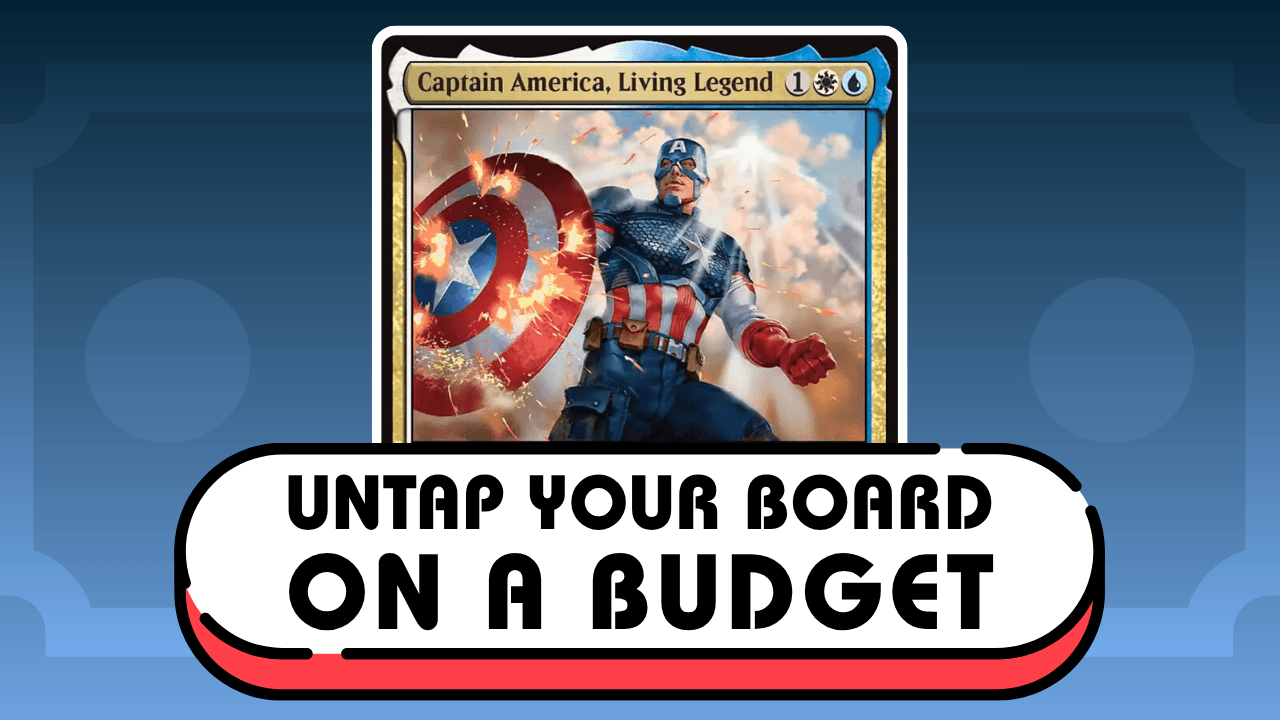
Captain America, Living Legend is exactly the kind of Commander that rewards a sharp, budget-minded build: it can turn a board full of modest creatures into a chain of value the moment you start tapping things. In an Azorius shell, the first untap trigger on your turn creates explosive lines without asking for premium staples, which is why this list lands so well as a play-it-tonight option.
A budget build that actually gets on the table
The strongest part of this build is the price point. Tyler Bucks puts the deck at around $40 by TCGplayer pricing, which makes it a realistic entry point for players who want to test the card without sinking precon-plus money into the project. That matters because this is not a deck that needs to sit half-finished while you hunt for expensive support pieces. It is built to be assembled quickly, shuffled up, and played.
That affordability also changes the way the list reads. Instead of trying to force Captain America into a flashy, high-dollar control shell, the deck leans into cards that already work with the commander’s text. The result is a Commander deck that feels coherent from the first few games, not one that only comes together after you upgrade half the list.
Why Captain America, Living Legend feels so explosive
The commander's ability is the engine. Captain America, Living Legend untaps your creatures the first time they become tapped on your turn, which means every creature that wants to attack, tap for value, or otherwise get turned sideways can generate extra mileage. That one line turns otherwise ordinary utility creatures into repeatable resources and makes sequencing matter far more than raw power.
Because the commander sits in Azorius, the deck naturally wants a clean, measured game plan built around tapping and untapping. The article’s core insight is simple: Captain America rewards a board that keeps doing work after it has already been tapped. That means your creatures are not just bodies on defense or attackers on offense, they are small engines that can keep feeding you value through careful combat and smart timing.
The cheap cards that do the heavy lifting
The budget version lives or dies by cards that look fair on paper but become much better once the commander is online. Tyler highlights a few creatures that fit that profile especially well:
- Compassionate Healer, which benefits from the tap-and-untap rhythm
- Scaretiller, which turns tapping into board development
- Fallowsage, which becomes a real source of incremental advantage
- Katara, Water Tribe’s Hope, as a tap-driven support piece
- Omni-Changeling, which helps keep the engine flexible
- Pippin, Guard of the Citadel, another low-cost support card that keeps the plan moving
What ties these cards together is not raw size or combat dominance. It is the way they keep giving you something after they have already been used once. In a Captain America deck, that matters more than a lot of flashy finishers, because the commander itself supplies the repeated untap pressure you need to keep those effects live.
Teamwork, tapping, and the value loop
The new teamwork mechanic from Marvel Super Heroes fits naturally here because the deck already wants creatures that can keep functioning after they are tapped. That makes the whole board feel more connected. Your creatures are not isolated value pieces, they are part of a larger loop where one tap can lead to another trigger, another attack, or another setup turn.

That is what gives the deck its real table presence. Instead of pure aggression, the game plan leans into tricky combat sequencing, incremental value, and clever untap lines. You are encouraged to think a step ahead, attack where it opens the most value, and use the commander to make modest creatures feel much bigger than their stats suggest.
What a casual player gets for the money
For the money, the payoff is immediate. A $40 build around Captain America, Living Legend gives you a deck that already understands its role: develop a board, turn creatures sideways, and get rewarded when they untap and keep working. It is the kind of list that lets casual players experience the commander’s best turns without needing to buy a pile of chase cards first.
That makes this build especially appealing for anyone who wants a Marvel-flavored Commander deck that still plays like a real table-ready list. It is budget-conscious, but it is not timid. The cheap creatures and tap payoffs do enough heavy lifting that the deck feels active from the start, and the commander turns those small pieces into something that can snowball quickly.
Captain America, Living Legend does not need a premium shell to start making plays. The budget version is already built to untap value on demand, and that is exactly why it feels ready to sleeve up now.
This article was produced by Prism’s automated news system from verified source data, official records, and press releases, then run through automated quality and moderation checks before publishing. The system is built and supervised by the people who set the standards it runs under. Read our full AI policy.
Did this article answer your question?