Commander kingmaking is messier than a simple bad play
Commander kingmaking is not always spite in disguise. The hard part is telling a real strategic choice from a move that breaks the table’s social contract.

A player can be dead on board in Commander and still decide who wins. The ugliest kingmaking turns are not always bad play.
What kingmaking actually is
Alex Wicker draws a distinction people often flatten online: kingmaking is not just “doing something annoying at the end.” In Commander, it means intentionally ending the game in someone else’s favor, which is different from a mistake, a missed line, or the kind of resignation that happens when a pod is already packing up for the next shuffle. A player can be out of winning position and still have agency, especially in a four-player game where one turn can change who survives the final exchange.
The messy part is that the motive is not always pure spite. Wicker draws a line between decisions shaped by bitterness, table politics, time pressure, or a genuine belief that one opponent is the least bad winner.
Why Commander makes this feel so charged
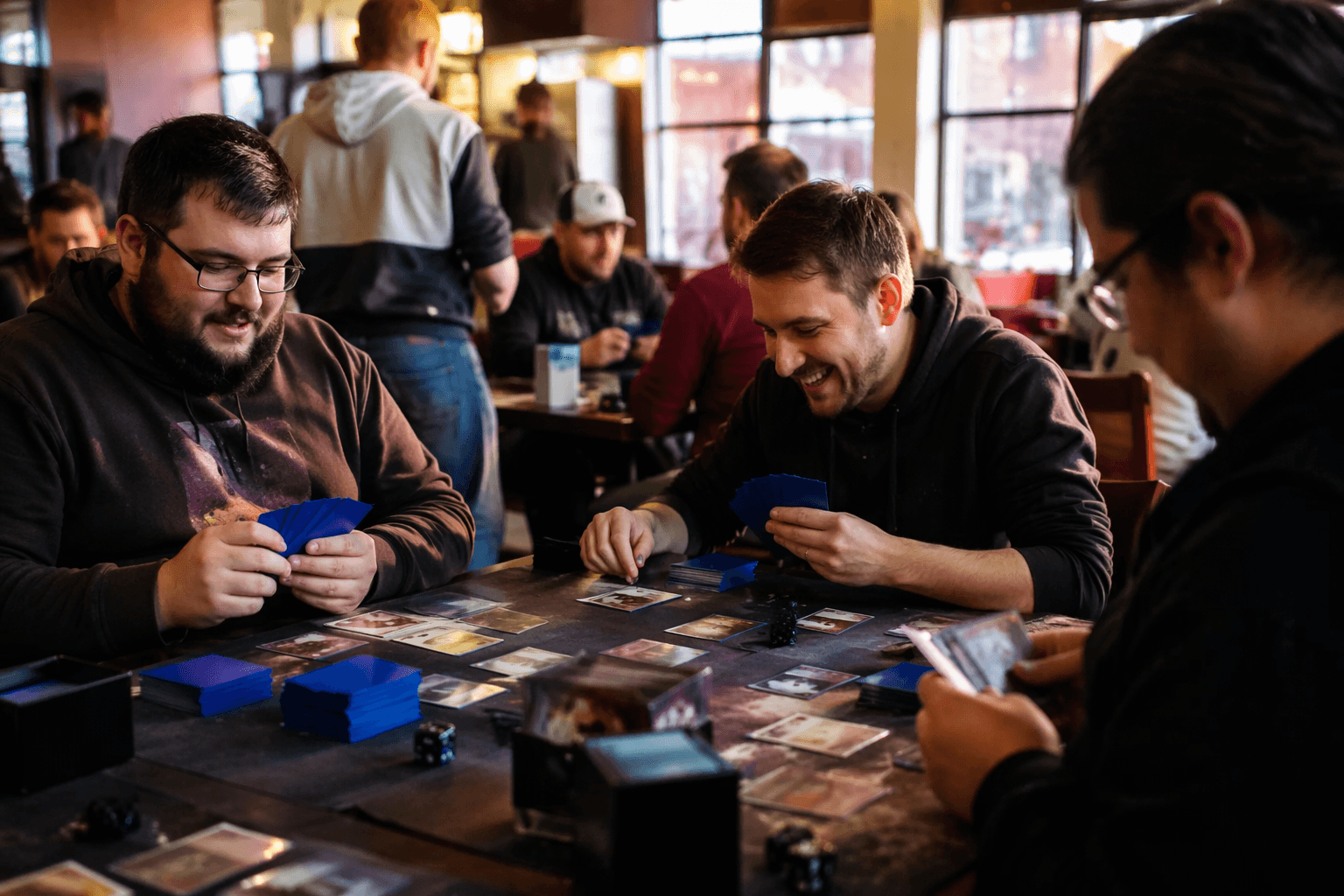
Commander is a casual, multiplayer format usually played with four players, 100-card decks, and 40 starting life, with game length expected to run about 20 minutes per player. It is also usually a free-for-all multiplayer game, though two-player games are common enough that the social texture still matters even when the pod size changes.
Endgame politics are unavoidable. Commander is a slower, conversational, battlecruiser-style format where players are reading intentions as much as they are reading board states, and the official philosophy is based on a social contract. The official FAQ puts it this way: “Don’t play games that you don’t want to,” and, “Players should collectively be encouraging a game where everyone has fun.”
A real-table test for the last choice
The cleanest way to think about kingmaking is to ask three questions in order.
1. Are you making a meaningful strategic choice, or just taking a swing because you are annoyed?
If you are dead on board, the difference between spite and strategy usually shows up in intent. A player who chooses the line that preserves their best remaining leverage, even while no longer able to win, is doing something very different from a player who wants to punish the person who stopped them.
2. What does the board actually allow?
In Commander, being out of the game does not always mean being out of agency. You might still have blockers, a removal spell, or one last political decision that changes which opponent gets to close. If the choice is between two losing lines and one of them clearly reduces the chance of an even worse outcome, that is not the same as chaos for its own sake.
3. Does the choice preserve the social contract at your table?
This is where the format’s own philosophy comes back into the picture. If your move is a transparent attempt to spoil the game because you are angry, the table will read that very differently from a decision made to avoid handing victory to the player who has controlled the game most cleanly.
When politics belong in the game, and when they do not
Commander already invites table talk, threat assessment, and informal alliances, so not every kingmaking-looking play is toxic. Sometimes the pod has spent the whole game negotiating around a dominant board, and the player with one turn of agency makes the least bad choice for the balance of that specific table. That is a political decision, but it can still be part of the game instead of a breach of it.
Spite is different because it ignores the larger shape of the game and focuses on settling a personal score. Time pressure is different again, because a last-game-of-the-night situation can push players toward shortcuts that are less about judgment than about wanting to shuffle up again.
Why the format’s own governance keeps this conversation alive
The Commander Rules Committee formerly maintained the rules and ban list and, when needed, updated them about every three months. Then, in September 2024, Wizards announced that Commander was now managed by Wizards of the Coast, and in October 2024 it introduced the Commander Format Panel as an advisory group.
Commander has always been “created and popularized by fans,” yet it also lives inside a more formal structure now.
This article was produced by Prism’s automated news system from verified source data, official records, and press releases, then run through automated quality and moderation checks before publishing. The system is built and supervised by the people who set the standards it runs under. Read our full AI policy.
Did this article answer your question?