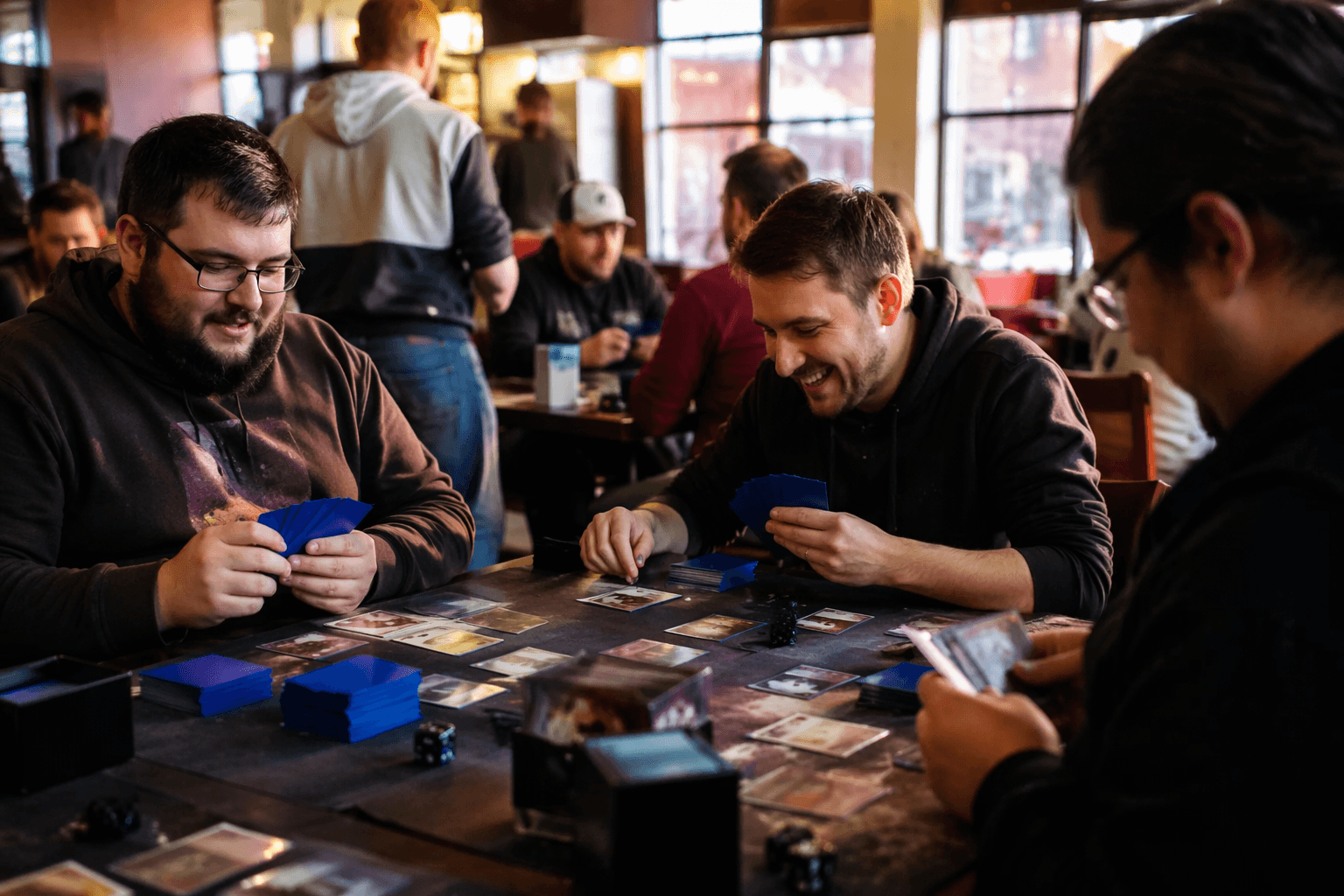
Commander players face a new question, are decks being misrepresented?
Commander’s new labels are only useful if the deck description matches the first game. A fair pod starts with honesty, not a fake power number.
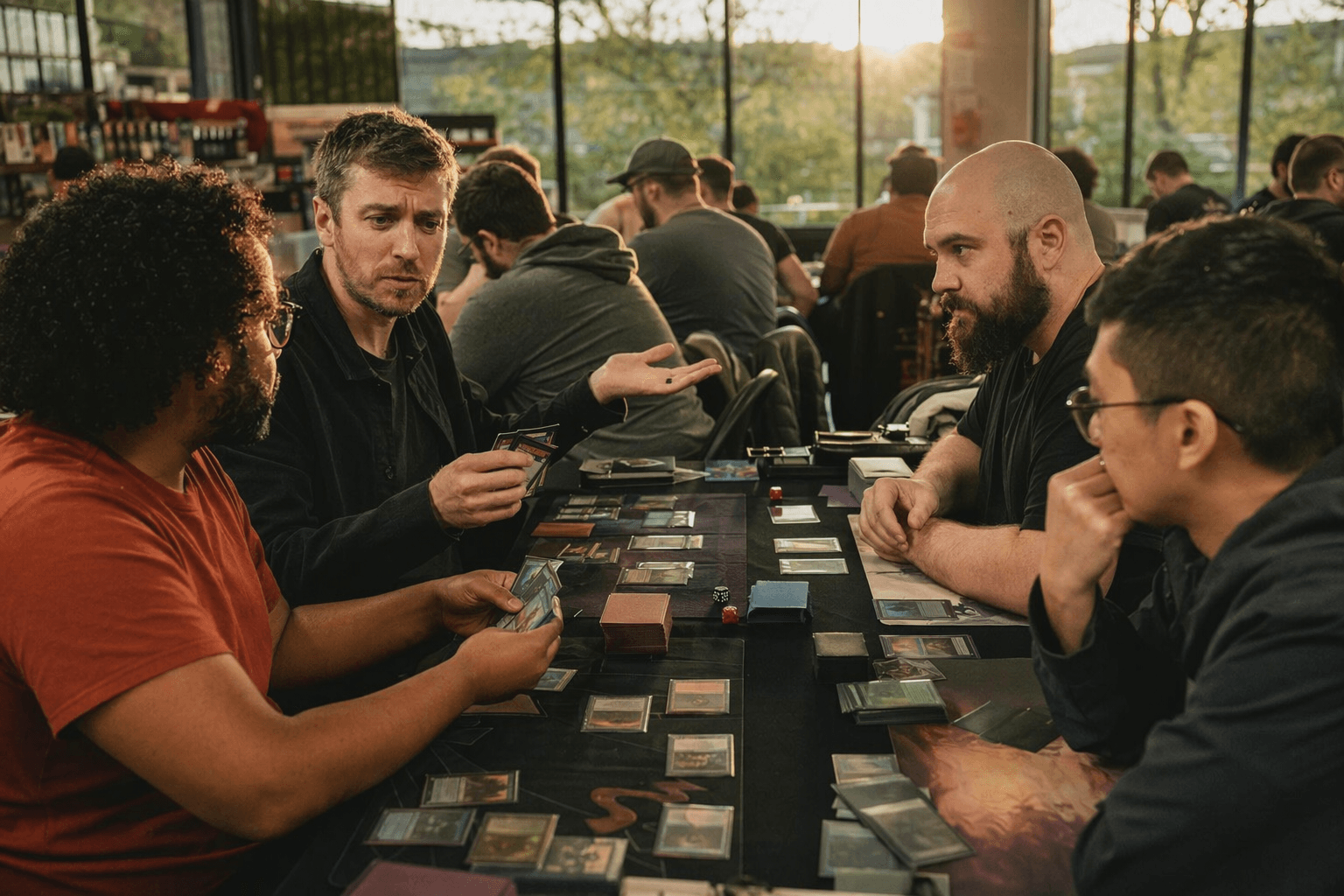
The worst Commander nights rarely start with a bad draw. They start when one player says “casual” and the table sits down for something else entirely. That is the real problem this conversation is trying to solve: power level mismatch does not just bruise feelings, it wastes a pod’s time, warps threat assessment, and turns a social format into a blindfolded gear check.
Wizards of the Coast has made the scale of the issue impossible to ignore. Commander is officially a casual multiplayer format for 3 to 5 players, built from 99 cards plus a commander, with 40 starting life and about 20 minutes per player. That means a single game can consume a big chunk of an evening, and if the deck descriptions were fuzzy at the start, everyone pays for it once the first land drop happens.
Why “power level” keeps failing at the table
The old 1 to 10 conversation was always shaky, because it tried to compress deck speed, consistency, resilience, and social intent into one number. A deck can be low on infinite combos and still feel miserable if it is full of stax pieces, heavy tutors, or repeated resource denial. Another deck can look scary because it shows off famous cards, yet still stumble, play slowly, and fail to close.
That gap is why honesty matters more than bravado. If you overstate weakness, you create a pod that is immediately mismatched. If you overstate strength, you may talk yourself out of a game that would have been fun and balanced. Commander has always been about finding the right table, not winning a debate before mulligans.
What Commander Brackets actually changed
Wizards introduced Commander Brackets in beta on February 11, 2025, as a way to replace the old, often arbitrary power-level talk with a more useful shared language. Gavin Verhey has been clear that Rule Zero still exists, which matters because brackets are not meant to delete the pregame conversation. They are meant to make that conversation better.
The Commanders Format Panel later said on February 9, 2026 that the brackets system had “overall, been working well,” but it also acknowledged the format still has to serve everything from highly thematic casual games to cEDH. That is the right framing. Commander is too broad for one label to solve everything, so the real goal is to give players more tools, not fewer words.
It also helps that the format is now managed by Wizards of the Coast rather than the old Commander Rules Committee. That shift matters because players are being asked to use a more official vocabulary, but the social contract has not gone away. The official FAQ still says Commander exists to help players find other players who are looking for the same kind of game, and it describes Rule Zero as a group-consensus tradition, not an enforcement system. Wizards is equally blunt that no bracket system can stop bad actors who intentionally lie about deck strength.
How to describe a deck without lying to your pod
The best pregame talk sounds less like a boast and more like a field report. Do not say only “it is pretty casual” or “it is strong, but not too strong.” Say what the deck is trying to do, how it wins, and which pressure points matter most. If the deck leans on tutors, stax, fast recursion, or repeated resource denial, say that plainly.
A useful deck description has three parts:
- What the deck is built around
- How fast and consistent it usually is
- What kind of interaction or lock pieces it runs
That language gives the table something real to work with. “My list is a graveyard engine with a few tutors and one combo finish” is much better than “mid-power.” So is “This is a battlecruiser pile that wants to cast big spells and does not run much disruption” or “This is a tuned control deck that slows the table down and tries to grind value.” Those descriptions tell other players what they are actually signing up for.
- battlecruiser, if the deck is slow, splashy, and light on punishment
- upgraded precon, if it mostly tracks with a stock product but has a few real upgrades
- focused casual, if the list has a clear plan and enough consistency to execute it
- high-power, if it runs efficient tutors, strong interaction, and a fast, reliable win path
- cEDH, if the deck is built to function at the highest end of the format’s speed and efficiency
If you want to get even more precise, use the same categories players already recognize:
The point is not to win a taxonomy contest. The point is to avoid the table-side disaster of three players preparing for a loose, social game while the fourth has assembled a machine that wants to end the night early.
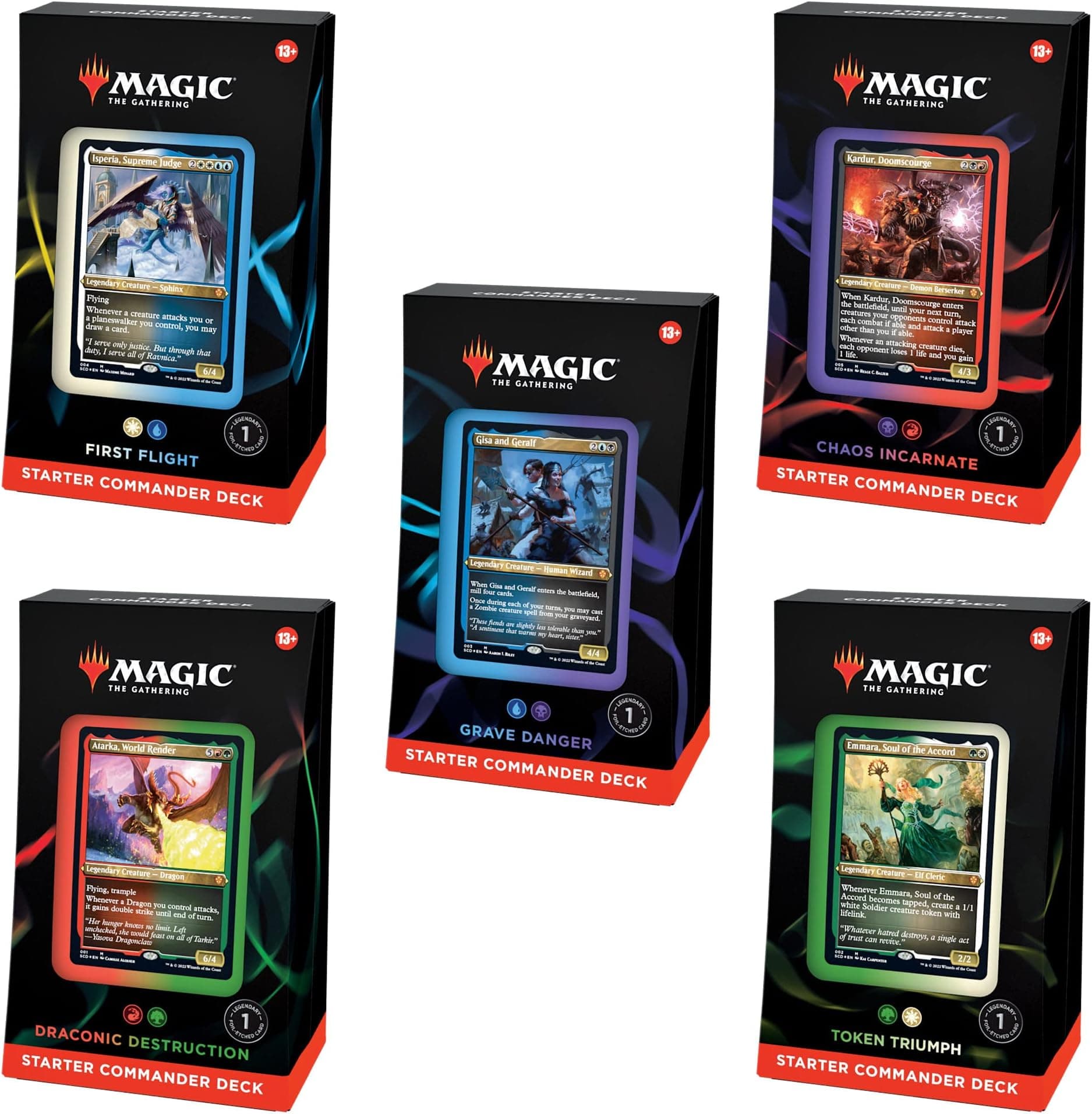
Red flags that should slow the shuffle
There are a few phrases that should make everyone pause and ask a follow-up question. “It is casual, but it has a lot of tutors” is not casual the way most tables mean it. “It does not combo, but it keeps everyone off resources” usually means the deck will still feel oppressive. “It looks scary, but it really does nothing” may be true, but it can also be a way of dodging the real question.
- famous cards with no explanation of game plan
- “no infinites” used as a stand-in for “not very strong”
- “fair deck” from a list packed with stax or heavy tutoring
- “it is just an upgraded precon” when the deck clearly has a tuned engine
Listen for the gaps between what is said and what is implied:
Those are the moments when Rule Zero earns its keep. Not as paperwork, but as a sanity check before anyone keeps a risky opening hand.
The practical lesson Commander needs right now
EDHREC’s brackets guide gets this exactly right by showing the same commander across five builds, proving that one leader can represent very different play experiences depending on the surrounding shell. That is the real value of brackets and Game Changers together: they give players a way to talk about what the deck does, not just how arrogant the pilot feels about it.
Commander will always reward creativity, but creativity without honesty is how a friendly pod becomes a bad story. The format is broad enough for theme nights, kitchen-table chaos, and cEDH, yet it only works when the people at the table mean the same thing when they say what kind of game they want. The strongest deck-building skill is still the simplest one: describe the deck the way it actually plays, and let the first land drop begin from the same expectation.
This article was produced by Prism’s automated news system from verified source data, official records, and press releases, then run through automated quality and moderation checks before publishing. The system is built and supervised by the people who set the standards it runs under. Read our full AI policy.
Did this article answer your question?