Commander writers share their favorite infinite combo lines and escape plays
The best Commander combos are the ones that still do real work when the table fights back, not just the ones that end the game fastest.
EDHREC lists Thassa’s Oracle in roughly 270,155 Commander decks, while The Reality Chip shows up in about 1,639. On July 13, EDHREC’s roundtable focused on the shift from “combos feel cheap” to “combos are what get you unstuck,” and on why compact lines still matter from casual tables to cEDH.
Why these combo lines keep showing up
The pattern here is speed plus utility. A good combo does not just close the game, it lowers deckbuilding cost, gives you redundancy, and keeps a deck functional when its main plan gets shut off. That is the real thread running through the picks here: each line uses pieces that do something useful on their own, then turns that value into a win when the window opens.
Combo packages are tools, not trophies. The lines you can actually defend, reuse, or assemble through disruption are usually the ones worth the slots.
The clean Oracle line that turns a drawback into a win
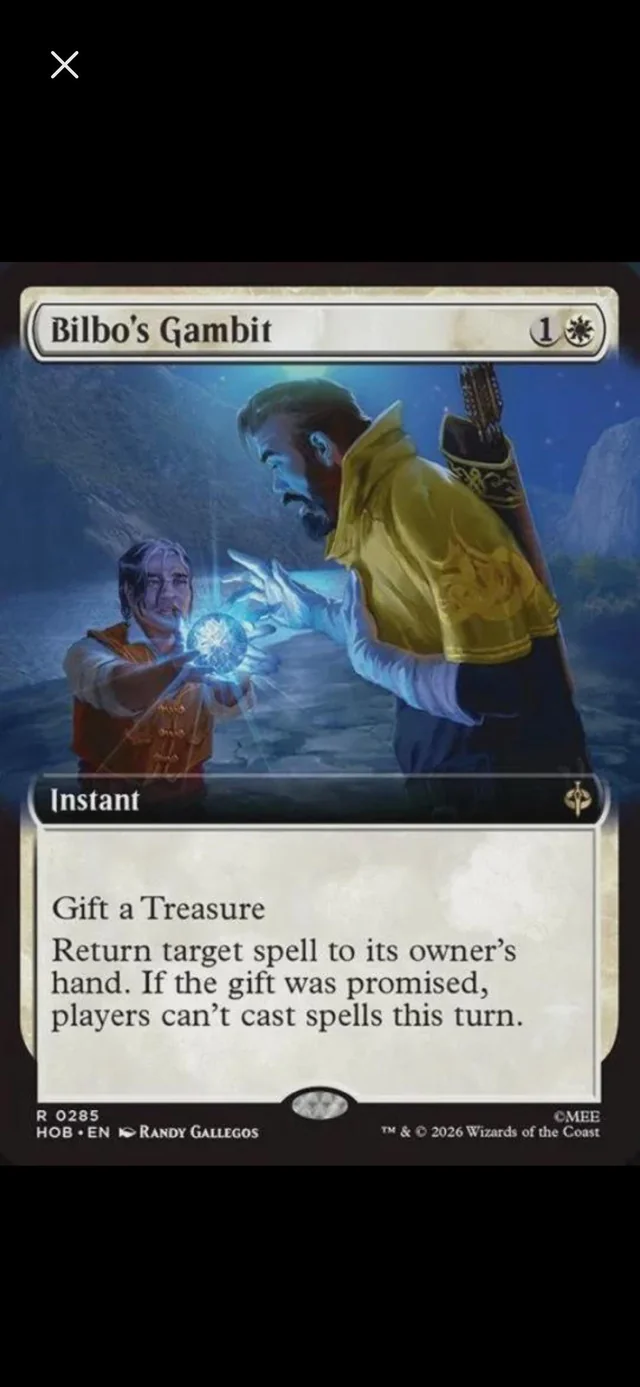
Josh Nelson’s pick is a classic for a reason: Thassa’s Oracle plus Thought Lash in a mono-blue shell led by The Reality Chip. The line works because Thought Lash’s cumulative upkeep is not just a downside, it is the lever. If you stop paying it, the card’s triggered ability exiles your library, and Thassa’s Oracle turns that empty library into a win as long as the stack stays clear.
Thassa’s Oracle plus Thought Lash is a true, early-game two-card combo, exactly the kind of compact finisher that can come online before the table is ready.
It is clean, deterministic, and built around cards that already support a blue deck’s normal game. The Reality Chip gives the shell another angle of card access, and Thought Lash gives Oracle a route to victory that does not require a clunky board state.
Ratadrabik loops reward real game pieces, not dead slots
Brian Cain’s favorite package is the kind of combo that Commander players actually remember after the game: Ratadrabik of Urborg loops built around legendary creatures that trigger when they enter or leave the battlefield. Samwise the Stouthearted is the clean example here, because his flash and Ring-tempt trigger fit naturally into the loop and help re-legendarize the token that Ratadrabik makes.
When another legendary creature you control dies, Ratadrabik makes a nonlegendary 2/2 Zombie token copy of it, and that token is where the loop starts to breathe. When Samwise enters, he returns a permanent card from your graveyard that was put there from the battlefield this turn, then the Ring tempts you. That means the loop can keep recycling permanents while also feeding the Ring trigger.
EDHREC and Commander Spellbook both catalog Samwise-based Ratadrabik lines, and Commander Spellbook lists 1,087 known Ratadrabik combos, including variants that generate infinite leave-the-battlefield triggers, enter-the-battlefield triggers, death triggers, sacrifice triggers, and mana. With the right tap outlet, the loop can make infinite mana; with Blasting Station or Altar of Dementia, it can end the game on the spot. With other pieces, it can just grind value until the board collapses under triggers.
Why Kiki-Jiki and elf-ball still belong in the conversation
Older Commander combo families still belong in the conversation: Kiki-Jiki lines, elf-ball mana engines, and other multi-card sequences that reward tight deck construction. Those shells keep showing up because they solve the same problem in different ways. Kiki-Jiki packages often lean on creature-based loops with immediate board impact, while elf-ball lists build explosive mana from creatures that are already advancing the board.
How brackets changed the conversation around two-card wins
This discussion also fits the current Commander structure better than it would have a few years ago. Wizards of the Coast’s Commander Brackets beta, announced on February 11, 2025, puts two-card infinite combos in brackets 4 and 5, and EDHREC’s bracket guide sorts play into Exhibition, Core, Upgraded, Optimized, and cEDH. That makes compact combos less of a niche deckbuilding choice and more of a clear signal about where a list sits on the power scale.
Wizards formally released the format in 2011, but it grew out of the fan-created Elder Dragon Highlander scene in the 1990s. Some players want splashy board states and social games; others want the ability to end the game through resistance. The modern brackets system just makes that divide easier to name.
This article was produced by Prism’s automated news system from verified source data, official records, and press releases, then run through automated quality and moderation checks before publishing. The system is built and supervised by the people who set the standards it runs under. Read our full AI policy.
Did this article answer your question?