Hive Mind turns Commander spells into table-wide chaos
Hive Mind looks like a meme until one spell gets copied across a Commander table. Built right, it becomes a lethal finisher that punishes greed and ends games on the spot.
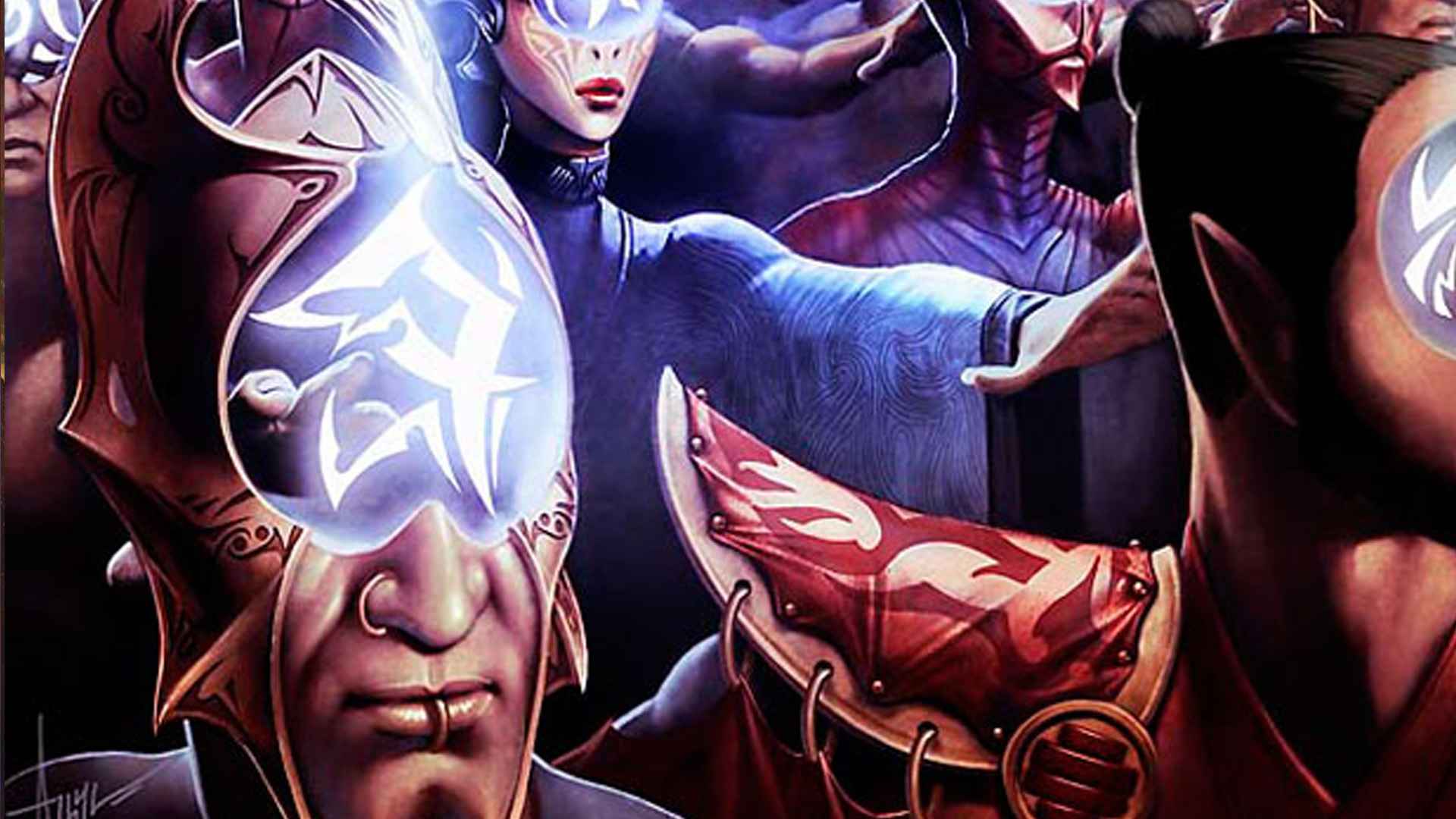
Hive Mind is the kind of card that makes a Commander table sit up straight
It reads like a chaos toy, the sort of enchantment people cast for laughs and then regret immediately. In Commander, though, Hive Mind stops being a punchline fast, because one spell becomes a table-wide event and every player has to live with the copy. That is exactly why the card has stayed dangerous for years, from old combo decks to multiplayer pods where a single instant can flip the whole game.
Commander is built for this kind of nonsense. Wizards of the Coast describes it as a 100-card singleton multiplayer format, usually for four players, with 99 cards plus one commander and games that often run about 20 minutes per player. In a format like that, a card that scales with the number of opponents is never just cute. Hive Mind turns a single cast into shared consequences, and that makes it one of the cleanest ways to weaponize the table’s own spells against it.
Why the enchantment works so well
Hive Mind copies instants and sorceries for each other player when someone casts one, and that is where the card gets genuinely ugly. A removal spell stops being a one-for-one and becomes a table-wide answer, with each player getting their own copy to point at the biggest threat in sight. Counterspells turn into stack fights where timing and priority matter far more than most casual pods expect. Even wheels change shape, becoming either huge draw bursts or mass mill effects depending on who is holding the pieces.
That rules interaction is also what gives Hive Mind its real ceiling. Wizards’ rules coverage and Oracle updates are what make those copy interactions work cleanly, and the official Gatherer entry keeps the card’s rulings in one place. In practice, the enchantment does not just duplicate value. It redistributes responsibility, which is why the table can suddenly feel like it is playing a different game.
The best shell is not the obvious spell-slinger deck
Hive Mind is at its nastiest in a deck that does not lean too hard on instants and sorceries of its own. That sounds backwards at first, but it is the key to breaking parity. If your own list is light on spell density, you get to profit from everyone else’s plays without handing the whole pod extra tools to aim back at you.

That is where the practical hate-bypass cards matter.
- Asceticism helps protect your board by giving you a way to shrug off the extra removal Hive Mind invites.
- Sundial of the Infinite can end the turn and stop opponents from resolving the copies they were about to get.
Those are not flashy choices, but they are the difference between a cute chaos piece and a card that actually keeps you ahead. Hive Mind rewards the player who thinks one step past the first copied spell.
If you want to lean into the chaos, the draw and wheel lines are real
Hive Mind does not have to be only a defensive lock piece. It can also be built as a spell-copying engine that feeds on group draw and group mill. Cards like **Vision Skeins and Windfall** push that plan hard, because every copied wheel effect multiplies the pressure on the table. The enchantment turns a normal draw spell into a shared resource squeeze, or into a mass discard event that leaves everyone scrambling.
Pure Intentions makes that line even meaner. When Hive Mind is already forcing everyone to copy a wheel, Pure Intentions lets you punish those effects further, so the table’s attempt to refuel can become part of its own problem. EDHREC tracks Hive Mind inside combo packages that run through Enter the Infinite and Windfall plus Pure Intentions lines, which tells you exactly where the card has settled in Commander culture: not as fair value, but as a build-around for finishing games.

The scariest line is still the old Pact kill
The most degenerate use of Hive Mind is the one that has been dangerous for a long time. Pair Hive Mind with a zero-mana Pact, and every opponent can be set up to lose if they cannot pay the follow-up upkeep cost. That is not a new discovery, and it is part of why the card has such a reputation. Older combo decks, including Bloom Titan in Modern, used the same basic pattern to force a loss through an unpayable trigger.
That history matters because it shows Hive Mind is not merely chaotic, it is historically proven to be lethal. The same logic can even turn Glorious End into a brutal one-player trap, since ending the turn at the wrong time can strand the player who thought they were being clever. In Commander, where politics and bluffing already shape the table, that kind of line is especially poisonous. One card can create a situation where the game is no longer about board state, but about who can survive the follow-up trigger.
Why this card feels so current in Commander
Wizards has made a point of saying Commander is now the largest format in Magic, and in a February 9, 2026 update it noted that the format serves many different play styles. That tension is exactly where Hive Mind lives. Some tables want it as a silly political centerpiece, others treat it like a deterministic combo engine, and both readings are valid because Commander now has room for both.
The creation of the Commander Format Panel also says a lot about where the format is headed. Since Wizards took over management from the Commander Rules Committee and assembled the panel to help steer the format, the game has only become more sensitive to cards that create wildly different experiences depending on power level. Hive Mind is one of those cards. It can be goofy group slug theater, or it can be the cleanest path to a sudden, brutal finish.
That is why Hive Mind lands so well in Commander right now. It looks like a joke until the first spell gets copied, and then the whole table is suddenly doing the math. If you build for parity breaks, respect the stack, and know when the Pact line is live, Hive Mind stops being a meme and becomes exactly what its reputation promises, a weird win-con you can actually play.
This article was produced by Prism’s automated news system from verified source data, official records, and press releases, then run through automated quality and moderation checks before publishing. The system is built and supervised by the people who set the standards it runs under. Read our full AI policy.
Did this article answer your question?