Mageta the Lion turns white card draw into a near-lock board wipe
Mageta looks like a relic until white card draw turns him into a command-zone wrath machine. Built right, he stops being nostalgia and starts feeling like a budget prison commander.
A forgotten legend with a very modern job
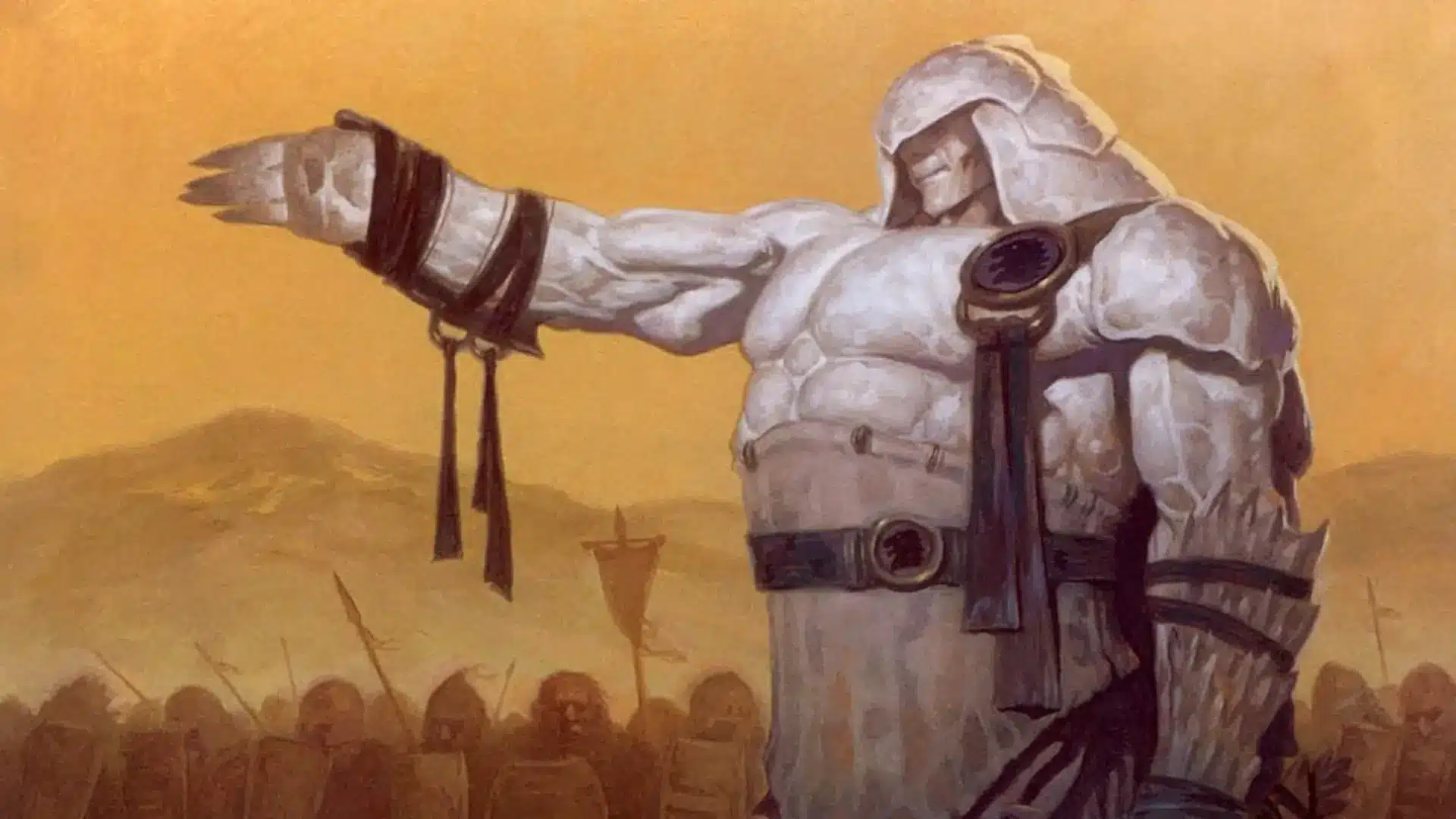
Mageta the Lion reads like a card from another era because he is one. He first appeared in Prophecy, Wizards’ 2000 set, and he carries the old-school Legendary Creature, Human Spellshaper identity that predates Commander’s rise. That distance from the format’s modern staples is exactly what makes him interesting now: the card does not need flashy text to matter when the command zone already gives him repeat access.
The core idea is brutally simple. Mageta can sweep the board from the command zone, and with enough support he stops being a one-shot reset and becomes a repeatable plan. Left alone, he is already annoying in a casual pod because he can clear the table on a regular rhythm and leave only himself behind. Add enough card flow, and the wipe stops arriving every other turn and starts happening every turn.
Why the command zone changes everything
Commander is built for this kind of experiment. The format uses 99 cards plus 1 commander card, starts each player at 40 life, and lets you recast your commander from the command zone for an additional two mana each time it has already been cast that way. It is also a multiplayer format that pulls from across Magic’s history, which is why a card from Prophecy can suddenly look like a control shell centerpiece instead of a forgotten rare.
Mageta is especially suited to that structure because the command zone turns him into a renewable threat. Instead of trying to draw one specific wrath effect from a 99-card library, you can keep returning to the same repeatable engine and force the table to play on your terms. In practice, that means the deck does not need to win the game quickly to dominate it, as long as it can keep Mageta active and keep the hand stocked enough to pay his cost.
The white card draw problem got a lot better
This deck only works if white can keep up on cards, and that is where the modern upgrade matters most. Mark Rosewater wrote in August 2024 that white now gets more card-drawing build-arounds, often limited to one card per turn, as part of the broader effort to preserve color pie identity while giving white more functional tools. That shift matters here because Mageta is exactly the kind of commander that wants small, steady card flow rather than explosive refill.

Two clean examples do a lot of the heavy lifting. Mangara, the Diplomat and Secret Rendezvous both help white keep cards moving, which is enough to keep Mageta’s activation online turn after turn. Once the deck can reliably replace what it spends, the commander stops looking like an expensive inconvenience and starts looking like a lock piece with a wrath stapled to it.
Turning the discard into value instead of pain
Mageta asks you to pay with cards, so the deck should treat that payment as part of the engine, not a tax. Monument to Endurance fits naturally here because it rewards the exact kind of hand churn Mageta creates. Instead of trying to protect every card in hand, you lean into the discard pattern and turn the commander’s activation into a resource loop.
That same logic makes white recursion especially attractive. Resurrection brings creatures back after the board gets wiped, and Restoration Seminar offers a newer way to rebuild after each reset. The point is not just to survive your own sweeper, but to come out ahead because your deck is already prepared to recover while everyone else is still rebuilding from zero.
Breaking parity is what separates the real deck from the joke build
A Mageta deck that only resets the board is annoying. A Mageta deck that keeps its own battlefield intact while everyone else keeps starting over is oppressive. That is where the protection package comes in, with Selfless Spirit and Flawless Maneuver doing exactly what a control shell wants them to do: let your board survive the fallout of your own plan.
The nastiest version pushes even harder on asymmetry. A stax shell built around Rule of Law and Authority of the Consuls makes it harder for opponents to rebuild, while Mageta keeps the table empty enough for those pieces to matter. If you want to be especially cruel, indestructible threats like Zetalpa, Primal Dawn and Avacyn, Angel of Hope let your side of the board ignore the chaos entirely. That is the real breakpoint for the deck: once your threats survive the sweep and your opponents cannot recover efficiently, the “repeatable wrath” line becomes a near-lock.

What the existing deck data says
This is not just theorycrafting for the sake of a cute old legend. EDHREC currently lists Mageta the Lion as a commander in 479 decks, and the site tags those builds with reanimator, equipment, voltron, and control themes. That spread says players are already exploring him from multiple angles, even if the control and prison path is the one with the clearest logic.
The fact that Mageta shows up in that many decks also says something about the current white card pool. Older mono-white legends used to depend on a much thinner support system, but modern Commander gives them more room to breathe. Mageta benefits from that shift more than most because his plan is so clean: draw cards, keep the wrath coming, and make sure your own battlefield survives the reset.
So is Mageta real, or just nostalgic?
He is real, but he is not casual in the sentimental sense. Mageta the Lion works when you build him like a control commander first and a creature second, with draw, recursion, and protection all pointed toward the same oppressive end state. If you want a budget-minded commander that can still feel like a hard turn for creature decks, he has a legitimate case.
That is the hidden power of an old legend like Mageta. He comes from the era when Magic was still figuring out what legendary creatures were for, yet Commander rewards exactly the kind of repeatable pressure he creates. Once white card draw keeps the hand full, the forgotten lion stops feeling quaint and starts feeling like the table has already seen the last creature it is allowed to keep.
This article was produced by Prism’s automated news system from verified source data, official records, and press releases, then run through automated quality and moderation checks before publishing. The system is built and supervised by the people who set the standards it runs under. Read our full AI policy.
Did this article answer your question?