Amsterdam magnet fishing uncovers 20-year-old passport, camera, and cash
A 20-year-missing passport surfaced in an Amsterdam canal with a camera and cash, turning one magnet-fishing pull into a recovery story.
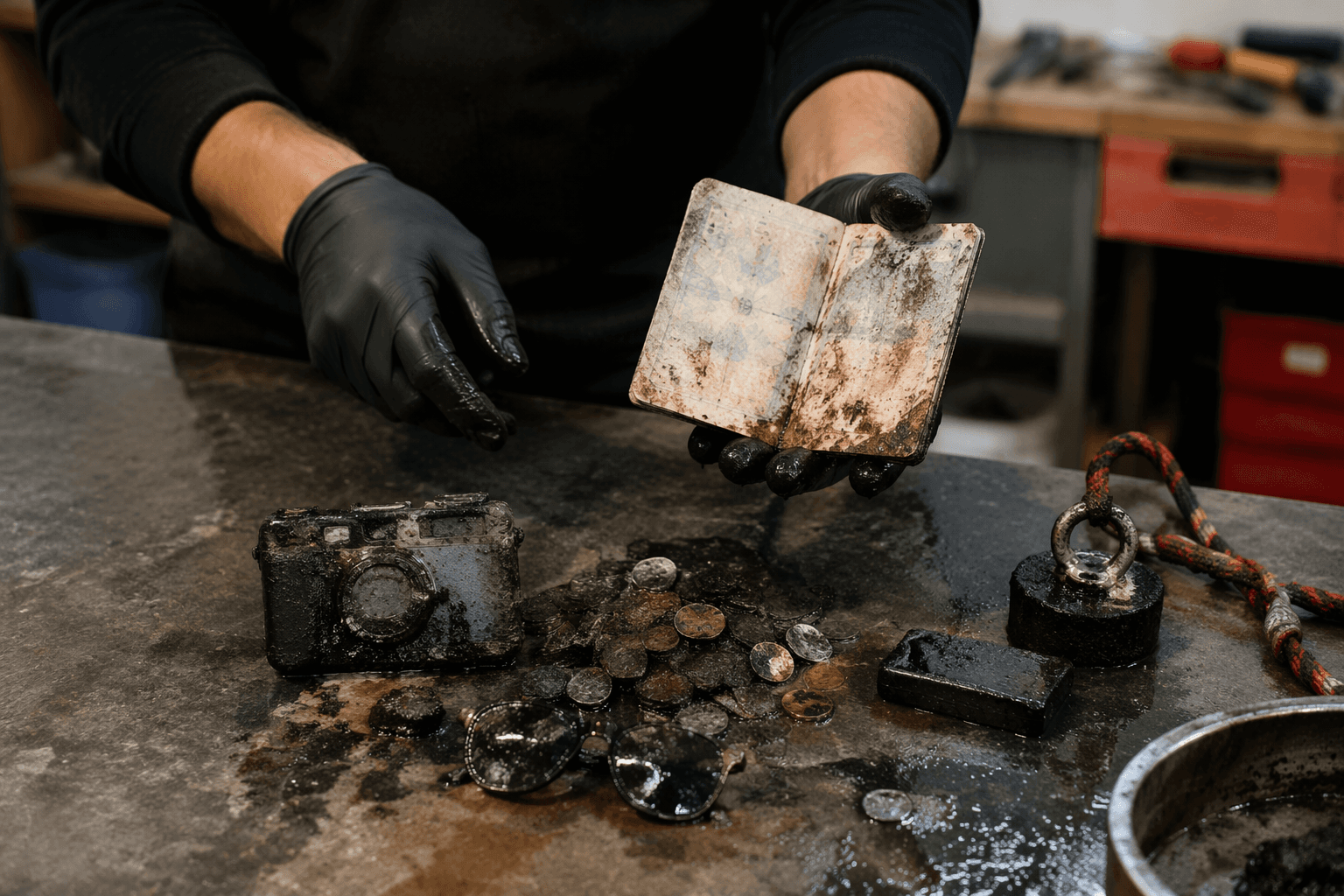
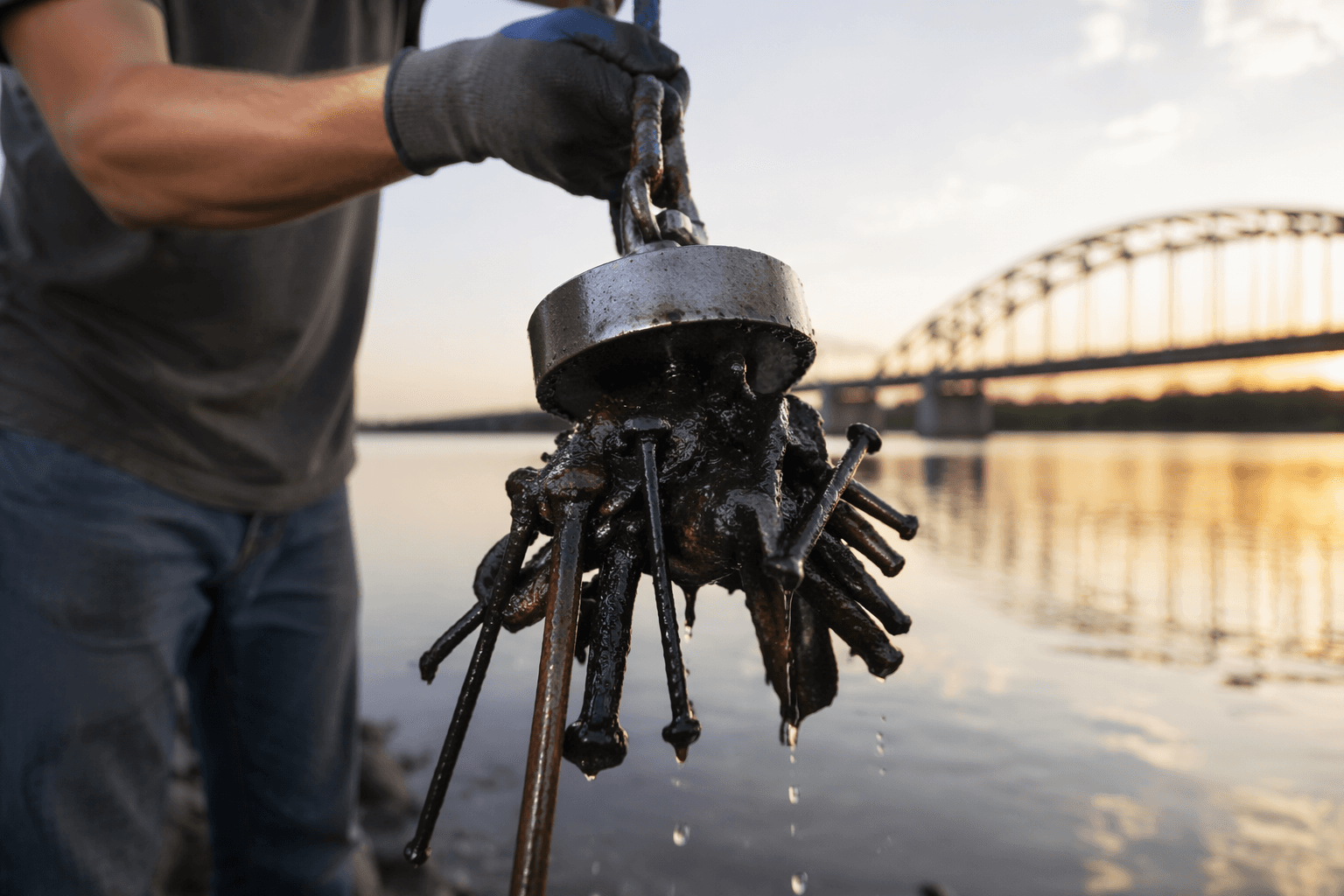
A passport that had been missing for 20 years is the kind of find that changes the whole mood of a magnet-fishing session. In Amsterdam, that pull came up with a camera, money, and other small valuables, turning a canal drag into something closer to a recovered life than a pile of scrap.
The appeal here is not just the age of the loss. A passport carries identity, travel history, and the ghost of a trip that ended with a slip into the water. Add the camera and cash, and the haul stops looking random. It starts to read like a compact archive of ordinary things that fell out of pockets, bags, or boats and settled into the mud for years. That is why Amsterdam keeps drawing magnet fishers back to the same waterways.
Bondi Treasure Hunter, led by Leigh and Remon Baan, has spent enough time in Amsterdam to make the city sound like a magnet-fishing pressure cooker. One spot, the channel says, has yielded "over 60 safes" along with bikes, guns, scooters, and tonnes of treasure over the years. The same crew has also posted Amsterdam pulls that included a stolen wallet and two safes, which tells you the canals are not just full of junk. They are full of lost objects with stories attached.
That is what makes the passport haul stand out. Safes are dramatic, but a passport and a wallet hit differently because they feel traceable to one person and one moment. In a city like Amsterdam, where the canals run through dense neighborhoods, tourist traffic, nightlife, and old transport routes, the water acts like a holding tank for whatever drops in and never gets retrieved. Amsterdam’s own maps and open-data portals underline how deeply the waterways are woven into the city’s infrastructure, which helps explain why these recoveries keep happening.
There is a practical side to that, too. If a magnet drag brings up a passport, wallet, ID card, or anything that looks like an official document or a traceable valuable, treat it as a recovery, not a trophy. Keep the item dry if possible, note the exact spot where it came up, and hand it over to the proper local authority or lost-property channel instead of pocketing it. In the Netherlands, magnet-fishing rules can vary by municipality and by location, and protected areas can restrict the hobby entirely, so the safest move is always to know the local rules before the rope goes in.
That is the real hook of the Amsterdam pull. A passport lost for 20 years does not just prove the magnet was strong enough to haul up the past. It shows why the canals still feel like a living archive, one pass at a time.
This article was produced by Prism’s automated news system from verified source data, official records, and press releases, then run through automated quality and moderation checks before publishing. The system is built and supervised by the people who set the standards it runs under. Read our full AI policy.
Know something we missed? Have a correction or additional information?
Submit a Tip