Best Home Tools guide ranks heavy-duty magnet fishing magnets for serious salvage
The smartest upgrade is not the biggest magnet, it is the one that fits the water, the snag risk, and the metal you actually pull.
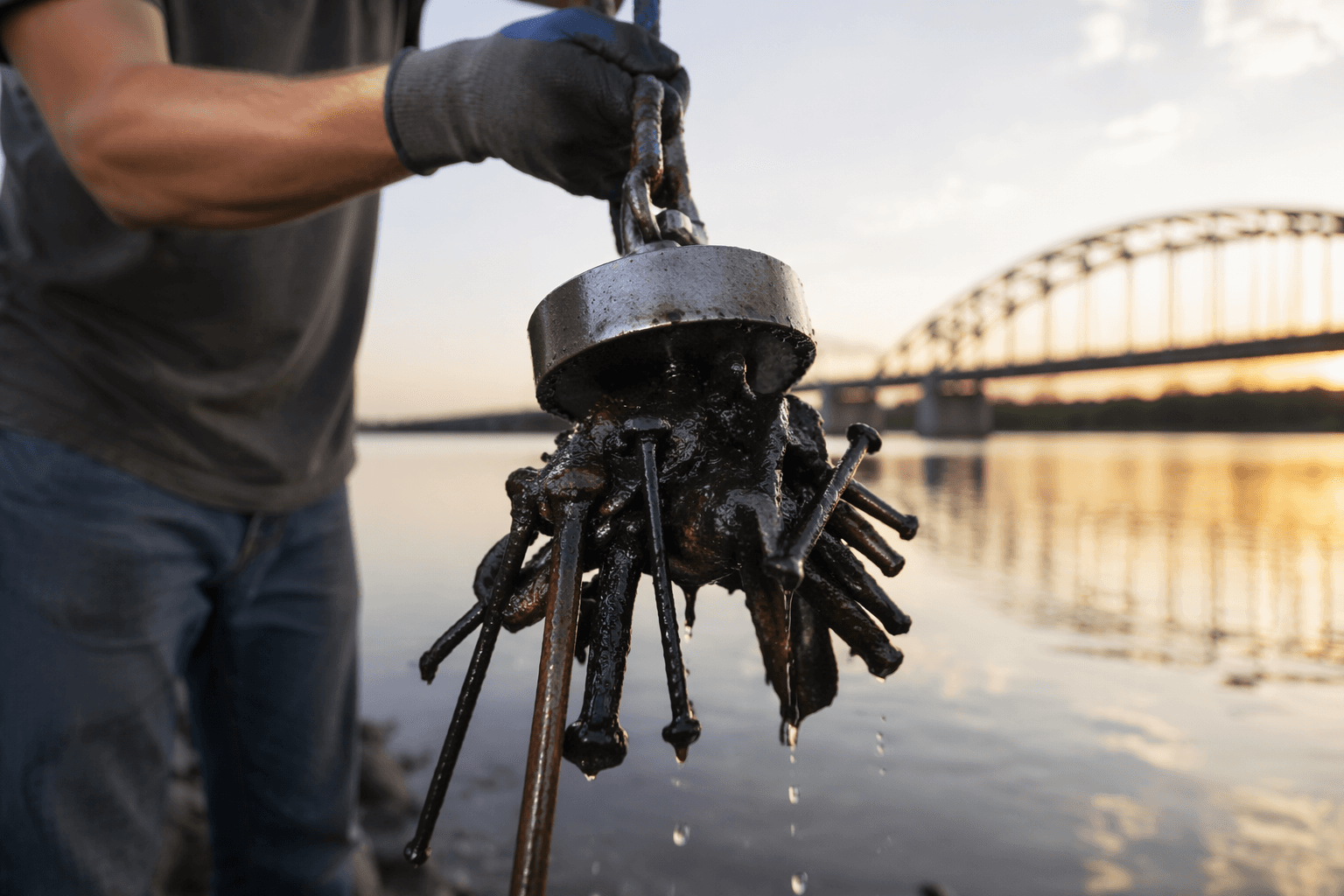
Best Home Tools strips magnet fishing down to the question that matters: what actually works when you are hauling from canals, rivers, and bridge drops, not just shopping by the biggest number on the box. The guide pushes serious hobbyists toward heavy-duty magnets, but it does not pretend brute force solves everything. In real water, handling, coatings, and accessories can matter just as much as pull strength.
Pull force is only the starting point
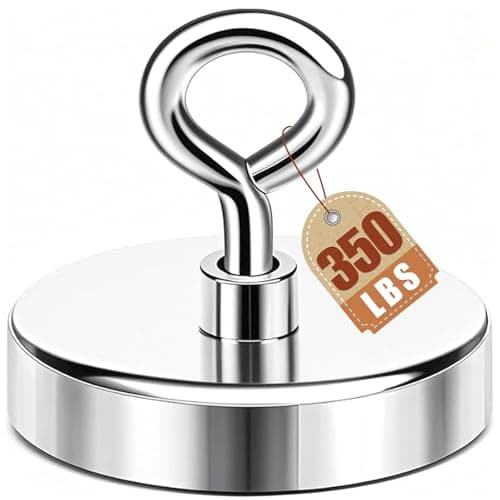
The clearest takeaway is that pull force is a filter, not a verdict. A 350 lb magnet can make sense when you want something portable and manageable, while a 1,700 lb-plus head starts making sense only when the target, the depth, and the bottom conditions justify the extra muscle. The guide keeps coming back to the same warning: the stronger the magnet, the more important control becomes, because a hard snag can turn a good cast into a problem fast.
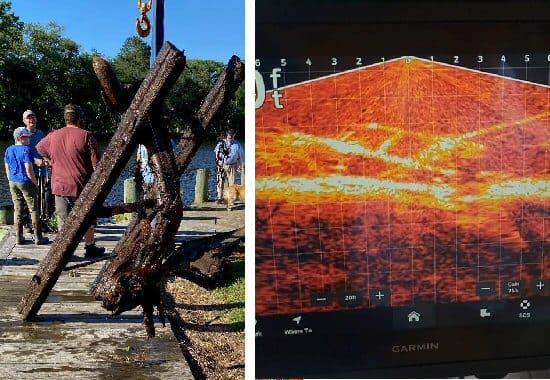
That is where a lot of marketing falls apart. A giant pull rating looks impressive, but in the field you are dealing with mud, broken concrete, bridge pilings, weeds, and metal that is not sitting flat. If the setup is too aggressive for the water, you can waste casts, lose targets, or damage gear before you ever get to the find.
How the five picks break down in real use
The compact end of the guide starts with the DIYMAG 2-inch magnet rated at 350 lbs. That is the sort of tool you reach for when you want light to mid-range salvage without lugging around a monster setup. It fits the idea of a nimble magnet that can still do real work, especially when you are cleaning up smaller ferromagnetic junk instead of fighting the bottom.
At the other end, the Magnetpro Fishing Magnet is listed at more than 1,700 lbs and gets treated like a serious heavy-duty tool. Its CNC-machined base and eyepoint are the details that matter here, because they suggest a build aimed at larger, flatter metal objects rather than random scrap that disappears into the muck. This is the kind of magnet that starts to make sense when the recovery problem is bigger than casual cleanup.
The FINDMAG 1,000 lb kit sits in a more practical middle ground. The guide frames it as a ready-to-use river and lake salvage bundle, which matters because a lot of magnet fishers do not need just raw force, they need a setup that is ready to throw without a separate trip to buy rope or extra hardware. For everyday water work, that convenience can be worth more than chasing the highest pull number.
The 2,000 lb Heavy Duty Fishing Magnet is the extreme-salvage option in the bunch. Its 360-degree coverage and N52 magnets are the sort of specs that signal maximum bite, but they also point to the trade-off the guide keeps stressing: more grabbing power means more caution. This is the magnet you would only reach for when the retrieval challenge justifies the risk, not when you are casually clearing a pond edge.
The 1320LB Complete Magnet Fishing Kit is the most straightforward all-in-one bundle. It pairs the 1,320 lb magnet with rope, grappling hook, carabiner, gloves, and carry case, which makes it the most obviously starter-friendly package for someone moving past a basic kit. The value here is not just the magnet itself, but the fact that the whole setup is designed for actual water use instead of leaving you to build the rest piece by piece.
Single-sided and double-sided thinking matters more than the box claim
What matters in the field is not whether a package sounds intense, but whether the shape of the tool fits the job. A more compact, single-sided style tends to be easier to place and easier to control when you are probing narrow spots or working around bridge structure. A broader, double-sided or 360-degree coverage design gives you more chance to catch metal, but it also raises the odds of a stubborn snag when the bottom is ugly.
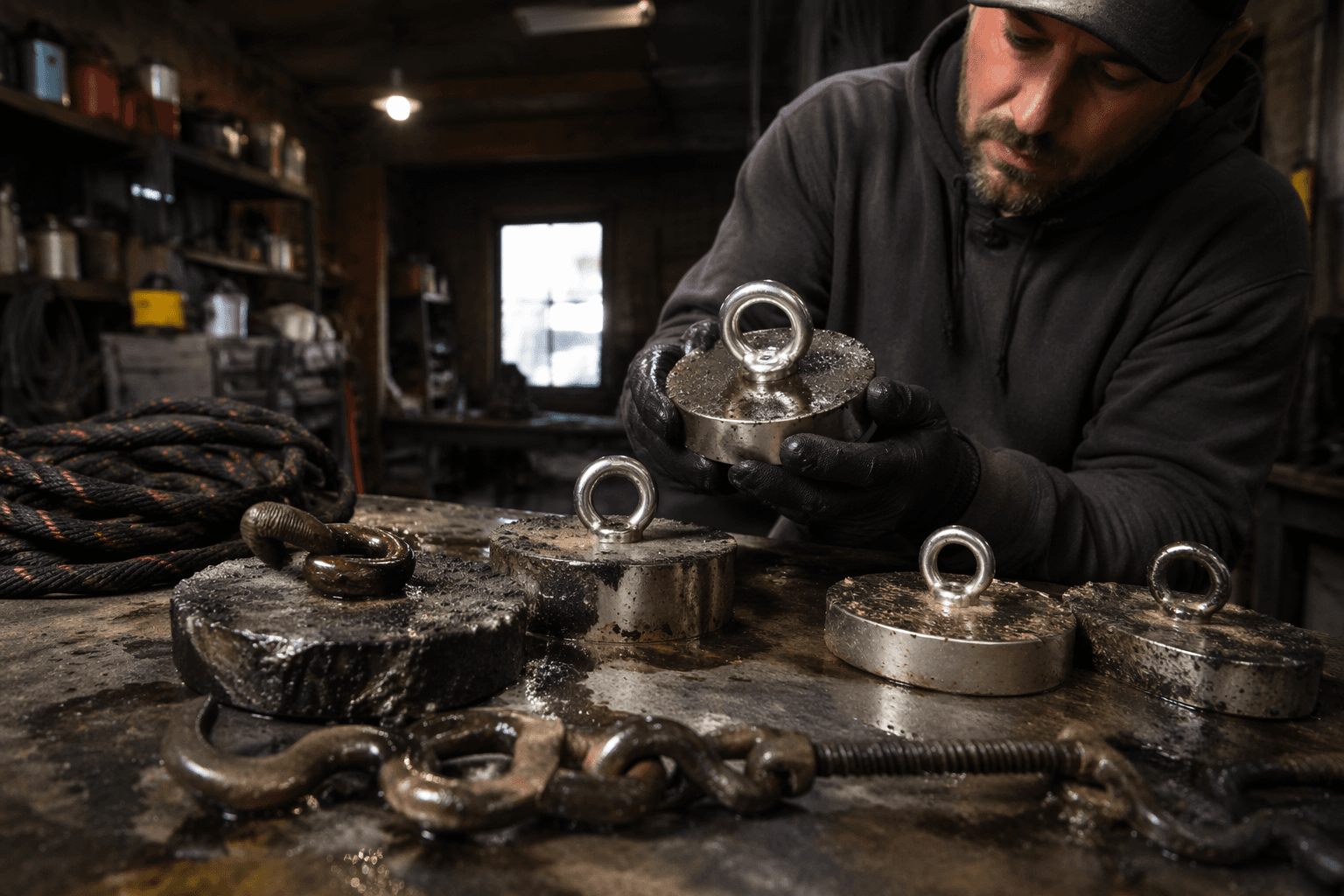
That is why the guide’s logic is so useful for canals, rivers, and bridge drops. Narrow water and controlled casts reward a magnet that stays obedient on the rope. Ugly bottoms, broken debris, and heavier salvage justify more coverage and more pull, but only if you are ready for the consequences when the magnet bites harder than you planned.
The gear around the magnet is part of the decision
The guide is right to treat accessories as part of the purchase, not an afterthought. Rope, grappling hook, carabiner, gloves, and a carry case turn a magnet from a neat idea into a usable kit, especially if you are launching from awkward banks or working from a bridge. A magnet that is strong but poorly supported is not a better buy than a slightly smaller magnet that comes with the right recovery gear.
Rust protection and durable coatings belong in the same conversation. Magnet fishing is hard on gear, and a tool that starts shedding quality after a few wet sessions is a false economy. If you are moving up from starter kits, the real target is a setup that survives repeated casts, not one that only looks impressive on day one.
The rules are part of the hobby, whether you like them or not
Serious salvage also means knowing what happens after the magnet comes up with more than scrap. In the United Kingdom, wreck material recovered from water must be reported to the Receiver of Wreck within 28 days, and failing to do that can lead to a £2,500 fine. The Treasure Act 1996 and its code of practice also shape how treasure finds are handled, which means the legal side of magnet fishing is not a footnote.
Public-land rules can be just as strict. Cape Hatteras National Seashore defines magnet fishing within its park rules, Portsmouth City Council generally does not allow it on land it owns, manages, or tenants unless it is part of an approved research program, and the Broads Authority allows it at its 24-hour moorings at the participant’s own risk while still requiring landowner permission on private land. The serious angler does not just pack a stronger magnet, they learn where that magnet is allowed to touch bottom.
Why the bigger finds keep the hobby on the map
There is a reason magnet fishing attracts more than scrap hunters. Smithsonian Magazine reported a magnet fisher pulling a Viking sword from an English river in March 2024, and the weapon was dated to between 850 and 975. That kind of recovery is why submerged sites and shipwrecks are treated as archaeological resources, not just convenient places to find metal.
Ghost gear adds another layer to that story. Smithsonian has described abandoned fishing gear as a major hazard to wildlife and ecosystems, which gives cleanup-minded magnet fishing a real purpose beyond the thrill of pulling up something strange. The hobby sits in a strange middle ground, part salvage, part cleanup, part accidental archaeology.
That is why the smartest upgrade is not the heaviest magnet in the catalog. It is the one that matches the water, respects the snag risk, and comes with the setup to handle the pull when the bottom finally gives it up.
This article was produced by Prism’s automated news system from verified source data, official records, and press releases, then run through automated quality and moderation checks before publishing. The system is built and supervised by the people who set the standards it runs under. Read our full AI policy.
Know something we missed? Have a correction or additional information?
Submit a Tip