Bondi guide makes magnet fishing kit setup simple and safer
A Bondi kit can be water-ready fast if you lock the eyebolt, clip the rope, and start with gloves on. The real win is a first outing that feels simple instead of improvised.

How Bondi turns a first magnet fishing kit into a safer, faster launch
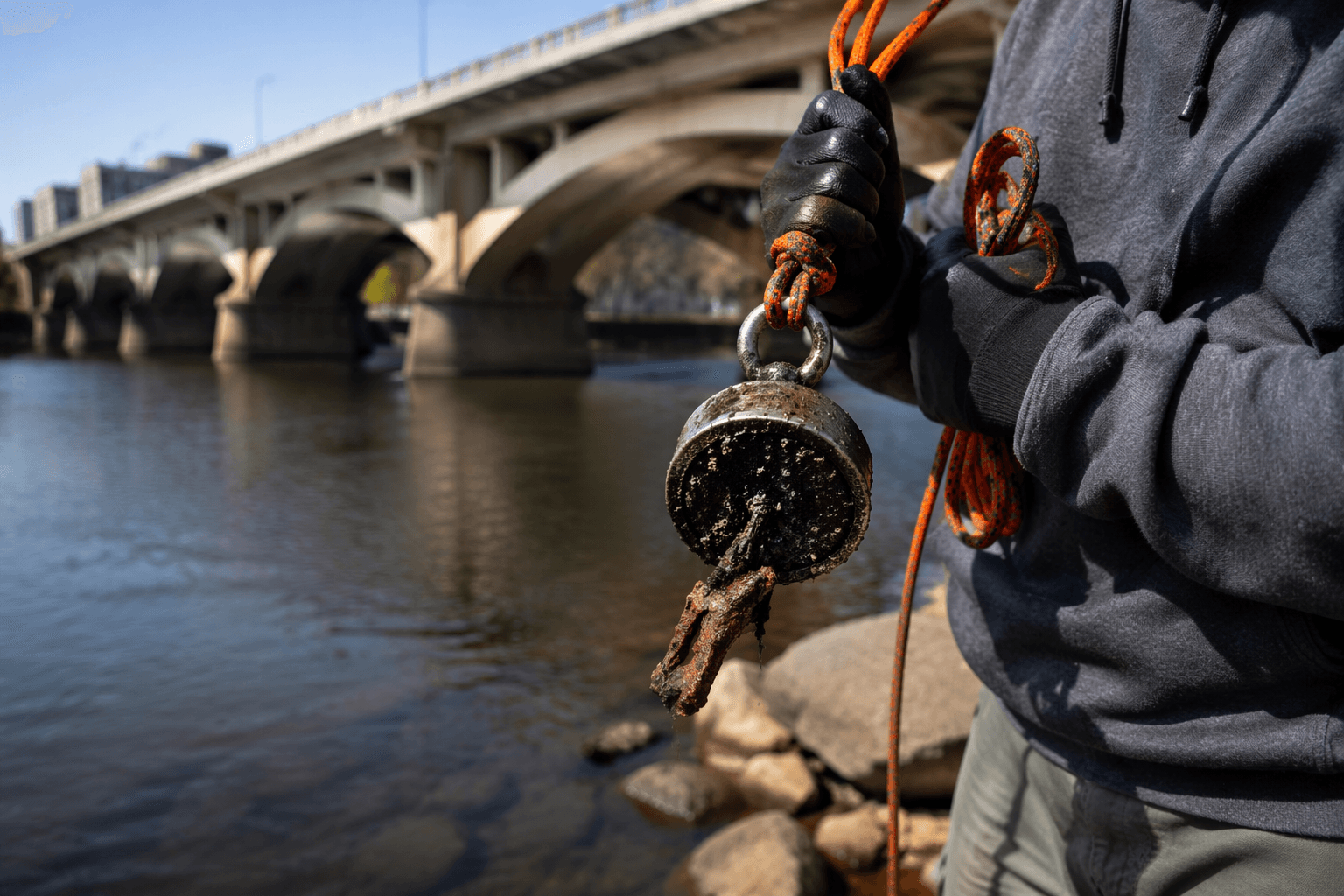
A Bondi magnet fishing kit can go from box to water in under 15 minutes if you do the setup in the right order. Put the gloves on first, lock the eyebolt with Loctite, and clip the rope with carabiners instead of fighting a bad knot, and the whole thing stops feeling like a project and starts feeling like gear that is actually ready to fish.
Start with safety before you touch the magnet
The first move is not glamorous, but it matters more than anything else in the box: gloves on before you handle the magnet, and the setup done outdoors, away from loose metal. Magnet fishing magnets are extremely strong, and they can snap onto steel without warning, which is how small mistakes turn into painful ones. The U.S. Consumer Product Safety Commission warns that high-powered magnets can be swallowed and cause severe internal injury or death, including blockages, perforations, infection, blood poisoning, and death if they attract to each other or to another metal object in the digestive system.
That warning is why the Bondi approach feels practical instead of overbuilt. The kit is meant to remove the guesswork, but it still treats the magnet like serious equipment, not a toy. If you set it up inside a garage full of tools or a shed with metal shelving, you are making the first step harder than it needs to be.
The Bondi kit is designed to be ready out of the box
Bondi’s guide says the kit arrives with a protective golden cover already installed, so there is no tool-heavy assembly routine to wrestle with. That is the difference between a beginner-friendly kit and a pile of parts that eats your afternoon. You are not building a system from scratch, you are just securing the few pieces that need to stay put.
The one extra step Bondi calls out is applying Loctite to the eyebolt so it locks securely into place. That is the kind of detail beginners often skip, then regret later when a connection loosens at the worst possible time. If your first outing is supposed to be about learning the water and not babysitting hardware, this is the step that keeps the kit honest.
Use the rope hardware the easy way
Bondi routes the rope attachment through carabiners rather than knots, and that is exactly the right call for a first trip. Knots can slip, jam, or simply be tied badly under pressure, and a bad knot is the sort of mistake that ruins confidence before you ever get a magnet wet. Carabiners make the connection more straightforward and give you a cleaner setup from the start.
That simpler attachment method also fits the way beginners actually use this hobby. You want fewer failure points, less fiddling, and a clear sense that each part has a job. The rope, the eyebolt, and the magnet should work as a team, not as a test of whether you remembered the right knot under pressure.
Do not ignore the cover, bucket, and grappling hook
Bondi’s foam travel cover is more than packaging fluff. It protects the magnet during transport and helps keep nearby objects safer when the gear is being moved around, which matters when you are loading and unloading in tight spaces. The cover is one of those small pieces that feels optional until it prevents a very avoidable problem.
The bucket also earns its place in the kit. Bondi treats it as more than a container, because it can carry gear, hold scrap, and even help rinse equipment afterward. That is useful on a hobby where finds can come out muddy, wet, sharp, or just plain filthy.
Then there is the grappling hook, which Bondi includes for the awkward recoveries the magnet alone cannot solve. It is the right tool for non-magnetic items like bikes, trolleys, safes, and suitcases. If you have spent any time around magnet fishing, you already know the magnet does not always win the battle, and that is where the hook earns its keep.
The hobby is a cleanup tool as much as a treasure hunt
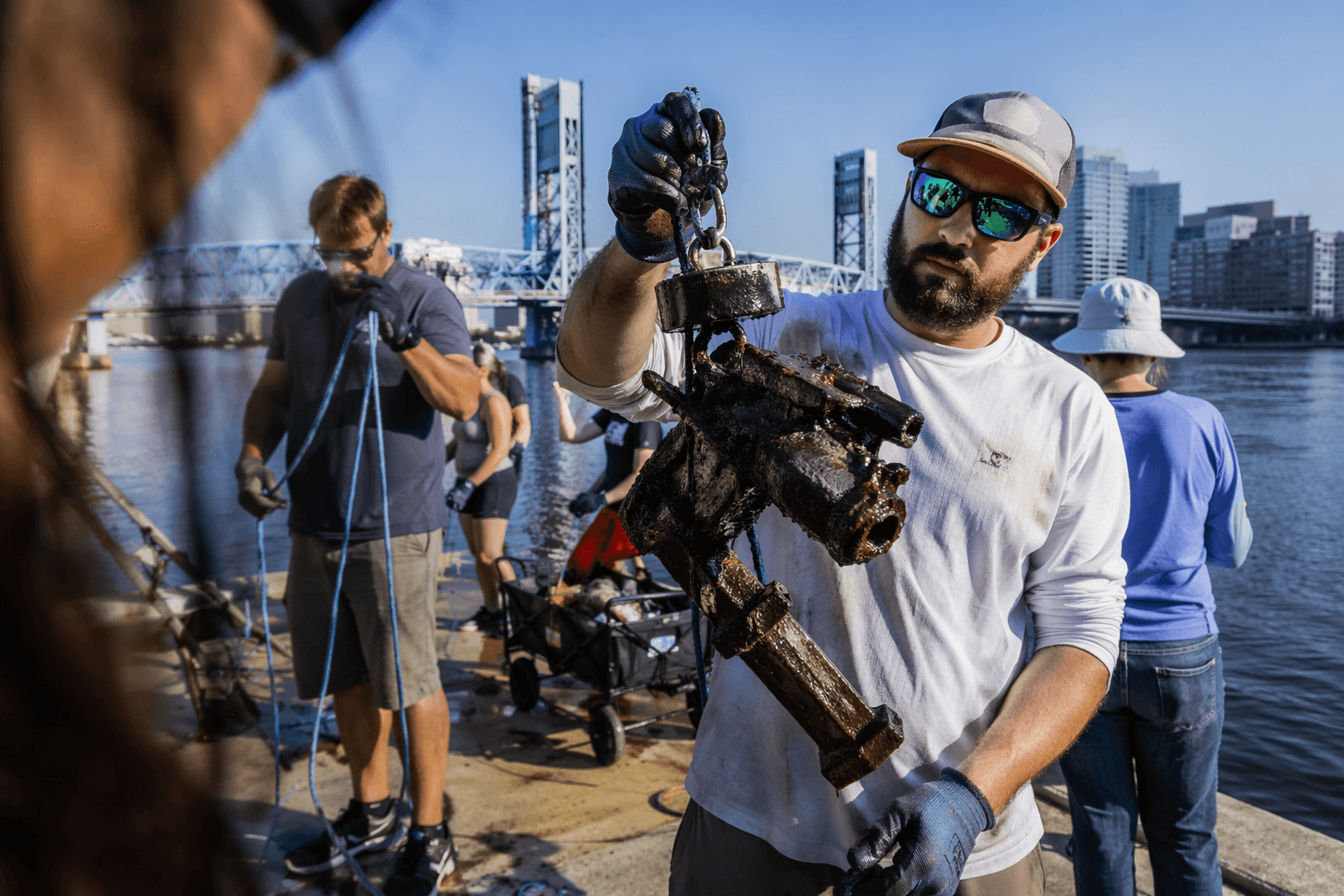
Magnet fishing took off in Europe in the early 2000s, and that mix of treasure hunt and cleanup activity still explains its appeal. You are not just chasing valuables. You are also pulling scrap out of waterways and, in many cases, deciding whether to scrap, donate, or keep what you haul up. That practical side is part of the culture, and it is why the right kit matters so much.
The finds can be dramatic, too. In Queens, James Kane and Barbie Agostini made headlines in June 2024 after pulling up a safe containing about $100,000 in damaged cash. Washington, D.C. reporting has also highlighted magnet fishers recovering dozens of electric scooters from the Anacostia River. Those stories are fun until you remember that every promising pull can also be heavy, awkward, or tied to police attention.
Know the legal lines before you start pulling hard
The legal backdrop matters because magnet fishing can run straight into property rules, environmental rules, and underwater-heritage protections. South Carolina’s Underwater Antiquities Act protects underwater artifacts and related material, and Virginia law says underwater historic property is preserved and protected as Commonwealth property. That means a find is not always just a find.
This is why a proper kit is about more than convenience. Gloves, rope hardware, storage, and retrieval tools help you handle whatever comes up without improvising in the moment. When a hobby can produce scrap metal, sharp edges, soaked gear, or legally sensitive objects, the safest setup is the one that assumes the next pull could be the odd one.
Bondi gets the basic lesson right: if the kit is assembled carefully, the first trip stops looking like a tangle of parts and starts looking like a usable system. Gloves on, eyebolt locked, rope clipped, cover in place, and the magnet is ready to do its job without turning setup into the hard part.
This article was produced by Prism’s automated news system from verified source data, official records, and press releases, then run through automated quality and moderation checks before publishing. The system is built and supervised by the people who set the standards it runs under. Read our full AI policy.
Know something we missed? Have a correction or additional information?
Submit a Tip