Indiana DNR sets permit rules for magnet fishing on public land
Indiana DNR now treats magnet fishing like a permit activity, not a free-for-all. The big catches are hand-carried magnets, free site permits, and quick reporting of dangerous finds.
What changed on DNR land
Indiana DNR has drawn a clear line around magnet fishing on its properties: if you want to drop a magnet into public waters on DNR land, you need permission first. That is a lot stricter than the casual “just toss it in and see what comes up” mindset many magnet fishers bring to the hobby, and it turns site access into the first hurdle, not the last. The agency has also folded magnet fishing into its official fishing-topic resources, which makes the rules feel less like an offhand warning and more like a formal part of how these properties are managed.
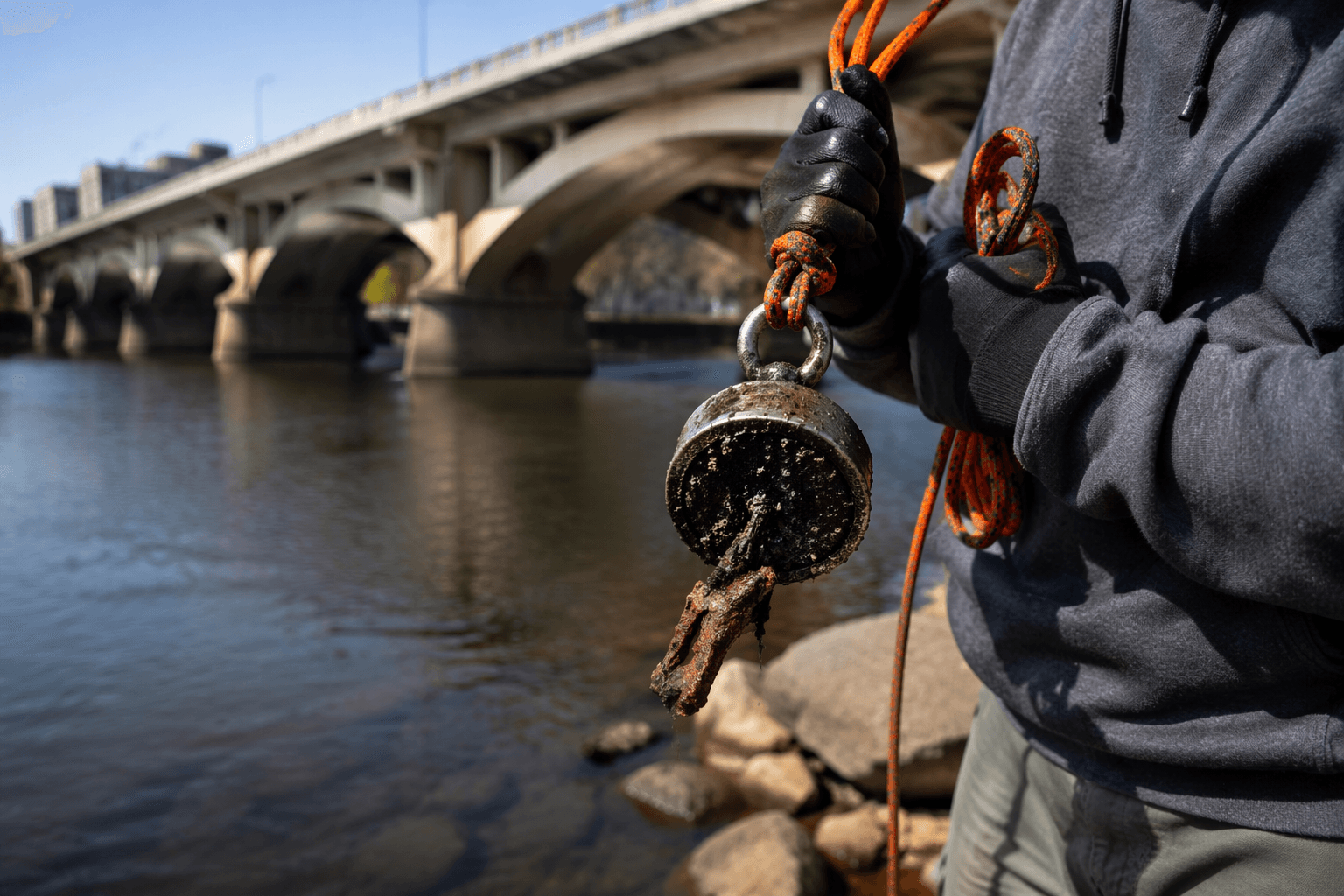
The core idea is simple enough. Magnet fishing means attaching a strong magnet to sturdy rope, casting it into a lake or river, and dragging it along the bottom to recover lost or discarded metal objects. Wheel rims, bicycles, and keys are the kind of finds people expect. What changed is the state’s view of the risks around that search, especially as the hobby has gotten more popular over the last two years.
Where you can actually do it
This is not a blanket green light across Indiana. The DNR guidance applies only to properties owned, managed, or leased by Indiana DNR. If you are headed to a city park, a national park, or private property, you need to check with the correct land manager before you even think about tossing a line. That distinction matters because magnet fishers often assume water is water and access is access. Under Indiana’s rules, it is not.
Even on DNR properties, the activity is limited to public waters and depends on the property office saying yes. The state says magnet fishing is allowed only by permit, and those permits are issued at the discretion of individual properties. In other words, the answer can vary from one site to the next. A spot that looks perfect on a map may still be off-limits if the property office does not approve your request.
How the permit works
The permit itself is free, but it is not automatic. You have to contact the relevant property office to request one, and that office decides whether to issue it. That is the detail that most likely trips people up, because “free” does not mean “unrestricted.” It means you do not pay for the permit, but you still need the property office to sign off before you fish.
That process makes site-specific permission as important as your magnet strength. A bigger magnet does not get around the rules, and a better rig does not replace the permit. Indiana first announced these magnet fishing rules in a broader 2022 property-rule update, and later reporting said the agency described the hobby’s popularity as having “skyrocketed.” That growth is part of why the permit structure exists at all.
The hand-carry rule is a big one
One of the most surprising restrictions is also one of the simplest: magnets used on DNR properties must be carried and retrieved by hand, without motorized equipment. If your setup depends on mechanical reels or other powered gear, that is not what the DNR wants on its land.
That matters because some of the messiest problems come from larger, more aggressive rigs. The DNR has pointed to sediment being stirred up by big magnets that rely on mechanical reels, and that is not just an aesthetic issue. It is a water-quality concern. For a hobby built around pulling unknown metal from the bottom, Indiana’s rule is basically a reminder that the bottom is part of the environment too, not just your search zone.
What the DNR expects you to leave behind
The state is not telling magnet fishers to stop enjoying the hobby. It says it supports outdoor recreation, but wants activities to stay safe and compatible with other visitors and with the condition of public land. That shows up in the cleanup expectations: carry out and dispose of finds correctly, rinse the shoreline when you are done, and respect other users.
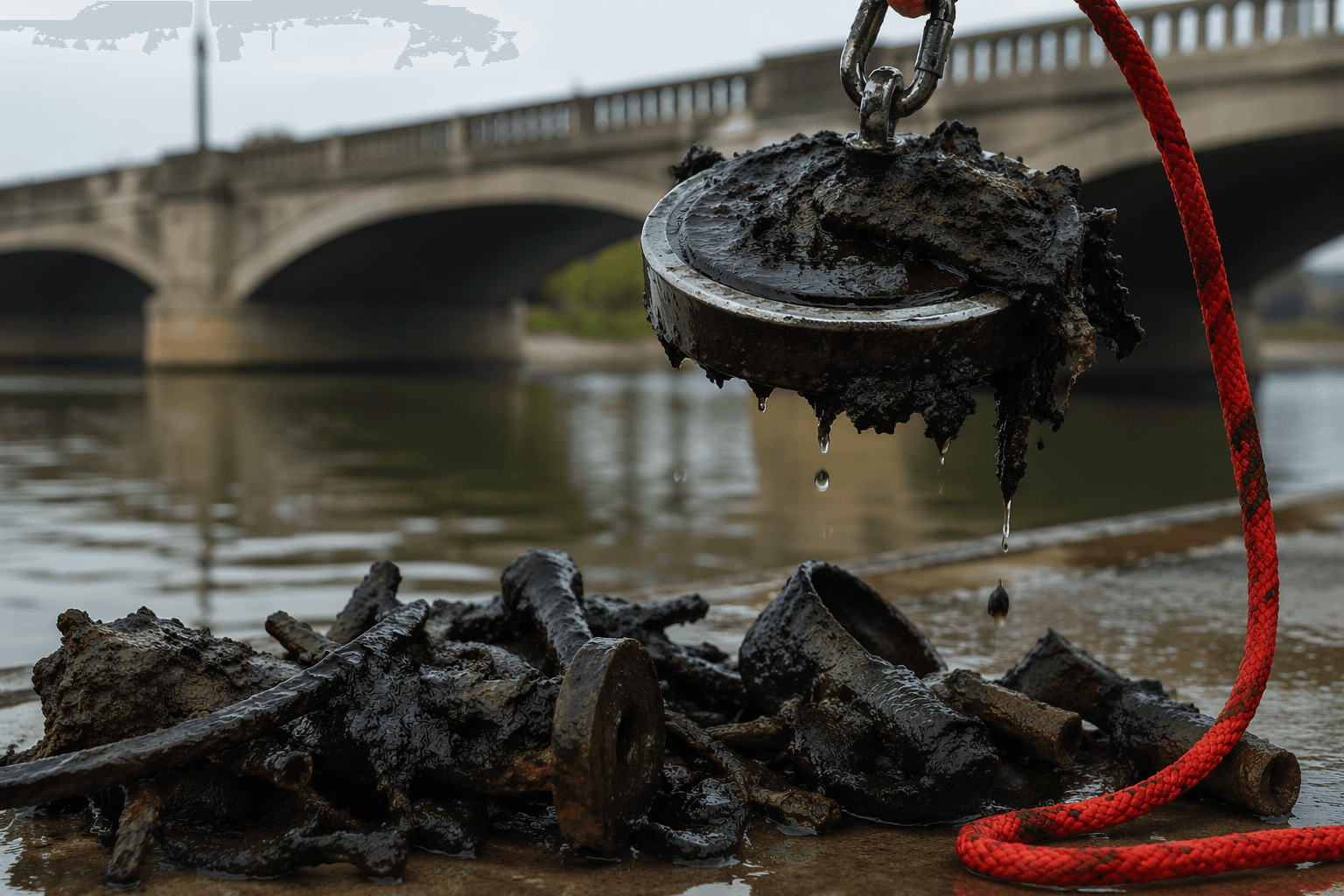
Those details matter because magnet fishing leaves a footprint faster than many people expect. The DNR has cited debris left on shorelines and staining on sidewalks when recovered items are not handled or disposed of properly. A bucket of rusty odds and ends can turn into a trail of grime if you drag it back to the car and leave the mess for someone else. On a busy public property, that is the kind of sloppy behavior that gets a hobby noticed for the wrong reasons.
Dangerous finds need a different response
If the magnet comes up with something that looks like a firearm or any other dangerous item, the rule changes immediately. The DNR says those finds should be reported to the property office or to DNR Division of Law Enforcement Central Dispatch at 812-837-9536. That is not a “take a picture first” situation and not a “let’s see if it still works” moment.
This is where the hobby’s treasure-hunt reputation can get people in trouble. Most pulls are junk, and junk is manageable. Dangerous items are different because they can trigger a criminal investigation and create a safety risk on the spot. The DNR’s guidance makes clear that the right move is to stop, report, and let officials handle it.
The practical read for magnet fishers
If you fish Indiana DNR waters, think of the permit as part of the gear list. You need the property office, you need a free permit, you need a magnet that can be carried and retrieved by hand, and you need a clean exit plan for whatever comes up. If you are outside DNR land, none of this should be assumed to apply, because another land manager may have a completely different rulebook.
That is the real shift here. Indiana is not banning magnet fishing, but it is stripping away the casual assumptions that used to come with it. On DNR land, the hobby now runs on permission, cleanup, and restraint, and the smartest magnet fishers will treat those rules as seriously as the pull itself.
This article was produced by Prism’s automated news system from verified source data, official records, and press releases, then run through automated quality and moderation checks before publishing. The system is built and supervised by the people who set the standards it runs under. Read our full AI policy.
Know something we missed? Have a correction or additional information?
Submit a Tip