Magnet fisher pulls historic blade from water, hinting at lost history
A blade from the water can be history, not scrap, and a New York City lake already yielded a safe stuffed with $100,000 in bills.
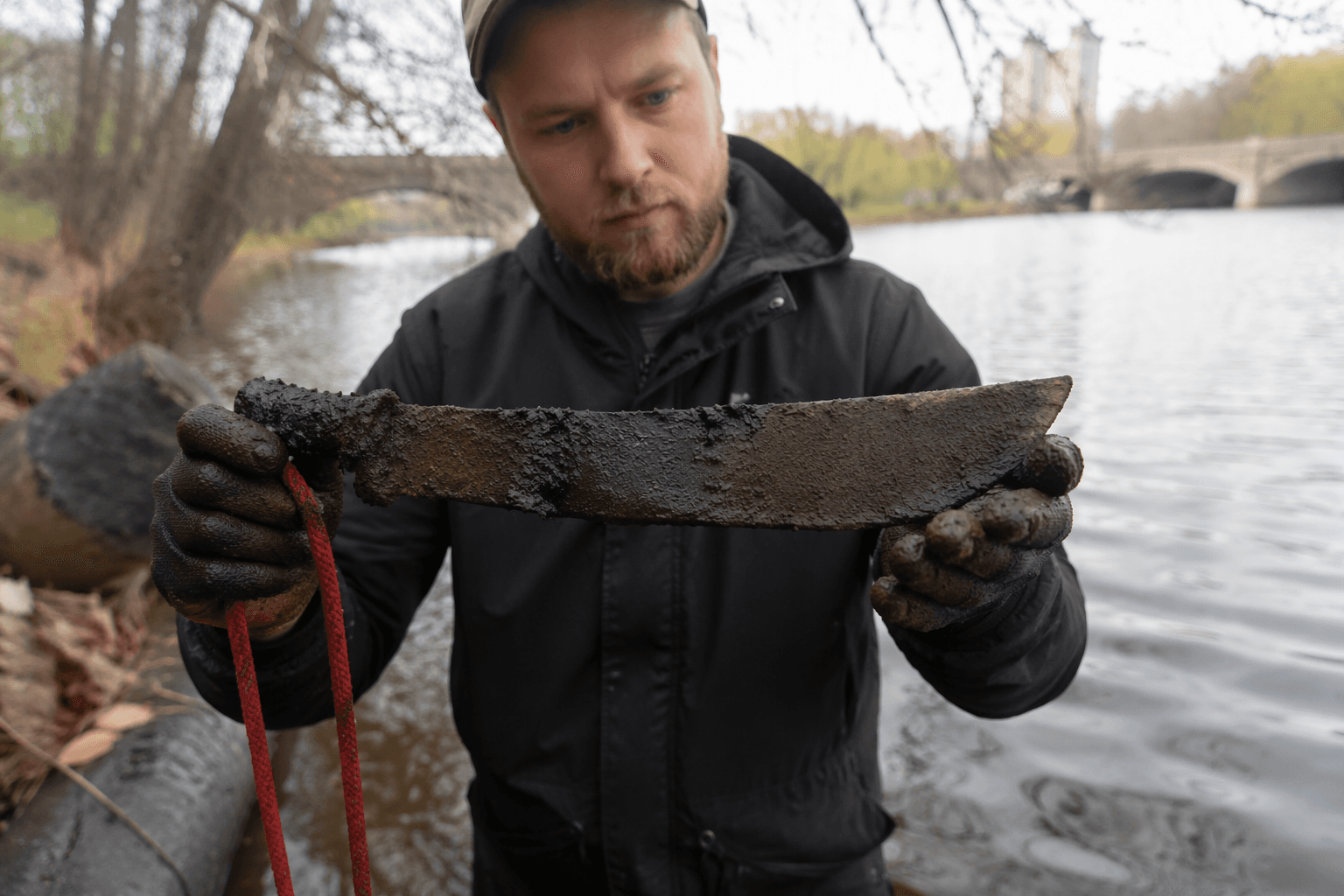
A blade pulled from the water is the kind of find that makes magnet fishing feel bigger than scrap hauling. The same hobby has already produced a safer, stranger pull in New York City, where a couple hauled a safe from a lake on May 31 and found $100,000 in waterlogged $100 bills inside.
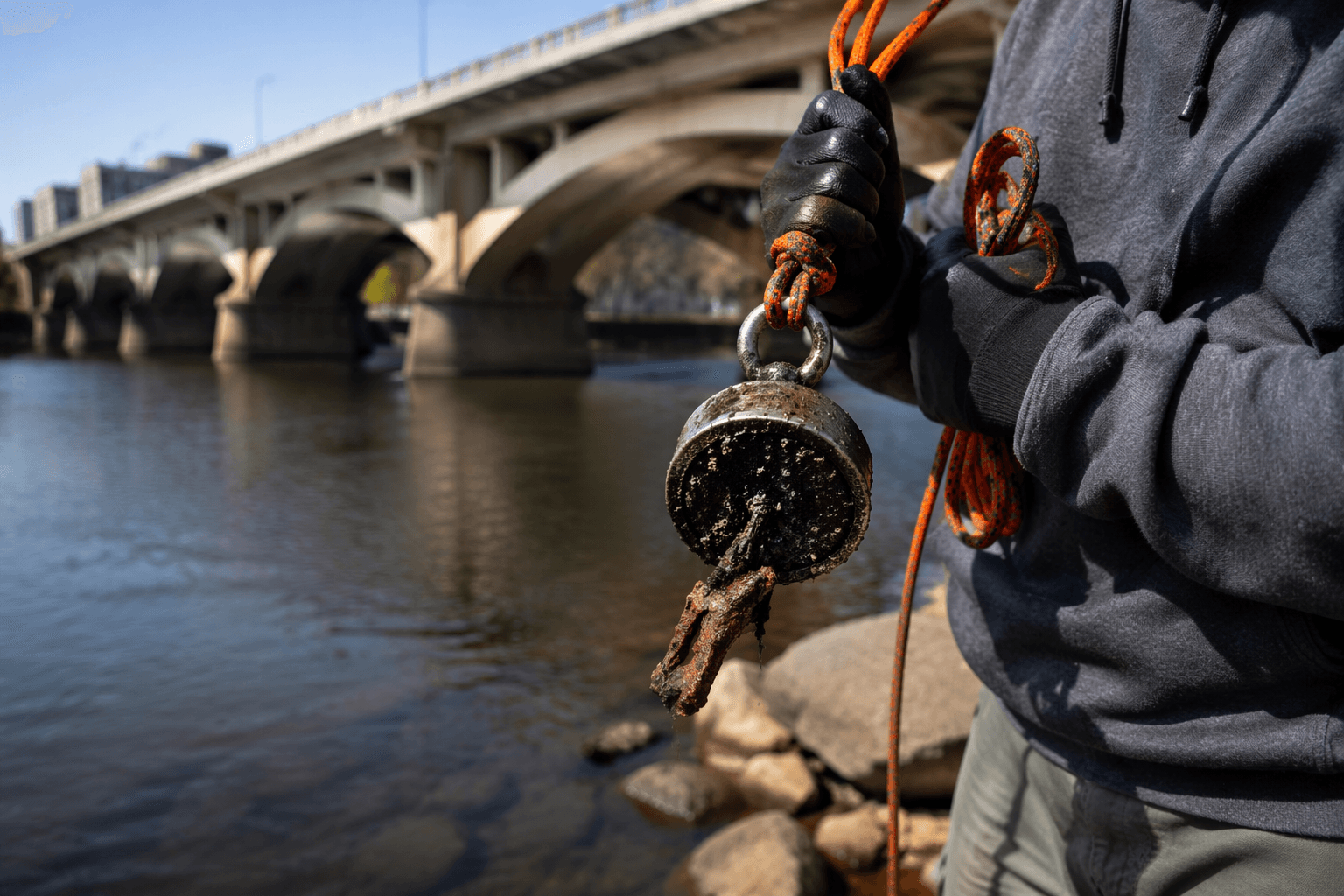
That is why magnet fishing keeps pulling attention well beyond local canals and riverbanks. BBC has described it as using a strong magnet on a rope to retrieve metal objects from canals and rivers, and said the hobby is growing fast, with thousands of videos showing finds on YouTube and social media. The mix of suspense, cheap gear, and the chance of an unexpected payoff has turned every muddy snag into a possible headline.
A blade becomes more than an oddity when it looks old enough to carry real history. Smithsonian Magazine reported that a magnet fisher in England uncovered a Viking sword later dated by experts to between 850 and 975, during the Vikings’ violent conquest of Britain. Another medieval sword found in a Dutch riverbed in March 2024 was later donated to the Rijksmuseum van Oudheden in Leiden. Those cases are the reminder every magnet fisher needs: a corroded chunk of iron can be the start of an artifact trail, not the end of a day’s pull.
That is also where the hard part starts. Do not scrub it, sharpen it, or post a victory shot before you know what it is. Document where it came up, keep the pieces together, and treat anything blade-like as potentially sensitive until it is identified. A real historical object can lose value, context, and archaeological meaning fast if the corrosion gets stripped off or the find is handled like a novelty.
The caution is not just about history. BBC has reported magnet fishers in Northampton finding a grenade in a canal, and health guidance warns that strong magnets can be hazardous if swallowed. The Broads Authority says magnet fishing is a relatively new activity and warns that sharp metal left on river banks can endanger other visitors, including dogs. That is the reality check built into every promising pull: a historic blade may hint at lost history, but the right response is careful handling, not instant bragging rights.
This article was produced by Prism’s automated news system from verified source data, official records, and press releases, then run through automated quality and moderation checks before publishing. The system is built and supervised by the people who set the standards it runs under. Read our full AI policy.
Know something we missed? Have a correction or additional information?
Submit a Tip