Magnet fishing in the hood turns cleanup into a tense local event
A neighborhood magnet-fishing run shows the real risk is the setting: more debris, more eyes, and a quick slide from cleanup to police attention.

Why the block changes the whole pull
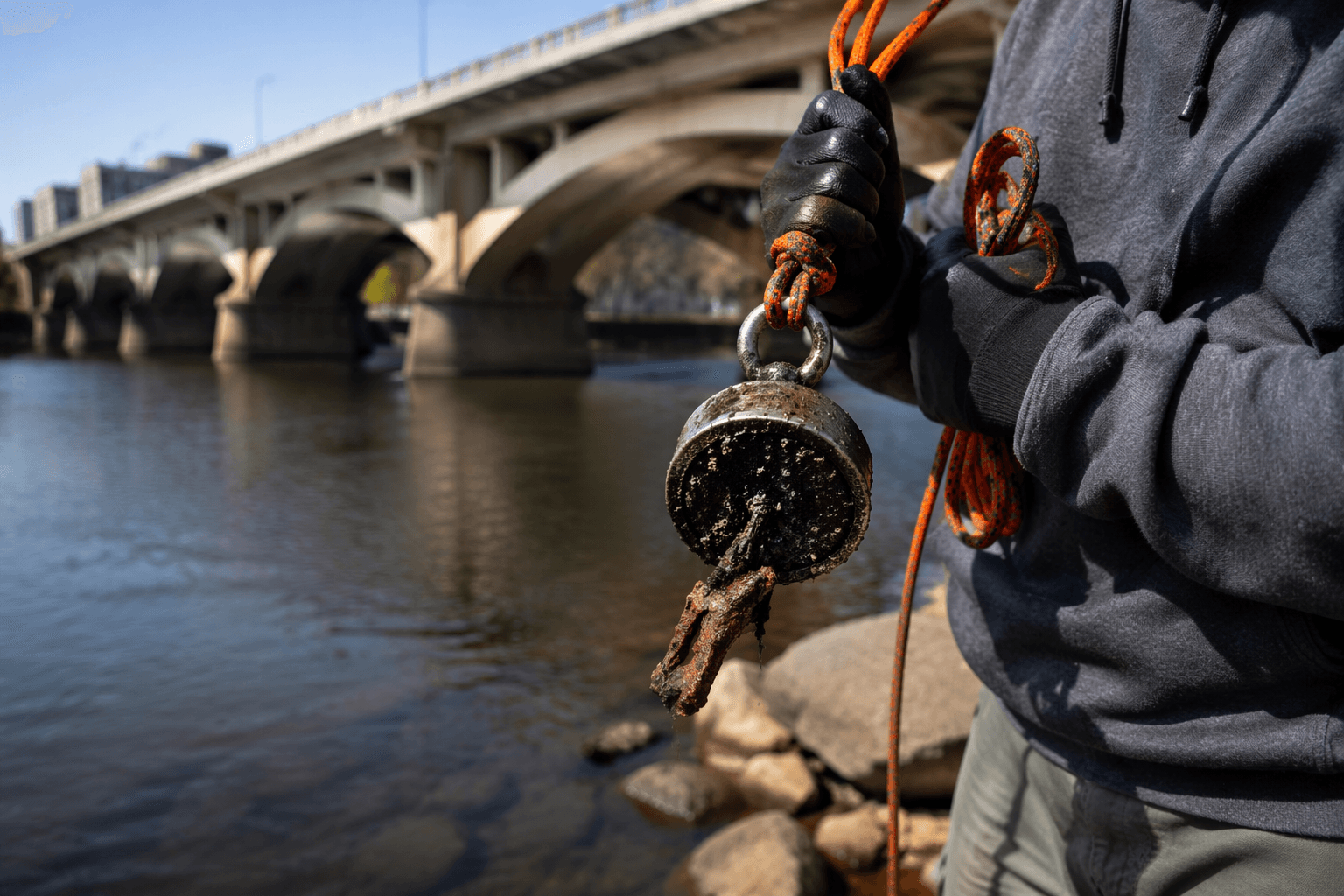
Magnet fishing gets a different charge the moment you leave the quiet canal and drop into a neighborhood waterway with people watching. Outdoors Weekly’s latest upload turns a familiar cleanup-and-chaos formula into a local event, and that matters because the setting changes the risk, the mood, and the outcome of every pull. The crew spends hours hauling scrap metal, shopping carts, and other strange objects before things escalate, which is exactly the point: in a rougher or more public stretch of water, the rope is only half the story.
That is why location selection is not just about what is likely to stick to the magnet. It is about how the area will react when you start dragging up the contents of the bottom in full view of neighbors, passersby, and anyone who thinks the water belongs to them. A scenic canal feels like a hobby outing. A hood-adjacent stretch of water feels like an event, and those are very different jobs for the same gear.
What a neighborhood pull really reveals
The appeal of this kind of magnet fishing is the contrast. You go in expecting the usual metal junk, and then the haul starts hinting at a much messier history: scrap, carts, and odd objects that clearly did not get there by accident. The Outdoors Weekly clip leans into the idea that magnet fishing is a form of treasure hunting, where you throw a giant magnet into the water and see what turns up, but the practical payoff here is less about treasure than about what a place has been used for over time.
That is why a neighborhood setting can be more revealing than a postcard spot. In a visibly rough area, viewers can imagine the build-up of debris and the pressure on the waterway itself. It is not just a backdrop. It becomes evidence. The haul tells you how often people have dumped junk, what kind of traffic the bank has seen, and why a cleanup can suddenly feel like a social experiment as much as a hobby run.
The safety issue is not hypothetical
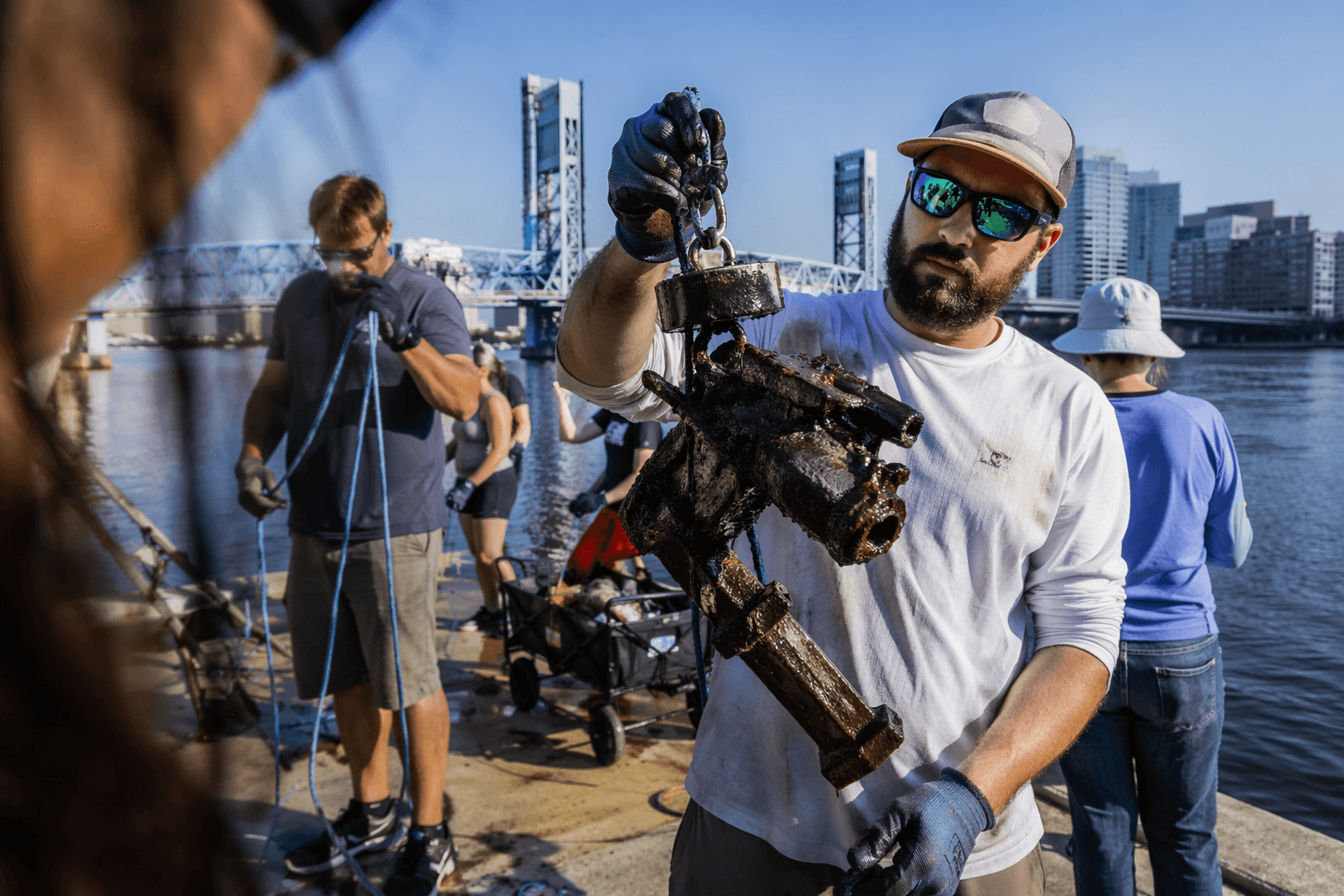
The biggest mistake people make with magnet fishing is treating it like harmless metal detecting with a stronger pull. It is not. Recent magnet-fishing-related videos and reports have shown firearms coming up out of the water, including a machine gun recovery that led to a call to police. Once you are pulling weapons, the whole situation changes immediately, because the find is no longer a novelty. It is a public-safety problem.
That is exactly why the setting in this kind of video matters so much. In a neighborhood or otherwise tense public space, the moment you expose something dangerous, everyone around you becomes part of the story. You need to be ready for bystanders, calls to authorities, and a fast handoff if the object is a firearm or anything that could be treated as evidence. The thrill of the pull stops mattering the second the object on the magnet creates a risk for everyone on the bank.
Know the legal line before you drop the rope
There is also a clean legal reason this hobby gets controversial quickly. The U.S. Environmental Protection Agency says most aquatic trash enters waterways through land-based activities, and it also says aquatic trash can harm water quality, wildlife, and recreation. That is the cleanup side of the hobby, and it is the reason magnet fishing has a real public value when it is done in the right place. But the legal side gets harder once the spot is protected or the object has historical significance.
The National Park Service says archeological resources on federal lands are protected by law, and the Archaeological Resources Protection Act governs excavation and removal on federal and Indian lands in the United States. That means a place can look like open water and still carry hard restrictions underneath. If you are fishing near federal land, protected sites, or anywhere the bottom might contain archeological material, the wrong pull can turn a cleanup into a legal problem fast. NOAA’s Marine Debris Program sits on the opposite end of that same issue, as the federal government’s lead effort for dealing with debris in oceans, waterways, and the Great Lakes. The point is simple: the hobby is legitimate, but the boundaries are real.
How to choose a spot without making it worse
If you want the cleanup to stay useful and not become a scene, site choice matters more than magnet strength. The best-looking pull zones are not always the best places to work. A busy neighborhood bank may produce more junk, but it also brings more questions, more public scrutiny, and a higher chance that one bad find becomes the whole story.
A practical approach looks like this:
- Fish places where trash is already obvious, not where you are likely to disturb protected ground.
- Treat any recovered firearm as an immediate stop-and-call situation.
- Be ready for bystanders to ask questions, because in a neighborhood setting they usually will.
- If the area has any federal, park, or archeological protection, leave it alone.
- Keep the cleanup frame honest. The EPA’s land-based trash problem is real, but so are the legal limits on what you can touch.
That is the difference between useful magnet fishing and reckless magnet fishing. One removes junk that was clearly dumped. The other turns a bank into a scene because somebody wanted a better video.
When the location adds insight, not just spectacle
A provocative setting is worth it when it teaches you something you could not learn from a polished, quiet waterway. In this case, the neighborhood backdrop shows how public spaces accumulate debris, how quickly strangers can shape the mood of a pull, and how easily the hobby crosses into police territory if the magnet bites into a weapon. That is a real lesson, not just clickbait.
The takeaway from Outdoors Weekly’s upload is that magnet fishing is never only about what comes up on the rope. In a place like this, the water reflects the block, the block watches the crew, and the haul can shift from cleanup to confrontation in a matter of minutes. That tension is the story, and it is exactly why site selection, safety, and legal awareness matter more than the size of the magnet.
This article was produced by Prism’s automated news system from verified source data, official records, and press releases, then run through automated quality and moderation checks before publishing. The system is built and supervised by the people who set the standards it runs under. Read our full AI policy.
Know something we missed? Have a correction or additional information?
Submit a Tip