Seven days on the beach turns up incredible magnet fishing finds
Seven days on one beach turns magnet fishing into a real field test, where patience, cleanup, and permission matter as much as the pull strength.
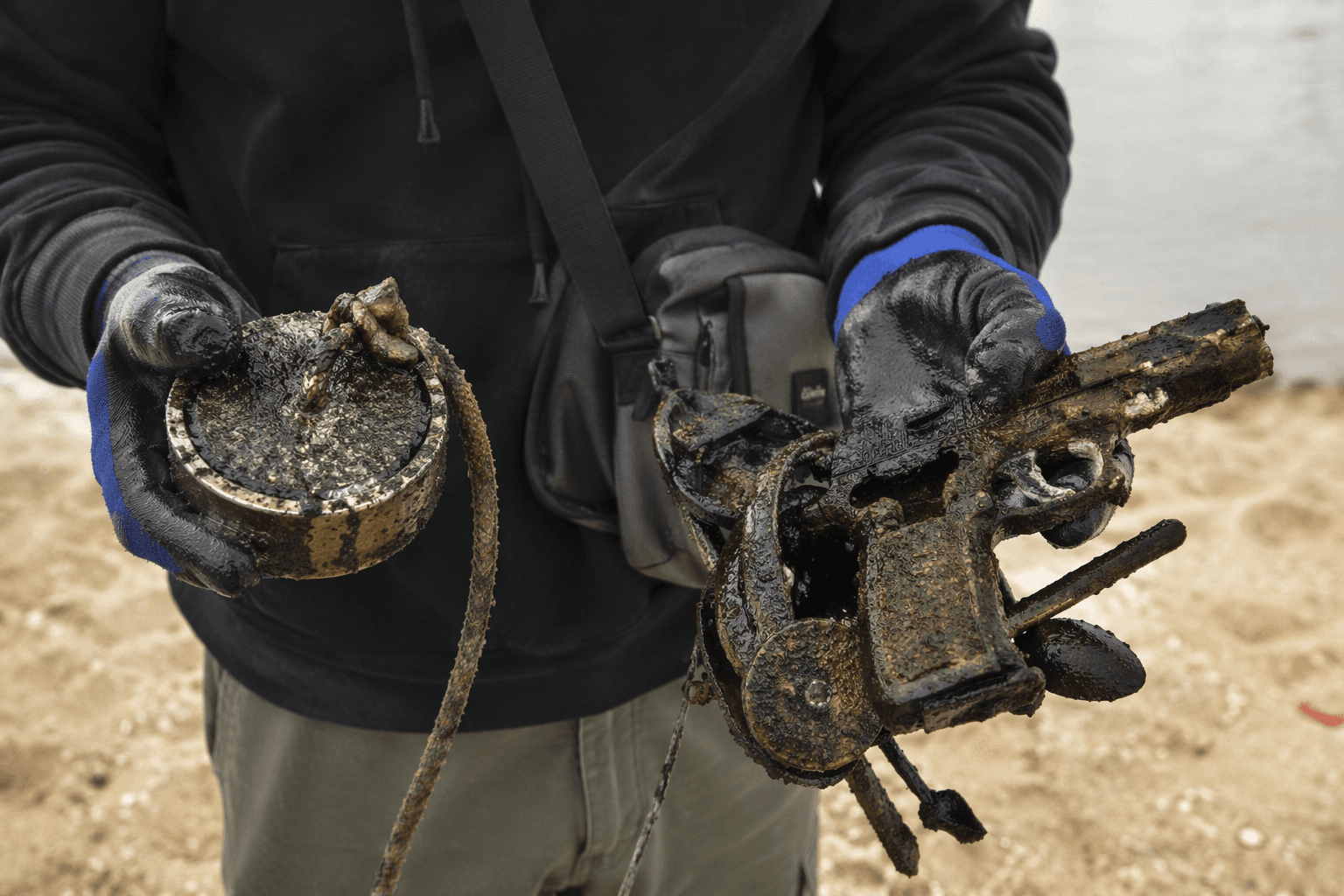
The MSN video’s real hook is not a single lucky pull, it is the grind: seven straight days raking the beach with a magnet and uncovering some incredible finds. That kind of effort changes magnet fishing from a quick-hit treasure clip into a proper field test of a shoreline that keeps shifting, hiding, and resetting itself.
Why the seven-day beach grind stands out
A beach is a different animal from a canal bank or a quiet dock. Sand moves, surf reshuffles debris, and public foot traffic keeps adding fresh metal to the mess, which means one pass rarely tells the whole story. A week-long search suggests methodical coverage, repeated angles, and the patience to work the same stretch until it finally gives up what it is holding.
That is why this upload lands harder than the usual one-and-done magnet-fishing clip. The story is less about one trophy object and more about endurance, because a shoreline can keep producing if you keep returning to it. In practice, that makes the beach not just a hunting ground but a cleanup zone, where every pull has a visible public payoff.
What repeated passes reveal
Seven days on the same beach usually teaches you what a single outing cannot. The first passes tend to clear the obvious junk, the easy scrap, and the metal lying closest to the surface. By the later days, the search becomes tighter and slower, and that is often where the more interesting pieces start to appear.
That is the rhythm this kind of effort is built around. The title promises incredible finds, but the deeper lesson is that sustained pressure matters more than one dramatic cast. If the same stretch keeps producing for a full week, the shoreline is telling you there is still a backlog under the sand.
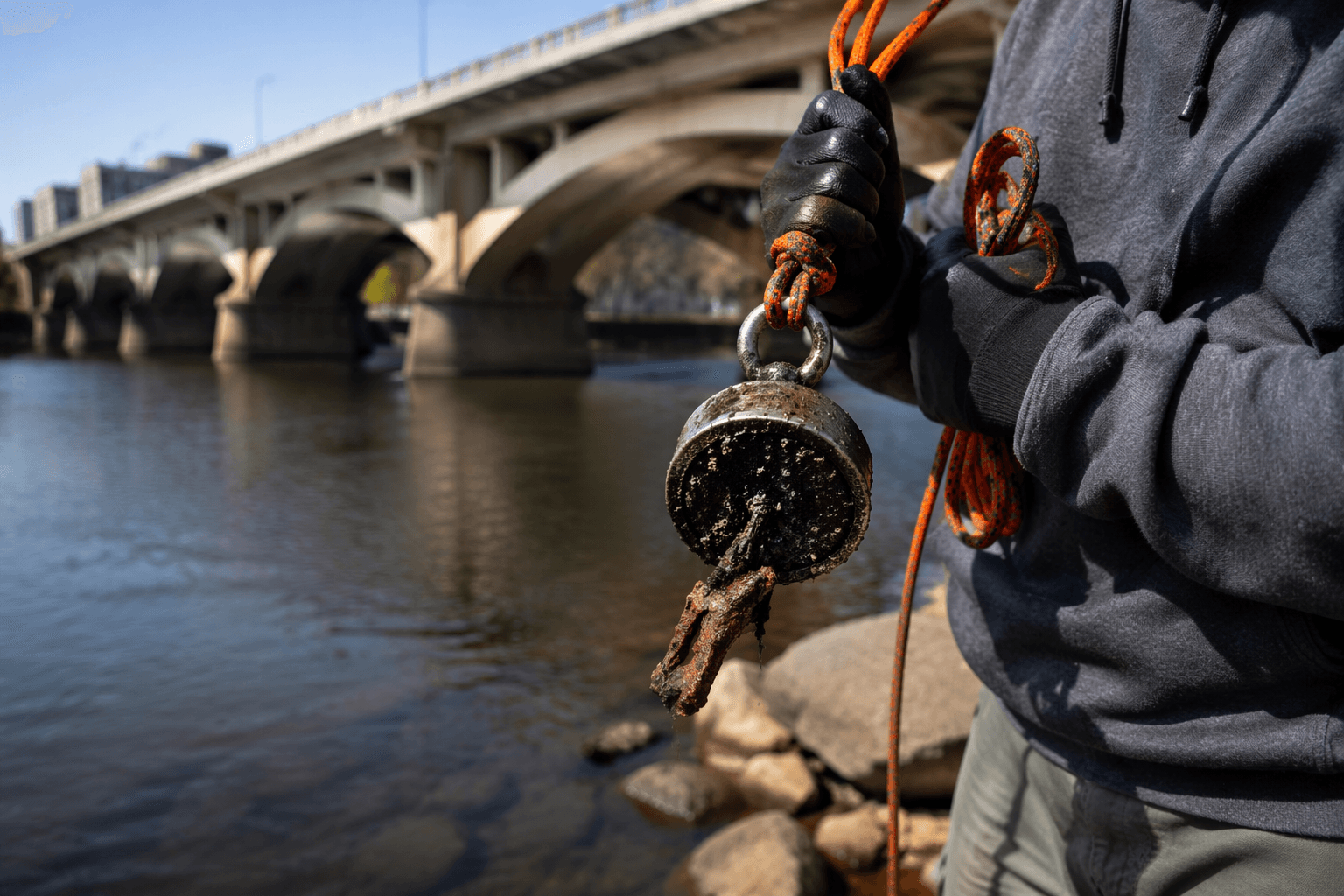
Repeated visits also expose the strain on your gear. Dragging a magnet through sand, lifting again and again, and working the same rough patches for days is tougher on rope, gloves, and arms than a casual hour-long hunt. The beach does not hand over its junk politely, and a week of work is enough to show where your setup starts to feel the punishment.
The cleanup side is not a side note
NOAA says marine debris, or marine litter, is one of the most pervasive pollution problems facing the world’s ocean and waterways. NOAA’s Marine Debris Program is authorized by Congress through the Marine Debris Act, and it also works under the Save Our Seas 2.0 Act of 2020. That context matters, because a magnet-fishing beach session is not only about finding something cool, it is also part of a much bigger removal effort.
NOAA also says lost and derelict commercial and recreational fishing gear can degrade sensitive bottom habitats, create safety and navigation hazards, and continue to catch species. Cleanup projects funded across the country are removing that gear from coastal waters and the Great Lakes. On a beach, that turns every recovered piece of metal into something more than scrap, it becomes one less hazard sitting in a public place where people swim, walk, and fish.
That is one reason beach magnet fishing resonates so strongly. Beachgoers understand the value instantly, because the debris is right there in front of them. The hobby’s appeal has always sat at the intersection of treasure hunting and environmental work, and a seven-day shoreline pull makes that overlap impossible to miss.
What Indiana DNR is warning magnet fishers about
Indiana Department of Natural Resources says magnet fishing has increased significantly in the last two years, and that popularity has brought rising environmental and safety concerns. One of the issues it points to is water quality, especially when magnet fishing stirs up too much sediment. That is the kind of problem that can sneak up on you during a long beach session, because a spot that looks harmless can get clouded and churned fast.
Indiana DNR also advises checking with the appropriate property manager or owner before magnet fishing on non-DNR bodies of water. That advice is easy to overlook when the focus is on the next pull, but a seven-day effort makes it harder to ignore. The longer you work a shoreline, the more important access, rules, and local oversight become.
How to approach a week-long beach magnet-fishing run
If you want to copy this kind of effort, the lesson is commitment, not spectacle. A seven-day run works because it stays on one beach long enough to show what keeps getting buried, what keeps surfacing, and what your gear can really handle. It is a better test of a spot than a scattered handful of casts ever will be.
A practical setup for this style of hunt looks like this:
- Work the same stretch more than once. Repeated passes are what reveal whether the beach is still giving up new material or just recycling the same junk.
- Expect the first day to be the messiest. Early passes clear the easy stuff, and the later days are where the search starts to sharpen.
- Treat your gear like it is going to be worked hard. Sand, repeated lifts, and long sessions add up fast.
- Keep cleanup and access in the plan from the start. NOAA’s debris warnings and Indiana DNR’s property guidance are part of the job, not an afterthought.
- Think in terms of process, not one item. The value of a week-long beach effort is in the pattern it exposes, not just the object in the bucket.
The real payoff of the seven-day beach grind is that it proves magnet fishing can be more than a lucky throw. When you stay with one shoreline long enough, the finds become part of a larger story about persistence, cleanup, and how much a public beach can still be hiding just under the surface.
This article was produced by Prism’s automated news system from verified source data, official records, and press releases, then run through automated quality and moderation checks before publishing. The system is built and supervised by the people who set the standards it runs under. Read our full AI policy.
Know something we missed? Have a correction or additional information?
Submit a Tip