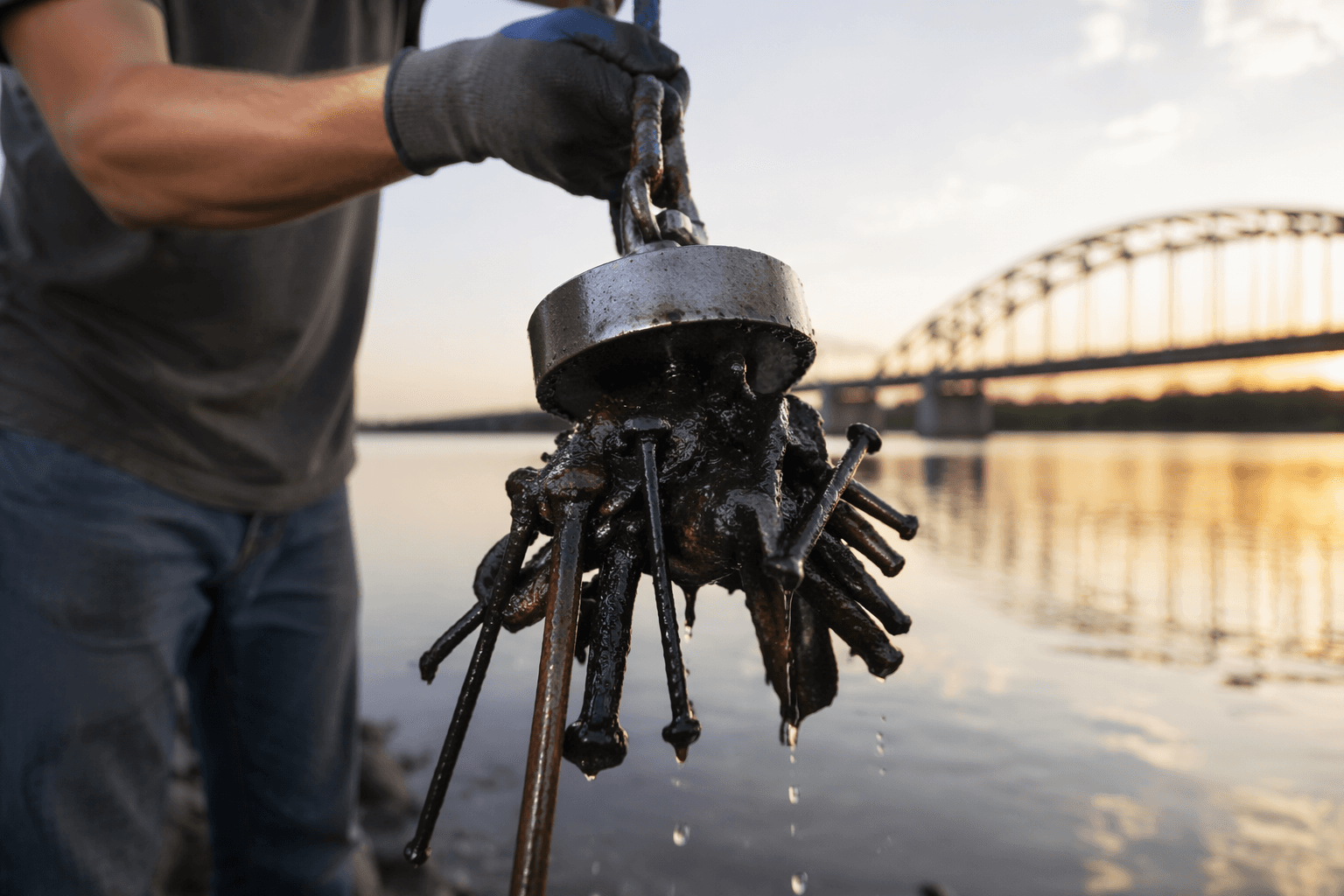
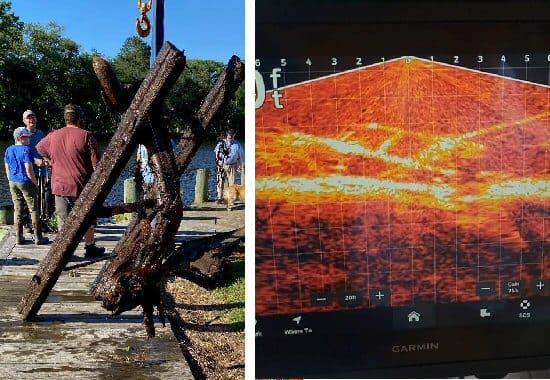
Wiltshire warns magnet fishers of drowning and weapon risks
Wiltshire says magnet fishing can drag up sharp, heavy hazards or even a grenade, as a Salisbury find near Five Rivers Leisure Centre showed.

Wiltshire is warning magnet fishers to think twice before dropping a line into canals and rivers. The council says the trend can put people at risk of falling into the water and can bring up dangerous metal objects, a warning that lands hard in a hobby built around the thrill of not knowing what the magnet will bite.
The safety concerns are not abstract. The Canal & River Trust says it does not allow magnet fishing on its canals because it can be extremely dangerous, warning that items hauled up can be sharp or heavy enough to drag someone into the water. It also says piles of metal left on the towpath can become a hazard for families with young children, which is the sort of after-effect that turns a quick search into a public nuisance.
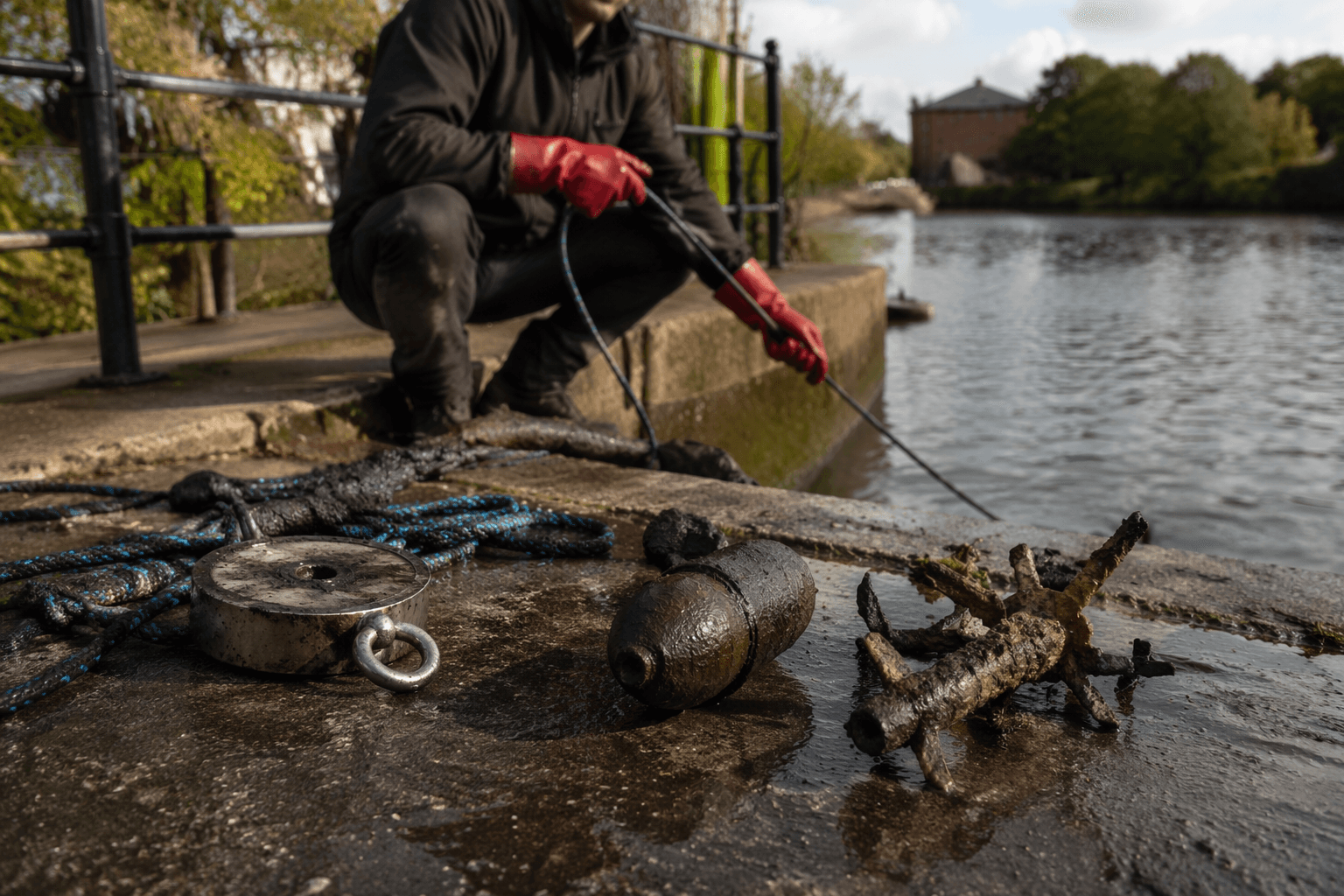
The Broads Authority gives the hobby a more technical definition: magnet fishing uses high-powered magnets attached to rope to retrieve metal objects from waterways. Its warning is blunt too, pointing to trip hazards from ropes, cuts and infection from rusty finds, and the chance of pulling up weapons or unexploded ordnance. The authority says dangerous finds should be reported to police, and everything recovered should be taken home and safely disposed of, not left by the bank for someone else to sort out.
There is also a legal line that many weekend magnet fishers still miss. Portsmouth City Council says landowner permission is required before casting a magnet, and that illegal excavation can amount to criminal damage or an offence under the Theft Act. It also notes that Scheduled Monuments are protected under the Ancient Monuments and Archaeological Areas Act 1979, and that Portsmouth has 17 Scheduled Monuments.
Wiltshire has already seen what can happen when the hobby turns up more than scrap. Wiltshire Police warned in 2021 that magnet fishers could recover firearms, hand grenades, mortars or other unexploded devices, after reporting in the wider area that streets in Trowbridge and Salisbury were closed when a large artillery shell and a World War II hand grenade were found. In June 2025, a suspected World War II hand grenade, thought to be a Mills bomb, was found while magnet fishing with children near the River Avon by Five Rivers Leisure Centre in Salisbury, and explosives specialists later removed and disposed of it.

That is the difference between reckless copycat magnet fishing and doing it properly: stay off restricted water, get permission, keep clear of anything suspicious, and treat every heavy, rusty pull as if it could be more than scrap.
This article was produced by Prism’s automated news system from verified source data, official records, and press releases, then run through automated quality and moderation checks before publishing. The system is built and supervised by the people who set the standards it runs under. Read our full AI policy.
Know something we missed? Have a correction or additional information?
Submit a Tip