Hall Effect keyboards bring adjustable actuation and rapid trigger to typing
Hall Effect boards are winning on adjustable actuation and rapid trigger, but the real question is who needs that much control and who still wants a classic mechanical board.
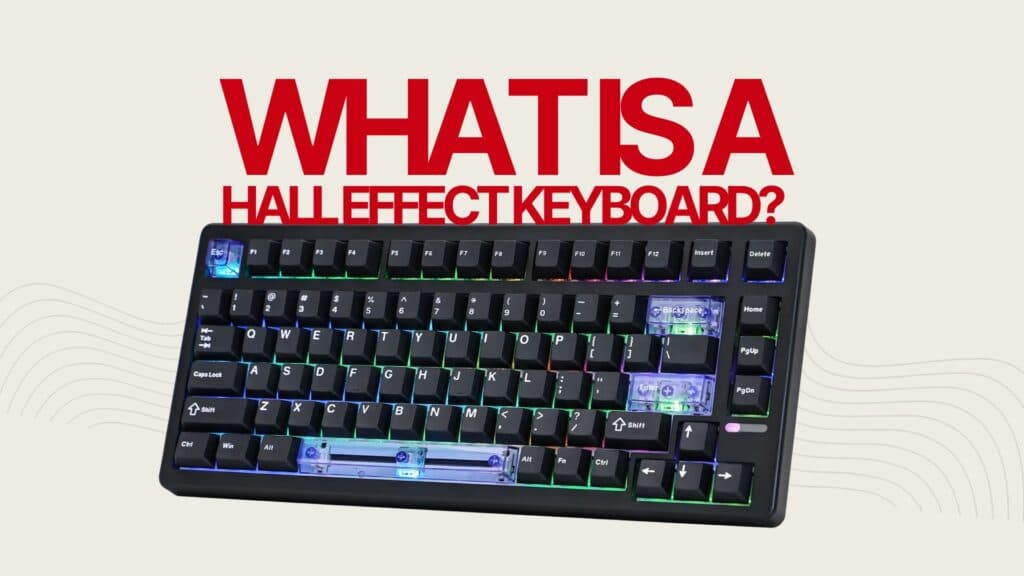
Hall Effect keyboards let you set where a key actuates instead of locking every press to a fixed point. That is a real edge in fast shooters and other timing-heavy games, but it is not a blanket upgrade for people who care most about switch variety, sound, and easy modding.
How Hall Effect sensing actually changes the feel
The difference is in how the board detects a press. A traditional mechanical switch closes a physical contact point, while Hall Effect boards use magnets and sensors to measure the position of the switch as it moves.
That enables three features that matter most in the hobby: adjustable actuation, analog-style control, and rapid trigger behavior. Adjustable actuation lets you decide how far down a key needs to go before it fires. Analog-style control turns the key into a variable input rather than a simple on-off event. Rapid trigger makes repeated presses feel more immediate because the board can reset and rearm as soon as the switch begins moving back, instead of waiting for a full return.
Who benefits most from magnetic switches
If you spend time in fast-paced shooters, adjustable actuation is the feature that makes the clearest difference. Shortening the actuation point can reduce wasted travel and make repeated taps feel sharper, which is exactly why Hall Effect boards are so often sold as gaming-first products. That is where features like 0.1 to 4.0 mm actuation ranges, 8K polling, and per-key tuning become more than spec-sheet decoration.
Wooting’s lineup shows how this category is being framed for competitive use. Wooting introduced rapid trigger in 2019 on the Wooting two Lekker Edition, then brought it to the Wooting 60HE in 2022. Its 60HE+ is an analog mechanical keyboard with under-1ms input response and onboard profiles, while the newer 80HE adds Rapid Trigger, True 8K polling, and Rappy Snappy. The 60HE v2 goes further, with Hall-effect sensors that can assign one action to a half-press, another to a full press, and additional actions on release.
Why the category is still not universal
The same features that make Hall Effect boards attractive for gaming do not automatically make them better typing boards. Classic mechanical switches still win on variety, modding, and the huge range of sounds and tactile feels the community already knows how to tune. If your priority is a broad choice of spring weights, stem types, films, and sound profiles, magnetic boards are still a narrower lane.
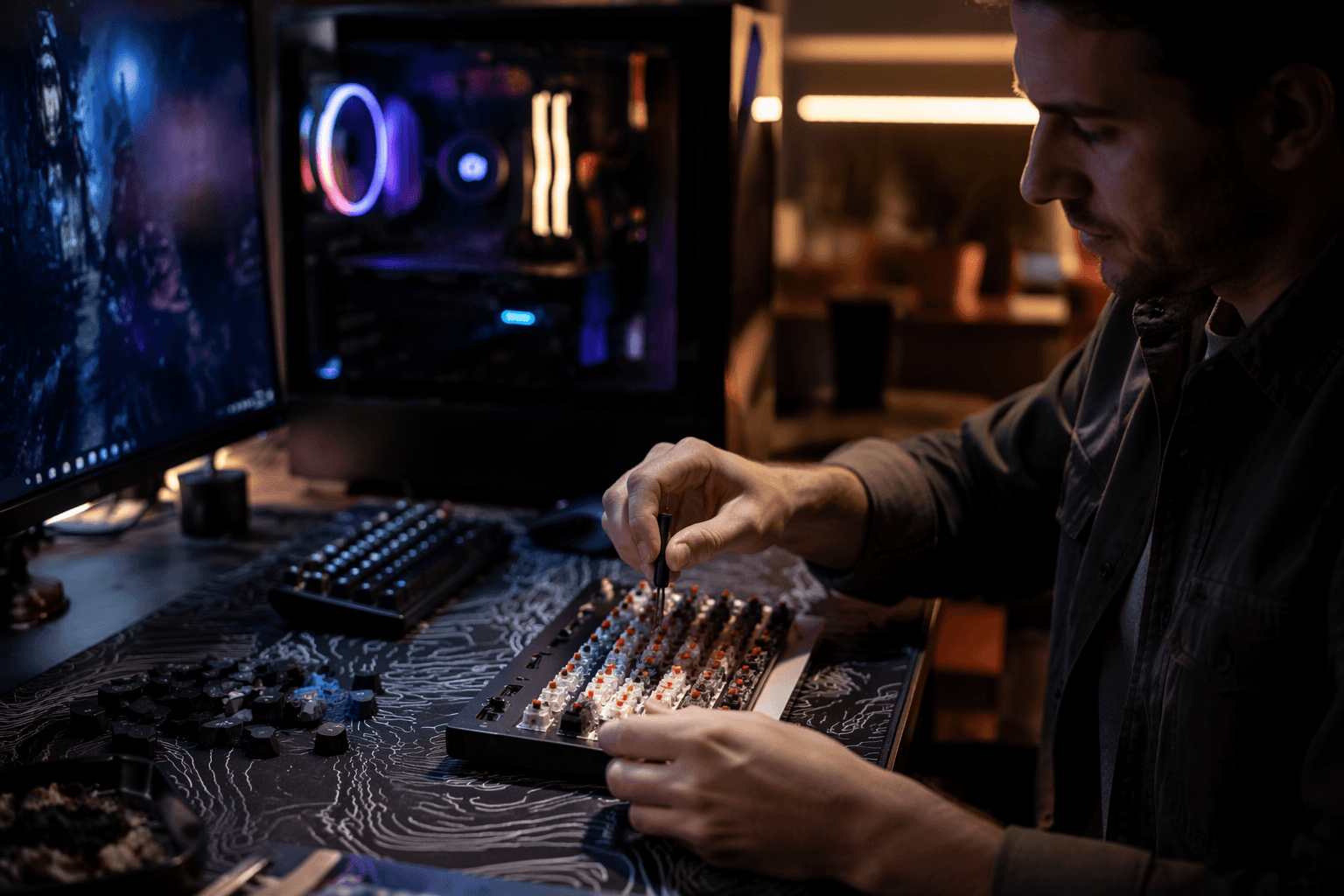
That limitation matters because the magnetic ecosystem is not as open as the mechanical one. You are comparing not just switch feel, but also software quality, firmware behavior, layout options, and compatibility with the features you want to use. Hall Effect boards are powerful when their software is polished, but they are much less compelling when the actuation controls are clumsy or the customization app gets in the way.
Keychron’s current lineup makes that shift easy to see. The company now lists magnetic boards such as the Q1 HE, K2 HE, and K3 HE, and the Q1 HE uses Gateron double-rail magnetic switches with advanced TMR sensors. Keychron also distinguishes between Hall Effect and TMR in its own messaging.
The competitive history that pushed the category forward
Hall Effect keyboards did not arrive all at once. SteelSeries launched the Apex Pro in 2019 with OmniPoint Hall-effect switches, and Corsair entered the segment with the K70 Max in 2023. Those launches helped turn magnetic sensing from a specialty concept into a product line that major peripheral brands could sell at scale.
ASUS ROG pushed the same idea with the Falchion Ace HFX, with 0.1 to 4.0 mm adjustable actuation and 8000 Hz polling. SteelSeries has kept the formula going with the Apex Pro Gen 3, with 40 levels of adjustable actuation and Rapid Trigger. The pattern is consistent across brands: magnetic sensing is now being paired with more aggressive polling rates, more control over activation depth, and features aimed directly at gaming performance.
The rules and compatibility questions that matter
Hall Effect keyboards are also part of a larger debate about input automation. Valve’s Counter-Strike 2 update in August 2024 moved against keyboard automation features such as Snap Tap and similar SOCD-style movement assists, and ESL followed by banning controversial keyboard movement features on LAN. That response matters because it draws a line between sensing hardware and movement automation built on top of that hardware.
A board can have excellent Hall sensing and still cross into territory that some games or tournament rules will reject. Wooting has pushed back on overly automated movement behavior and has argued that some controversial functions should be disabled in tournament settings when needed.
What to look for before you buy
The practical checklist is straightforward:
- Adjustable actuation range, especially if you want to shorten key travel for gaming.
- Rapid Trigger support if you care about quick re-presses and movement responsiveness.
- Polling rate, because boards like the Wooting 80HE and ASUS ROG Falchion Ace HFX are pushing True 8K and 8000 Hz polling into the category.
- Software quality, since the best hardware is less useful if tuning is awkward.
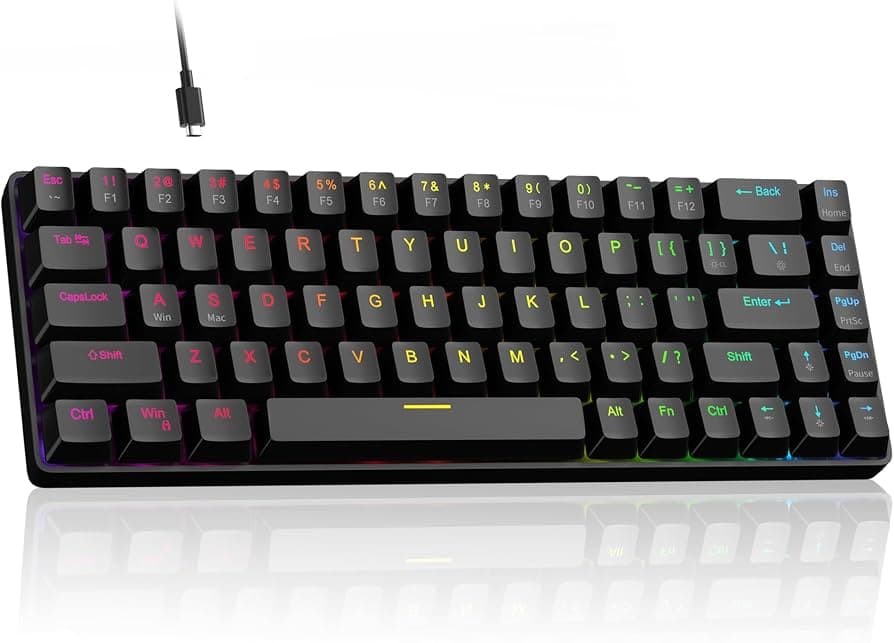
- Layout and connectivity, because Keychron’s magnetic line spans boards like the Q1 HE, K2 HE, and K3 HE rather than one single format.
- Switch ecosystem and feel, because Hall Effect is still narrower than the classic mechanical world when it comes to modding and sound.
This article was produced by Prism’s automated news system from verified source data, official records, and press releases, then run through automated quality and moderation checks before publishing. The system is built and supervised by the people who set the standards it runs under. Read our full AI policy.
Know something we missed? Have a correction or additional information?
Submit a Tip