Keychron Q3 Ultra 8K blends premium build with wireless speed
The Q3 Ultra 8K is less a gamer gimmick than a dense aluminum TKL for people who value feel, battery life, and sane wireless performance.

8K marketing is not the whole story
Keychron pitches the Q3 Ultra 8K as an 80% TKL, full-metal wireless custom mechanical keyboard with 8,000 Hz polling, and that headline is doing a lot of work. If you are shopping for a heavy aluminum board, though, the question is not whether it can shout “8K gaming” loud enough. It is whether the keyboard feels planted, sounds good, stays charged, and gives you enough customization to justify a $229.99 buy-in.
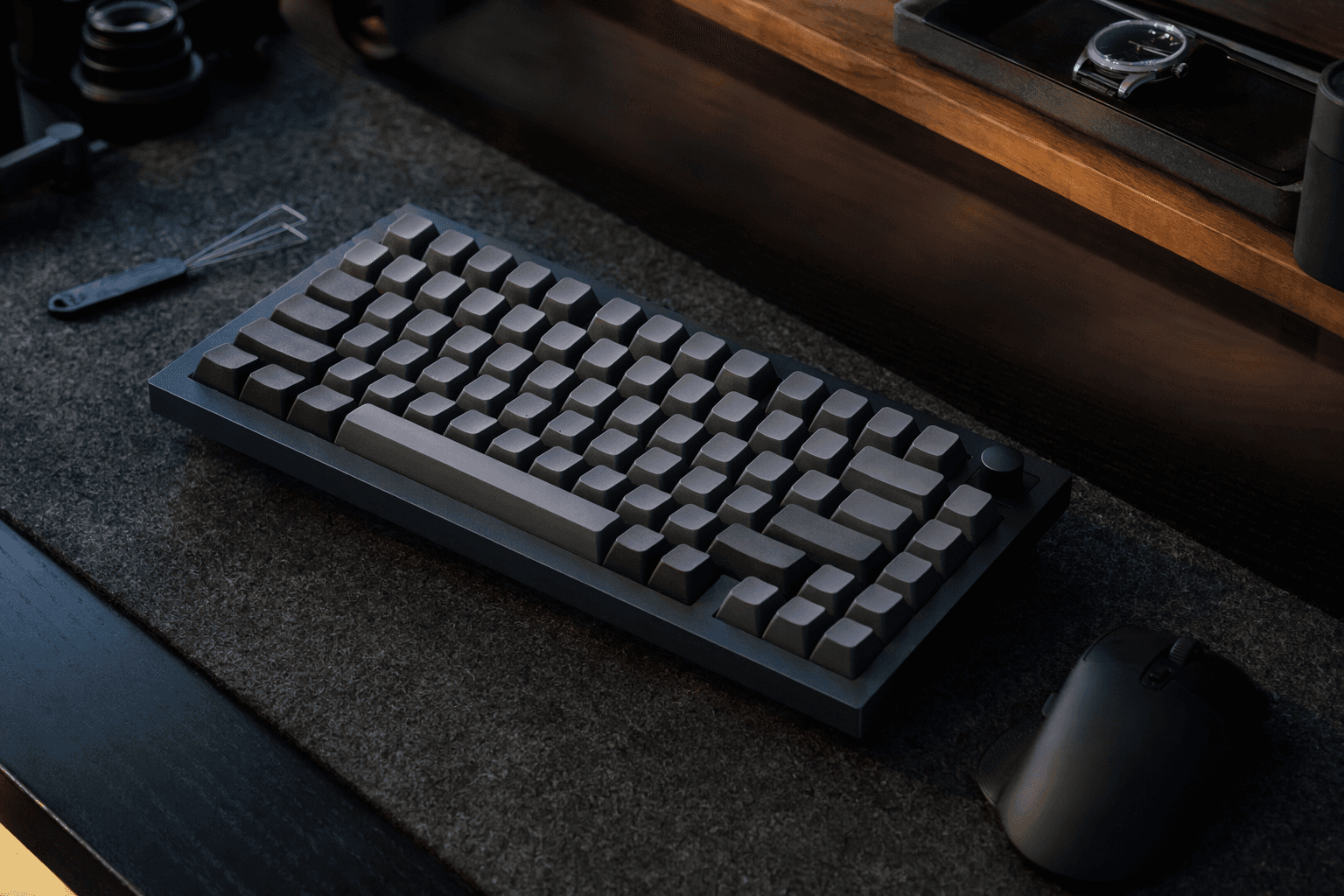
That is where the Q3 Ultra 8K starts to make more sense. KitGuru’s read on the board lands on the same tension: the spec sheet is flashy, but the real appeal is the classic enthusiast stuff, namely build quality, typing comfort, and a proper custom-keyboard feel without having to build from a bare kit.
What Keychron actually built
This is not a thin plastic wireless board with a marketing sticker slapped on top. Keychron says the Q3 Ultra 8K uses an 80% TKL layout in a full metal chassis, with 2.4 GHz, Bluetooth 5.3, and wired connectivity. It is also hot-swappable, which matters more than the 8K badge for a lot of people who like to tinker with switch choices instead of living with whatever came installed.
Keychron also includes the familiar enthusiast touches that make the board feel like it belongs in the custom space: KSA double-shot PBT keycaps, NKRO, and support through the Keychron Launcher web app for remapping keys, macros, and shortcuts. In plain terms, this is a keyboard built for someone who wants a premium platform, not just a fast polling number on a product page.
The case for the heavy aluminum TKL
The strongest part of the Q3 Ultra 8K is the part spec sheets always struggle to sell properly: the actual experience of using a dense aluminum TKL. KitGuru describes the board as solid, heavy, and comfortable, which is exactly the kind of feedback that matters when you spend hours typing or gaming on the same board. A rigid chassis does more for perceived quality than a lot of people expect, and on a board like this, that mass is part of the appeal.
That also explains why the Q3 Ultra 8K is aimed at a different buyer than the average “8K gaming” headline suggests. If you care about acoustics and the planted feel of a metal board, the Q3 Ultra 8K is in its element. If you care mostly about rapid trigger and adjustable actuation, the story changes quickly, because this board does not try to compete on those terms.
8,000 Hz sounds huge, but the real-world gain is narrower
Keychron’s Q Ultra 8K series is built around 8,000 Hz polling, and the company frames it as hardware for competitive gamers and keyboard purists. That is a smart way to position it, because it admits there are two audiences here: the people chasing low-latency input and the people who simply want a top-tier typing platform with modern wireless chops.
The catch is that 8,000 Hz is not a cure-all. KitGuru’s review points out that the higher polling rate has limited real-world value on this board, especially when you compare it with the rest of the package. There is no rapid trigger, no adjustable actuation, and no attempt to turn the Q3 Ultra 8K into a dedicated esports weapon. In other words, the marketing says “speed,” but the hardware is still selling a broader enthusiast experience.
That distinction matters because the Q3 Ultra 8K is priced at $229.99, the same price as the Q3 Max. The difference is not the price tier. It is the polling rate, with the Ultra moving from 1,000 Hz on the Q3 Max to 8,000 Hz on the new model. If you already liked the Q3 Max concept, the Ultra is the more responsive wireless version of that formula, not a totally different keyboard.
Battery life and wireless polish are a bigger deal than the headline number
The 8K pitch would be less convincing if the battery life were weak, but Keychron says the Q3 Ultra 8K can reach up to 660 hours in wireless mode. That is the kind of number that changes how often you think about charging, and it helps explain why this board feels more like a polished daily driver than a novelty performance board.
Keychron also says the board can connect to up to three Bluetooth devices, which makes the wireless side more practical than simply fast. Between 2.4 GHz for low-latency use, Bluetooth 5.3 for multi-device convenience, and wired mode for when you want to remove battery anxiety entirely, the Q3 Ultra 8K covers the bases most people actually use. For a heavy aluminum TKL, that combination is far more useful than a lone spec spike.
Customization is part of the value, not an afterthought
The hot-swap sockets, NKRO, and web-based customization are what keep the Q3 Ultra 8K from feeling overbuilt in the wrong way. You are not locked into one switch feel, one layout habit, or one software workflow. Keychron Launcher lets you remap keys, build macros, and tweak shortcuts in a browser, which is exactly the sort of low-friction setup that makes a premium keyboard live comfortably on a desk instead of sitting in a drawer waiting for a mod project.
That mod-friendliness matters because the Q3 Ultra 8K is being sold to people who like control. The KSA double-shot PBT keycaps, the hot-swap design, and the Q Ultra platform all reinforce the same message: this is a keyboard you can actually live with and shape over time. The 8K number may get the clicks, but the customization is what makes the board feel like a proper enthusiast purchase.
Who the Q3 Ultra 8K is really for
The Q3 Ultra 8K makes the most sense if you want a premium TKL with a full-metal case, wireless support, strong battery life, and a typing experience that feels more expensive than the spec sheet alone would suggest. It is a very good fit if your priorities are acoustics, weight, and customization, and you like the idea of 8,000 Hz as a bonus rather than the entire reason to buy.
It is a weaker fit if you are shopping for the latest competitive gaming tricks. Without rapid trigger or adjustable actuation, the Q3 Ultra 8K is not trying to out-muscle the current crop of magnetic gaming boards on raw input features. What it does instead is more grounded and, for a lot of desk setups, more compelling: it takes the sturdy aluminum TKL formula, adds modern wireless performance, and keeps the focus on the things that still matter after the marketing slides are gone.
Know something we missed? Have a correction or additional information?
Submit a Tip