Laika compact open-source keyboard blends split-space flexibility, magnetic polycarbonate case
Laika packs 53 keys, split-space flexibility, and a magnetic polycarbonate case into a 45%-ish DIY build that looks ready for serious remixes.
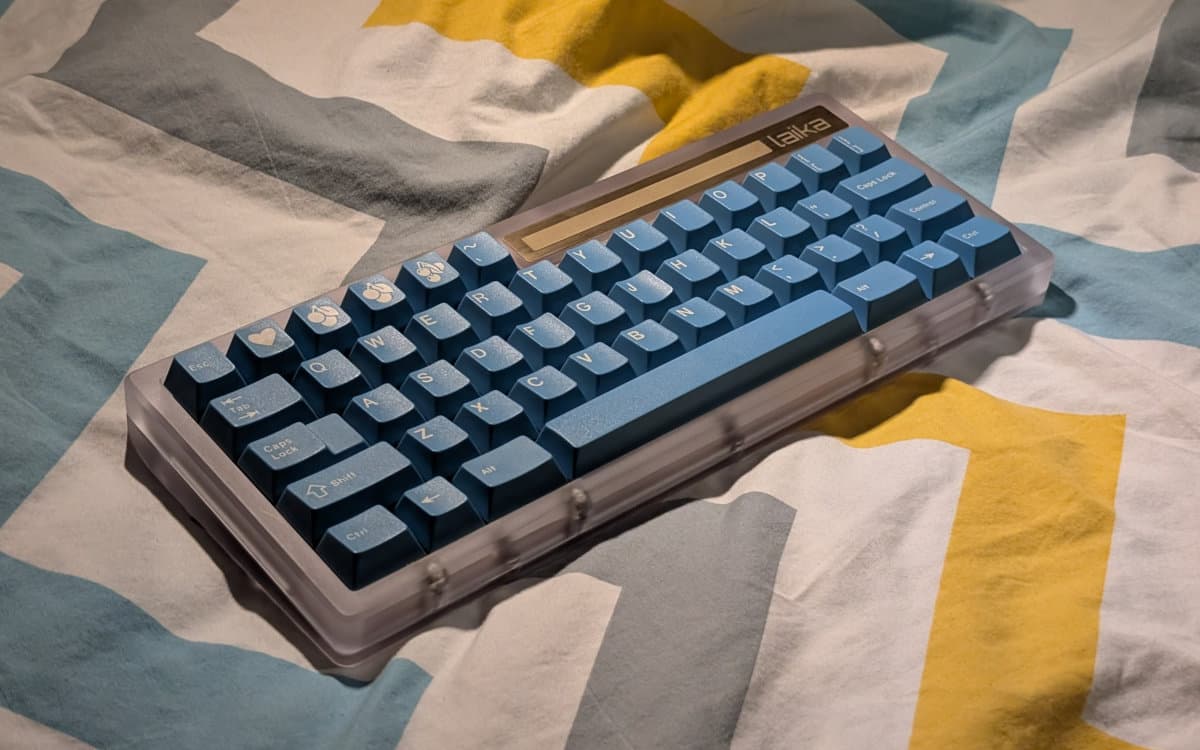
Laika landed in the sweet spot that keeps compact-board builders coming back: familiar enough to use, strange enough to feel fresh. Kapee1’s open-source design, highlighted on April 14, 2026, is a 45%-ish DIY keyboard built around a v4n4g0n-inspired idea, but the shorthand hides the real appeal. It has 53 keys total, described as 47 plus half of the number row, which means it keeps enough direct access for everyday typing and gaming while cutting the footprint down hard.
The feature that will matter most to layout tinkerers is the split spacebar support. Laika can be built with either two 3u bars or one 6u bar, a small decision that changes how the board feels under the thumbs and how the layout is used in practice. That kind of flexibility is exactly why this family of designs keeps resurfacing. V4N4G0N itself came out of TheVan Keyboards and trashman’s work as a modified MiniVan layout with a half-number row, designed in part to preserve number-key access for gaming while staying compact. After TheVan Keyboards closed in October 2019, the layout lineage did not disappear. It became a template for builders who wanted less reach without giving up the number row entirely.
Laika also shows how much the hobby has shifted toward open systems. The board uses a Waveshare RP2040-Zero MCU and supports Vial and QMK, which gives builders room to change layers, remap keys, and iterate on the board after assembly. Vial’s real-time configuration and QMK’s broader ecosystem make Laika easy to imagine as a platform for layout experiments, not just a finished object. Open-source status also helps on the practical side: the repository lists MX hotswap sockets, SMD 1N4148W diodes in SOD-123 package, and no through-hole soldering, all of which shape both the parts hunt and the difficulty curve.
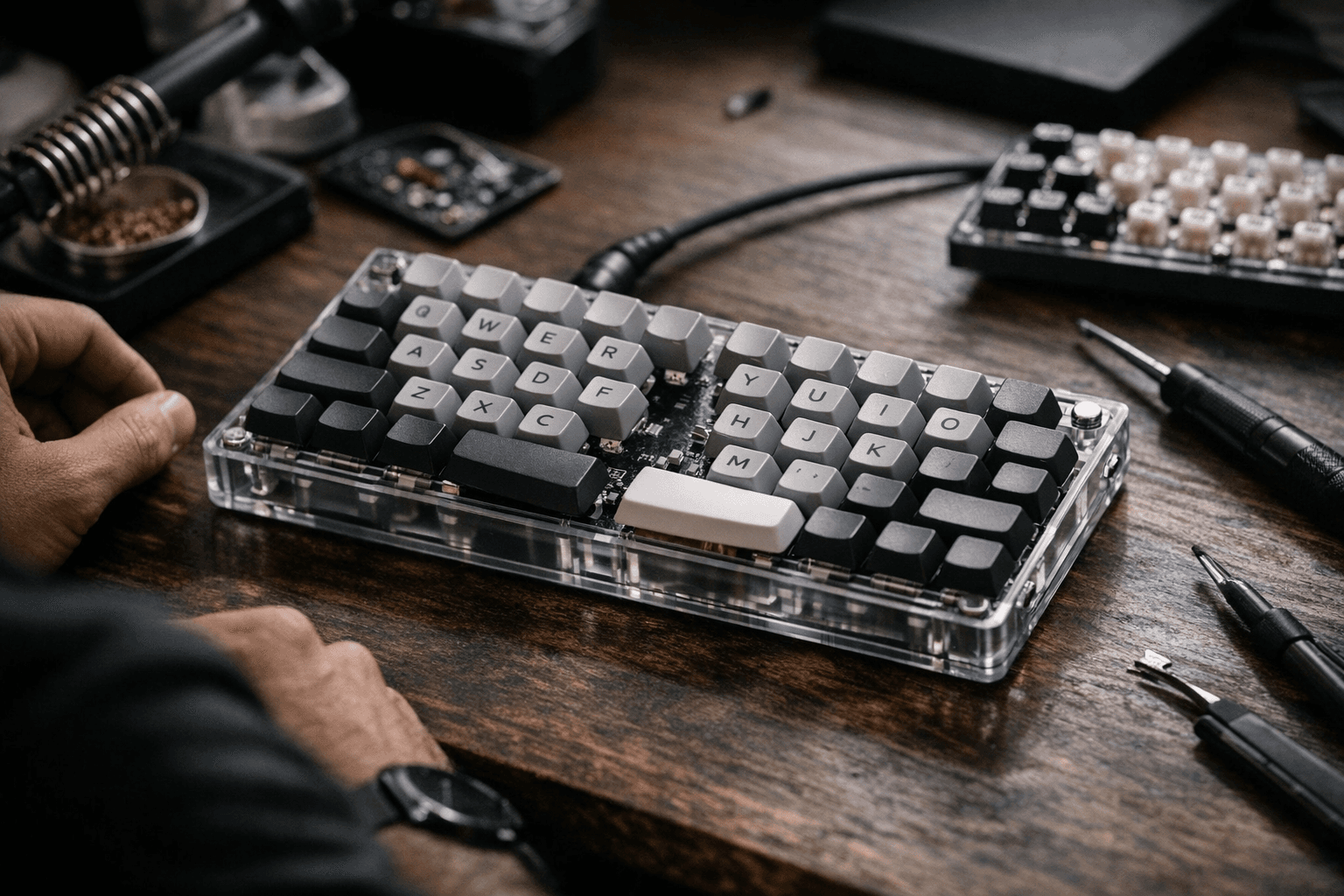
The hardware choices push the project further into enthusiast territory. The case is milled polycarbonate and held together with magnets, while the build uses top mount with o-rings, a combination that points to careful work on sound and feel, not just size. Laika ships with a standard plate and another version with enlarged stabilizer holes, giving builders a choice before they ever flash firmware. Kapee1’s GitHub profile also shows other keyboard projects, including Ruby soroka, osprey-remix, and pelican, which makes Laika look less like a one-off novelty and more like part of an active design practice. For builders chasing compact workflow gains, it is a serious entry point. For anyone who wants a plug-and-play board, it is a warning sign in the best possible way.
This article was produced by Prism’s automated news system from verified source data, official records, and press releases, then run through automated quality and moderation checks before publishing. The system is built and supervised by the people who set the standards it runs under. Read our full AI policy.
Did this article answer your question?