Epomaker expands keyboard lineup with Hall-effect, low-profile, and gaming models
Epomaker used Hong Kong’s spring electronics fair to push three lanes at once: Hall-effect gaming boards, screen-heavy tri-mode keyboards, and low-profile office models.
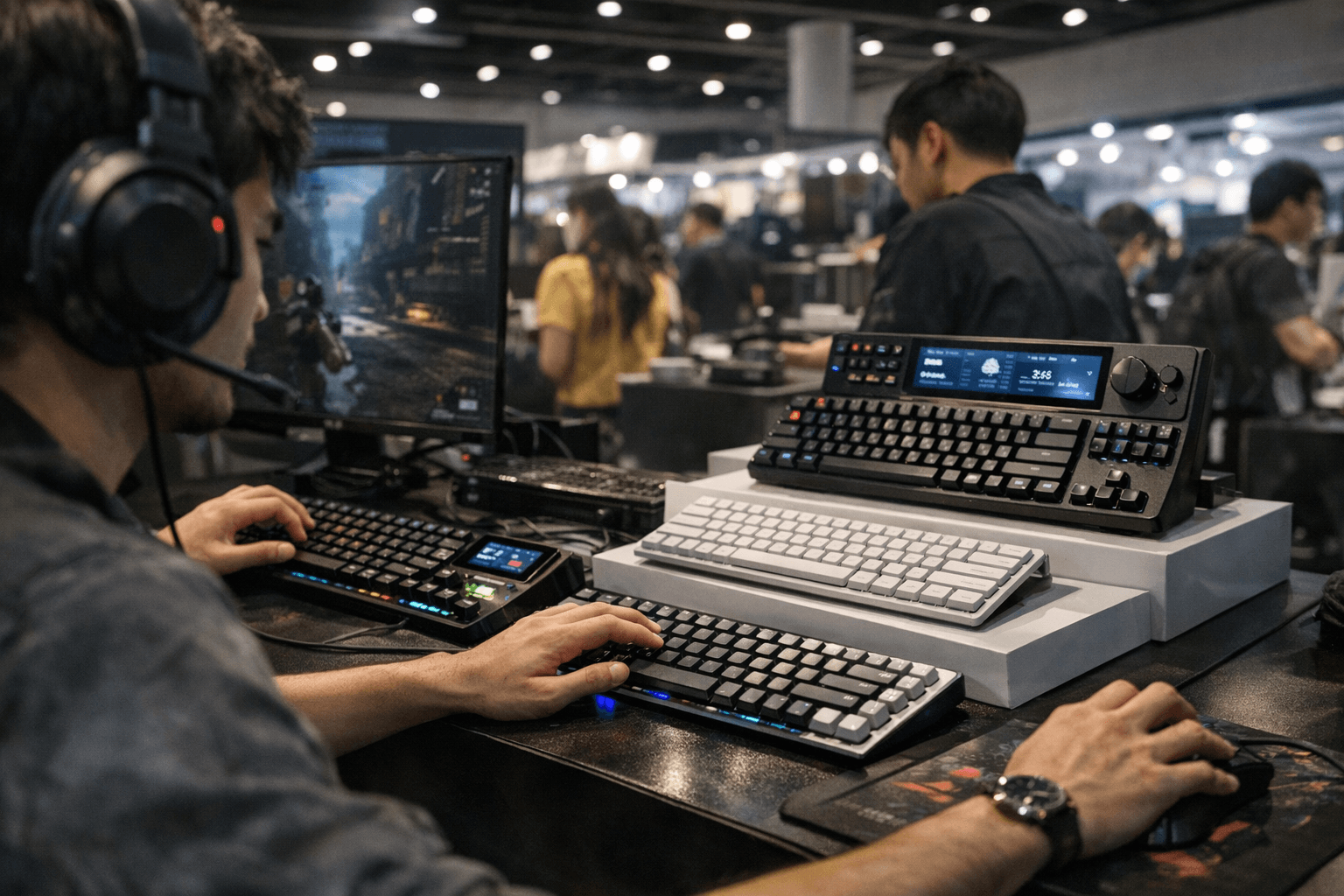
Epomaker used Hong Kong’s spring electronics fair to show a market split in real time: magnetic-switch gaming boards, screen-equipped mainstream boards, and low-profile office models. That matters because the HKTDC Hong Kong Electronics Fair, which ran at the Hong Kong Convention and Exhibition Centre from April 13 to April 16 with Click2Match business matching running through April 23, is built for exactly this kind of product positioning. HKTDC says the fair runs in an EXHIBITION+ hybrid format, and the 2025 edition drew 2,323 exhibitors and 88,000 physical buyers from 148 countries and regions.
The clearest enthusiast signal in Epomaker’s lineup was the HE108. The company first announced it on April 7 as a Hall-effect keyboard aimed at gaming and productivity, and the product page says it supports wired, 2.4GHz, and Bluetooth modes while remembering settings across up to five paired devices. That combination is the tell: Hall-effect is no longer being pitched only as a niche latency play for competitive gamers. Epomaker is treating it like a mainstream feature set, something that can live in a full-size board and still be useful for everyday switching between a desktop, laptop, tablet, or work machine.
The TH80 V2 family showed the other direction mainstream buyers are taking. Epomaker paired 75% layouts with dynamic RGB side lighting, static backlighting, and a premium metal knob, then pushed the TH80 V2 Pro and TH108 V2 Pro further with TFT color displays for battery and connection information. The TH80 V2 page lists an 8,000mAh battery rated for 200-plus hours, while the TH80 V2 Pro steps up to 10,000mAh. On the TH108 V2 Pro, the screen is not just decoration: it can show keyboard information and support GIFs, drawings, or photos, while the knob handles display pages, volume, scrolling, and macros. That is the clearest sign of feature creep at the sub-$150 level: buyers are being sold utility, but the sale still hinges on visible premium touches.
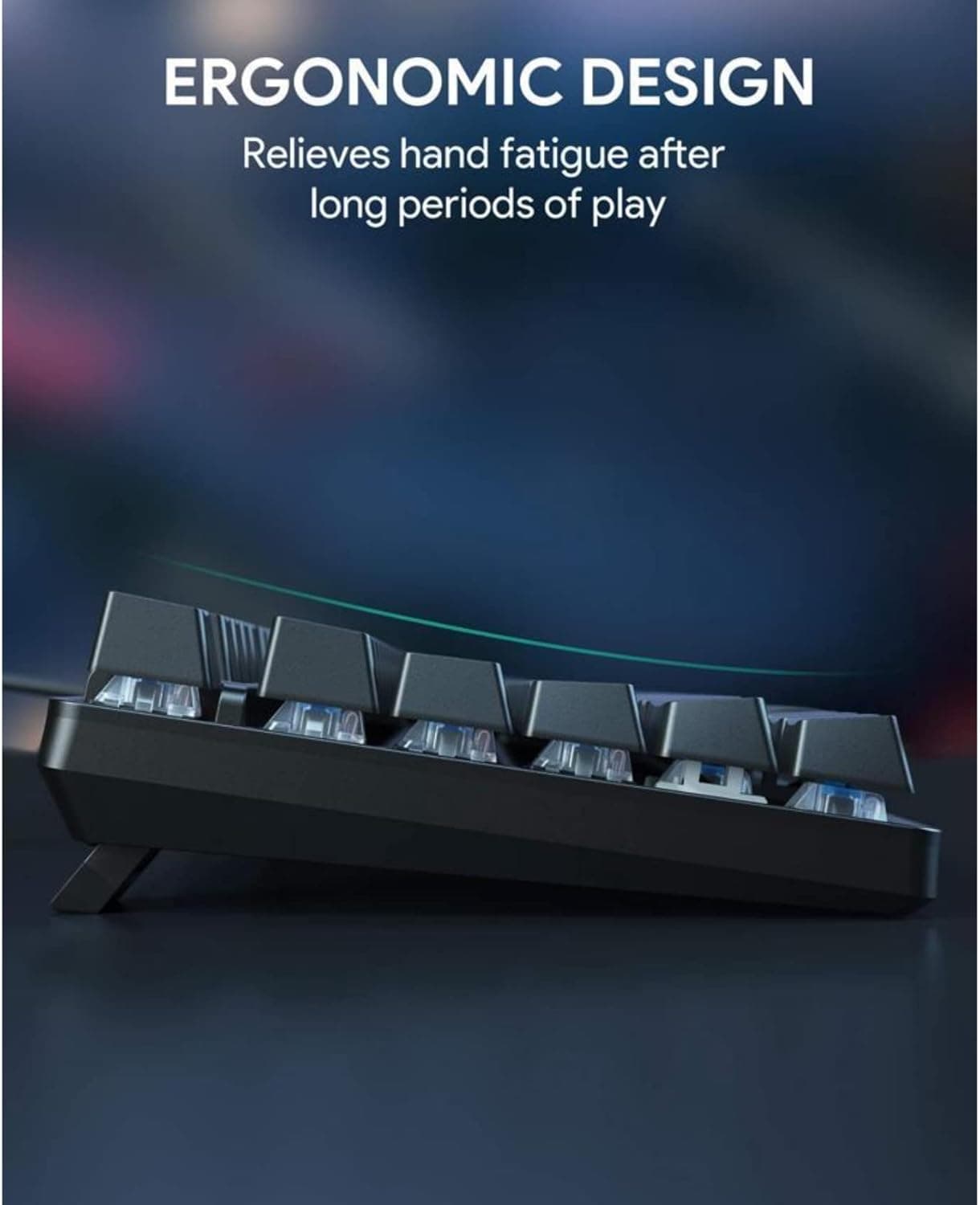
Epomaker’s Luma series filled the last major lane. The Luma100, launched March 30, was positioned as a compact full-layout low-profile keyboard in an anodized aluminum case, and the product copy says it uses 100 Gateron low-profile switches for shorter travel distance and faster response time. Put together, the lineup says where the mid-market is heading: magnetic-switch boards for gaming, low-profile boards for office and travel, and knob-and-screen tri-mode boards for everyone who wants a “premium” feel without paying custom-board money.
That is the real story from Hong Kong. Epomaker is not chasing one flagship gimmick. It is dividing the keyboard market into use cases, then packing each one with the kinds of features that used to be reserved for pricier enthusiast boards. For sub-$150 buyers later this year, that means more choice, more competition, and a lot more boards trying to look premium before they earn it.
This article was produced by Prism’s automated news system from verified source data, official records, and press releases, then run through automated quality and moderation checks before publishing. The system is built and supervised by the people who set the standards it runs under. Read our full AI policy.
Did this article answer your question?