Lofree Hyzen blends mechanical feel with Hall-effect tuning in compact 65% board
Lofree's Hyzen pairs mechanical contacts with TMR magnetic sensing in a 65% aluminum board. The pitch is simple: keep the typing feel, add rapid-trigger tuning.
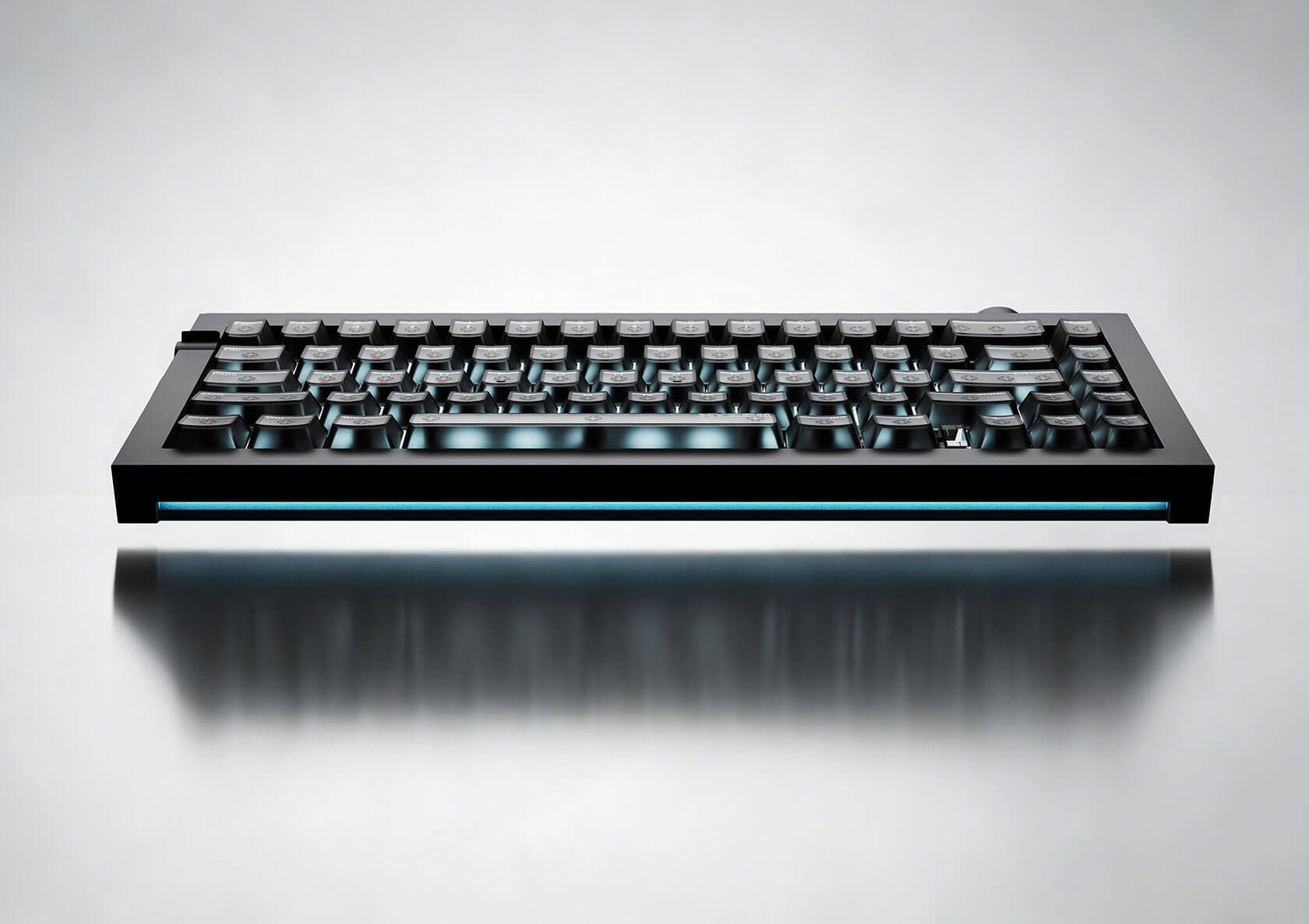
Lofree is trying to collapse one of the mechanical keyboard world’s biggest split decisions into a single board. The Hyzen packs Nexus switches, a TMR PCB that supports both magnetic and standard mechanical switches, and a 65% layout into a CNC-milled aluminum case with a fixed 12-degree typing angle. That makes the headline more than a marketing line: the board is being pitched as a way to keep a familiar mechanical feel while opening the door to magnetic-style tuning.
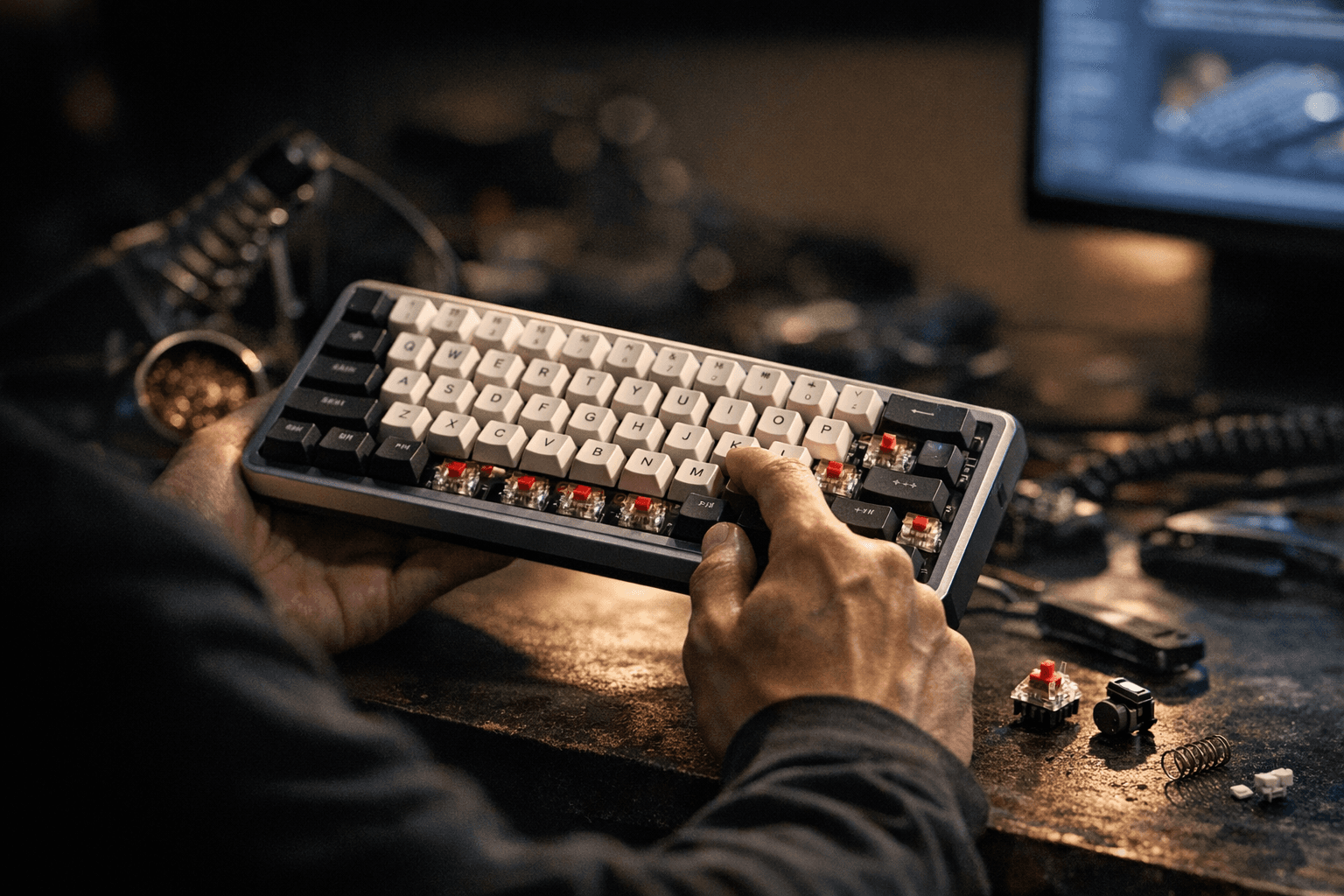
The switch story is where the Hyzen either earns its “hybrid” label or loses it. Lofree says the Nexus switches are hot-swappable, and reporting on the switch design describes a single housing that combines mechanical contacts with TMR magnetic sensing. That matters because the usual tradeoff has been stark: traditional mechanical boards give you familiar tactility and switch variety, while magnetic boards deliver adjustable actuation, rapid trigger, and analog-style input, but often at the cost of a different typing character. The Hyzen is trying to keep both sides in play. If that works as advertised, it would let a user buy into magnetic performance without giving up a mechanical baseline.
The rest of the hardware is clearly aimed at enthusiasts who want more than a gimmick. Lofree’s prelaunch material shows dual top-mounted knobs, a full-width LED light bar, and a side control that flips the top row between number and function-layer use. The board also supports tri-mode connectivity, and the wireless model is listed with a 10,000 mAh battery rated for up to 80 hours of use. Tech coverage says the Hyzen reaches 8 kHz polling in wired and 2.4 GHz wireless modes and uses a Nordic nRF54L-series MCU, which puts it firmly in the performance-focused camp rather than the office-keyboard lane.
The launch setup is as deliberate as the hardware. Lofree ran reservations from March 24, 2026, through April 22, 2026, with a $2 deposit locking in VIP pricing ahead of the Kickstarter campaign scheduled for April 23, 2026. VIP pricing is set at $169 for the single-mode version and $189 for the tri-mode version, while mailing-list subscribers without the deposit get early-bird pricing of $179 and $199. Each VIP customer can buy up to five units.
That pricing and the switch tech point to the same answer: the Hyzen does remove part of the old mechanical-versus-magnetic compromise, but not all of it. It gives the mechanical crowd a more familiar feel than a pure magnetic board, yet it still asks buyers to pay premium money for a specialized hybrid platform.
Know something we missed? Have a correction or additional information?
Submit a Tip