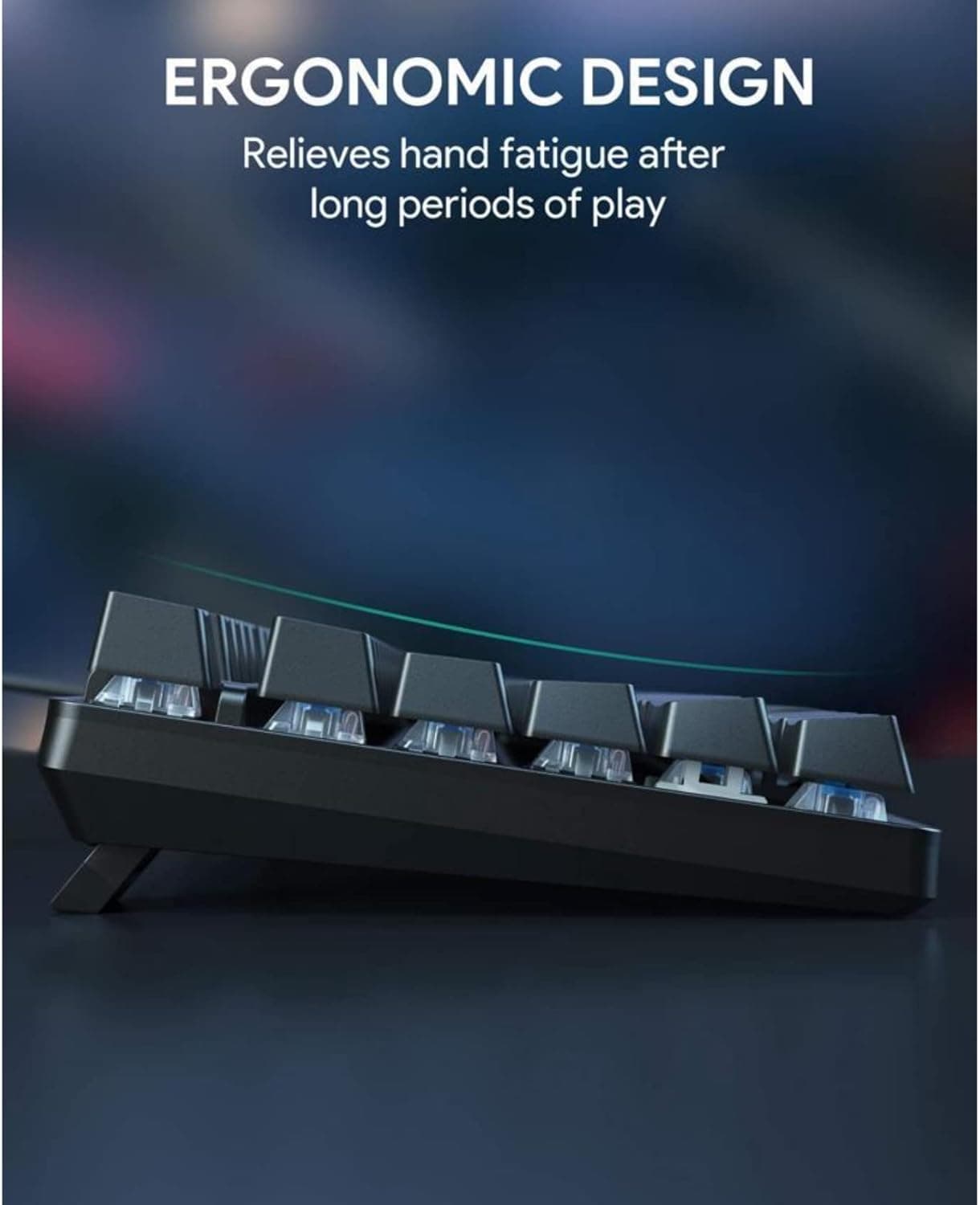
NuPhy Node100 JIS launch guides buyers through low-profile versus normal-profile keyboards
The Node100 JIS is really two keyboards in one family, and the right pick comes down to how much height, weight, and travel you want at your desk.
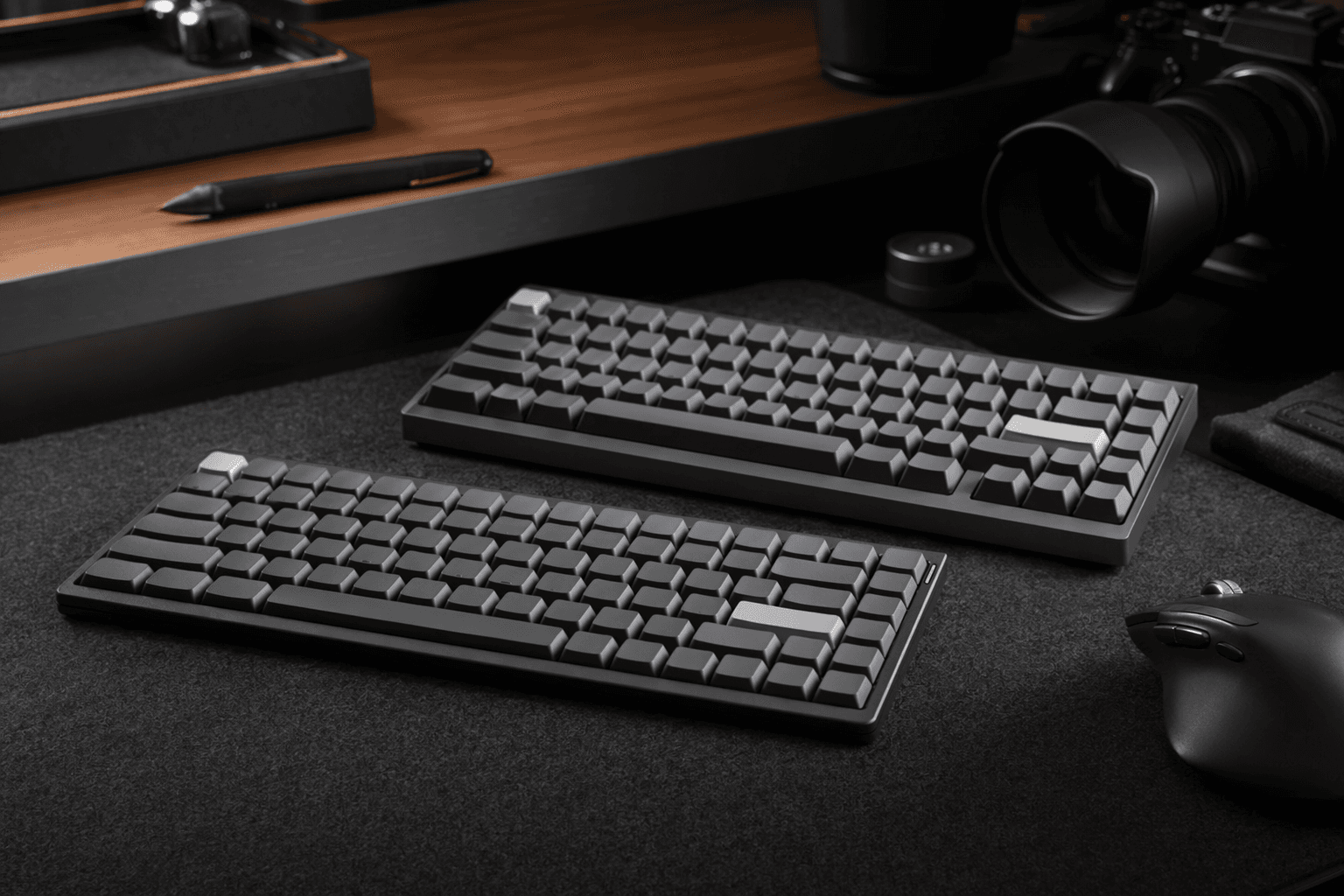
The choice starts with how you type
The Node100 JIS launch is less about a new board appearing and more about a familiar fork in the road: low-profile or normal-profile. set preorders for May 1, 2026 at 13:00 through DIGIART, BicCamera.com, and Yodobashi.com, and that timing matters because the product arrives as a real buying decision, not just a spec sheet. If you want the short answer, the low-profile version leans lighter, slimmer, and more laptop-like, while the normal-profile version leans into the taller, fuller mechanical feel many keyboard people still chase.
That split is especially important in a JIS market. Layout support, split spacebar behavior, and day-to-day familiarity with Japanese legends and key placement can matter as much as switch choice, and the Node100 JIS is built around that reality. The board is not asking whether you want a keyboard at all. It is asking what kind of mechanical keyboard fits your hands, your bag, and your desk.
What changes between the two versions
The clearest difference is physical. According to the press release, the normal-profile Node100 JIS uses 122 keys, weighs 1,084.3 g, and measures 441.8 mm wide. The low-profile version uses 114 keys, weighs 787.3 g, and measures 398.6 mm wide. That is not a cosmetic gap. It changes how the board sits on a desk, how much space it claims in a bag, and how quickly it disappears into a work setup.
Battery capacity follows the same pattern. The normal-profile model uses a 4,000 mAh battery, while the low-profile model uses a 3,000 mAh battery. Both support wired USB-C, Bluetooth 5.0, and 2.4 GHz wireless, with 1,000 Hz polling over wired USB-C and 2.4 GHz. In everyday use, that means either version can cover desk, laptop, and wireless setups, but the low-profile model gives up some heft and battery size to stay slimmer and more portable.
Who should lean low-profile
The low-profile Node100 JIS makes the most sense if your keyboard life already overlaps with laptop life. NuPhy’s own Node 75 and Node 100 product pages describe the series as tri-mode wireless low-profile mechanical keyboards in 75% and 100% layouts, and that framing tells you exactly who the company thinks this version serves. You get shorter travel, a lower typing height, and a silhouette that is easier to carry from room to room or tuck beside a notebook.
NuPhy has also been clear in its broader guidance that low-profile is not just about looks. In its Kick75 materials, the company frames profile choice as a decision about switches, ergonomics, and ecosystem compatibility, and it describes low-profile Nano switches as having 3.5 mm total travel. That is a meaningful difference if you like a quicker bottom-out, want a flatter wrist angle, or simply prefer a typing motion that feels less raised and less forceful.
The low-profile route also suits people who want the Node100’s Japanese layout without committing to a taller board. In practical terms, that can make adaptation easier for users moving from laptop keyboards, compact office boards, or slim wireless boards from other brands. If you want JIS support, wireless flexibility, and a lighter chassis without giving up the mechanical category, this is the version that keeps the compromise narrow.
Who should stay with normal-profile
The normal-profile Node100 JIS is the safer bet if you want the keyboard to feel unmistakably mechanical the moment your fingers land on it. RTINGS describes the Node Series as using a plastic chassis and a gasket-mounted design that produces a softer typing feel than conventional tray-mounted designs, and that softer mount pairs naturally with the taller, more traditional proportions of a normal-profile board. If you enjoy a deeper keywell feel, more familiar cap height, and the more substantial presence of a full-size keyboard, this is the version that gives you that experience.
That extra mass also matters. At 1,084.3 g, the normal-profile model is much less travel-friendly than the low-profile version, but that weight can be an advantage on a fixed desk. A heavier board tends to stay put, feel planted, and reinforce the sense that it is a permanent part of the setup rather than a throw-in-the-bag accessory. If your keyboard lives under your hands for long sessions and rarely leaves the desk, the normal-profile model makes the stronger case.
Key count is another quiet clue. The normal-profile board’s 122-key layout suggests a fuller treatment of the JIS format, which can be appealing if you rely on extra navigation keys or simply want more of the traditional full-size structure. For users who already know they prefer a classic mechanical typing posture, the normal-profile Node100 JIS is the version that preserves the ritual.
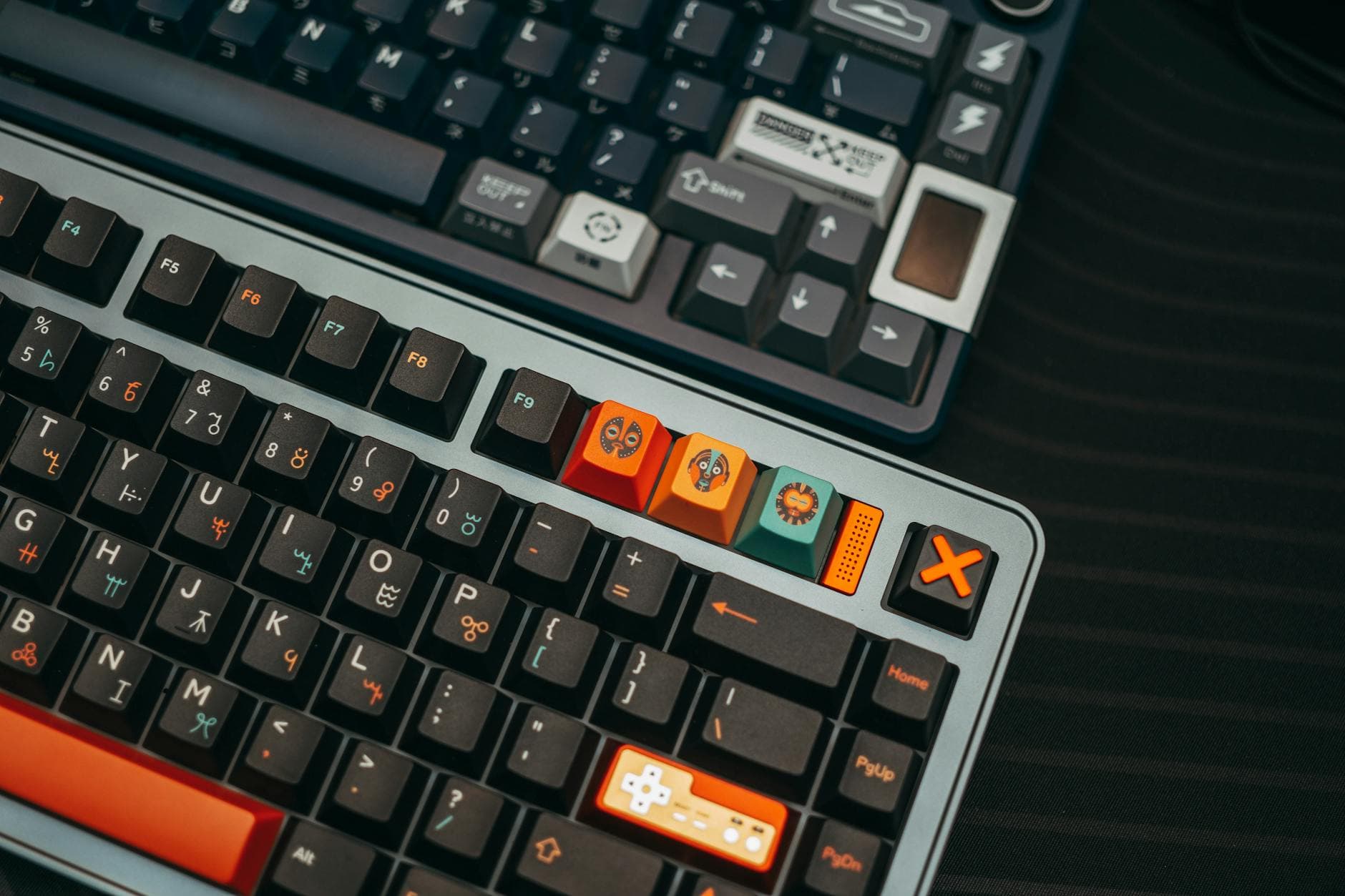
Why the JIS version matters beyond the layout
The launch is important because it localizes a familiar NuPhy idea for Japan instead of treating JIS as an afterthought. NuPhy’s Node 75 and Node 100 had already been presented globally as parallel low-profile and high-profile families, and the Japanese launch turns that product strategy into a local buying choice. Greenkeys had already positioned the Node line as one of NuPhy’s more cost-effective keyboards, with office-friendly styling and a deliberate choice between low-profile and normal-profile, so the Node100 JIS fits neatly into that broader identity.
That broader context matters because the Node line is not trying to win only on novelty. It is trying to make profile choice legible. TechPowerUp described the Node 100 as a new low-profile and full-height retro mechanical keyboard, which captures the core appeal: same family, very different typing mood. The Node100 JIS simply makes that decision in a format that Japanese buyers can actually use without compromise.
How the everyday tradeoffs feel in practice
In daily use, the profile choice comes down to a few concrete tradeoffs.
- Comfort: low-profile usually feels easier if you want less hand lift and a flatter typing angle. Normal-profile feels better if you like more vertical travel and a more traditional mechanical stance.
- Sound: the gasket-mounted Node Series design already softens the typing feel versus tray-mounted boards, but the normal-profile board is still the more classic route if you want a fuller mechanical presence.
- Portability: the low-profile model wins clearly here. At 787.3 g and 398.6 mm wide, it is the easier board to move around.
- Keycap compatibility and ecosystem: NuPhy’s own framing suggests this is not just about one board, but about the switch and accessory ecosystem around it. If you care about staying inside a specific profile world, that matters.
- Adaptation time: low-profile is usually easier for laptop-adjacent users to adapt to quickly. Normal-profile may take longer if you are coming from slim boards, but it can feel more satisfying once it clicks.
The decision in one sentence
If you want the most portable JIS Node with a flatter, faster, more laptop-adjacent feel, buy the low-profile Node100 JIS. If you want the fuller mechanical experience, the heavier desk presence, and the more traditional typing posture, stay with the normal-profile version. The launch is useful because it does not pretend those are small differences; it turns them into the entire point of the product.
This article was produced by Prism’s automated news system from verified source data, official records, and press releases, then run through automated quality and moderation checks before publishing. The system is built and supervised by the people who set the standards it runs under. Read our full AI policy.
Did this article answer your question?