TechRadar praises Keychron K3 HE's analog switches, notes tradeoffs
Keychron’s K3 HE pushes Hall-effect into a low-profile 75% board that feels promising for work, but it still asks buyers to accept magnetic-keyboard quirks.
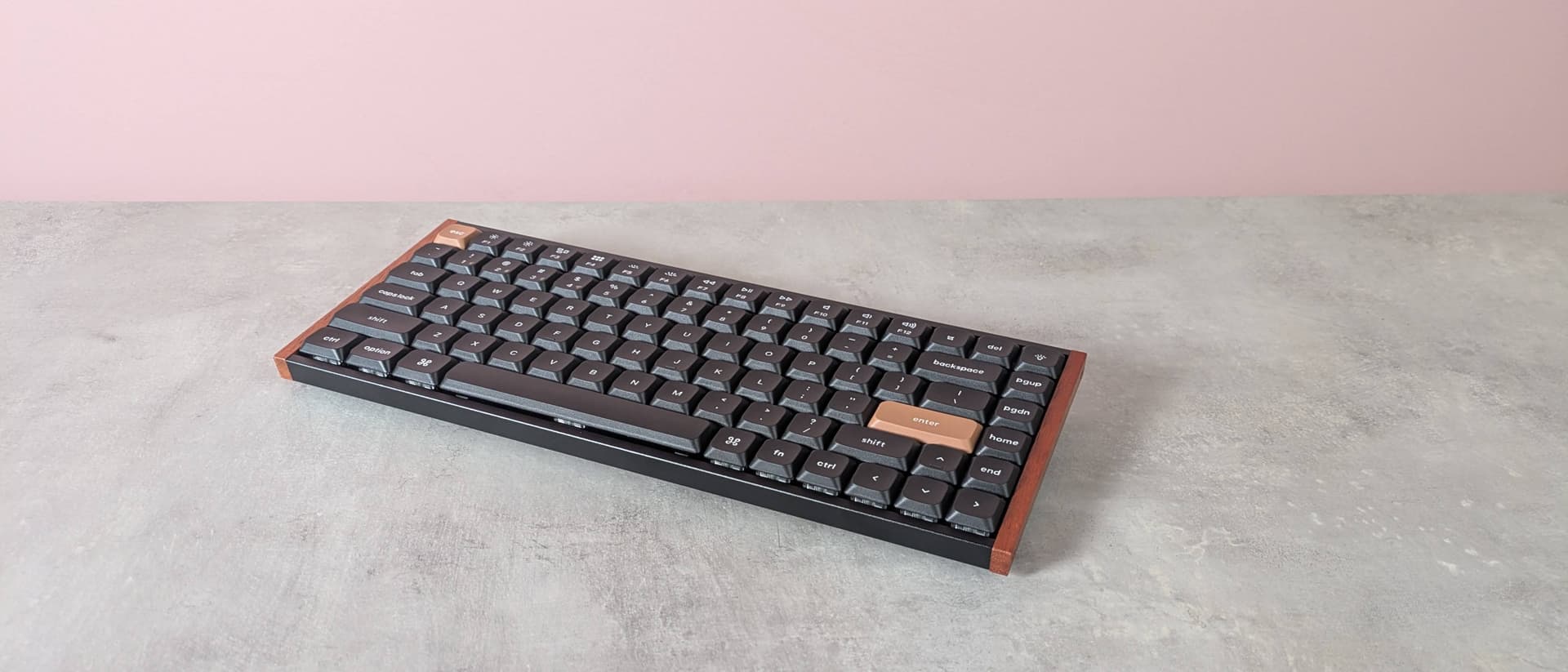
Hall-effect switches have usually sold themselves on speed and gaming tricks, not on the daily grind of a low-profile office board. The Keychron K3 HE tries to change that equation with an ultra-slim 75% layout, magnetic switches, and a $119.99 price that puts it squarely in reach of people who want a thinner desk setup without giving up enthusiast-grade features.
Keychron’s pitch is straightforward. The K3 HE is a wireless keyboard for Mac, Windows, and Linux, and it uses the company’s Ultra-Fast Lime low-profile magnetic switches, powered by Hall Effect sensing. That matters because the analog side of the board is the whole point: adjustable actuation, rapid trigger behavior, and software-based tuning are what separate this class from a standard low-profile mechanical board. For a lot of mechanical-keyboard users, those features have felt like extras bolted onto gaming hardware. The K3 HE is trying to make them part of a practical productivity package.
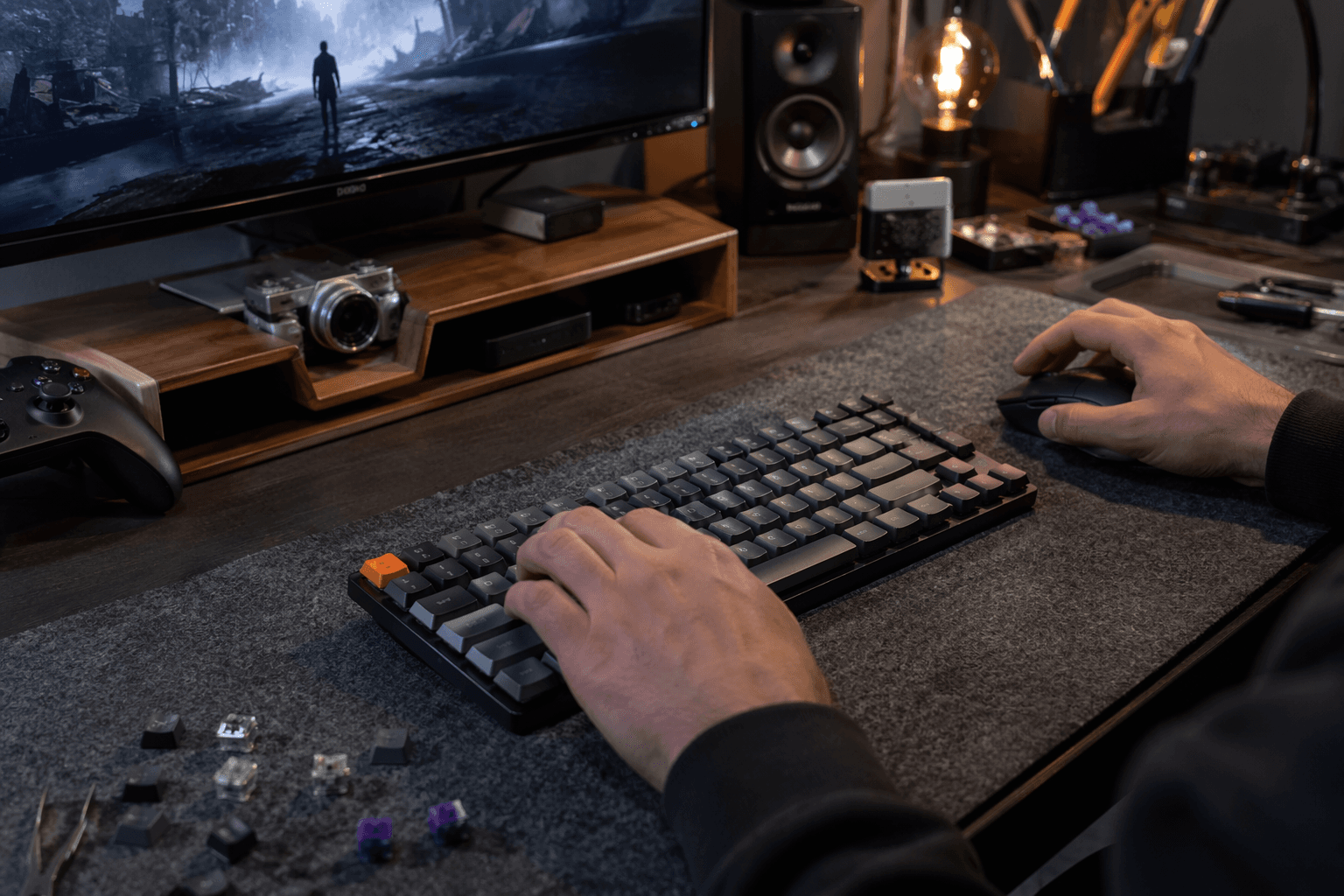
That is also where the comparison to Keychron’s earlier K3 line gets interesting. The K3 Version 3 sits in a different lane as a low-profile mechanical keyboard, with Bluetooth 5.2, wired connectivity, and key remapping or macros through the Keychron Launcher web app. The K3 HE keeps the thin profile and wireless angle, but swaps the familiar mechanical feel for magnetic sensing and the more flexible actuation model that comes with it. In other words, this is not just another slim keyboard with a new badge. It is Keychron testing whether low-profile users actually want analog control, not just spec-sheet novelty.
Keychron has also been careful about the naming. The company says it uses “HE” because that is the term most people in the market already understand, even though some of its magnetic products rely on TMR technology rather than traditional Hall Effect hardware. That kind of branding shuffle matters less to the switch nerd than the question at hand: does the board feel better to type on than a normal low-profile mechanical board, and do the analog features earn their keep outside of games?
The answer looks like a qualified yes. TechRadar’s hands-on take centered on the K3 HE’s distinctive typing feel and treated it as part of a growing wave of analog keyboards, not a one-off curiosity. That is the real shift here. The K3 HE is not trying to replace every low-profile mechanical board, but it does make the Hall-effect idea feel less like gamer bait and more like a credible path for slim, productivity-first keyboards.
This article was produced by Prism’s automated news system from verified source data, official records, and press releases, then run through automated quality and moderation checks before publishing. The system is built and supervised by the people who set the standards it runs under. Read our full AI policy.
Did this article answer your question?