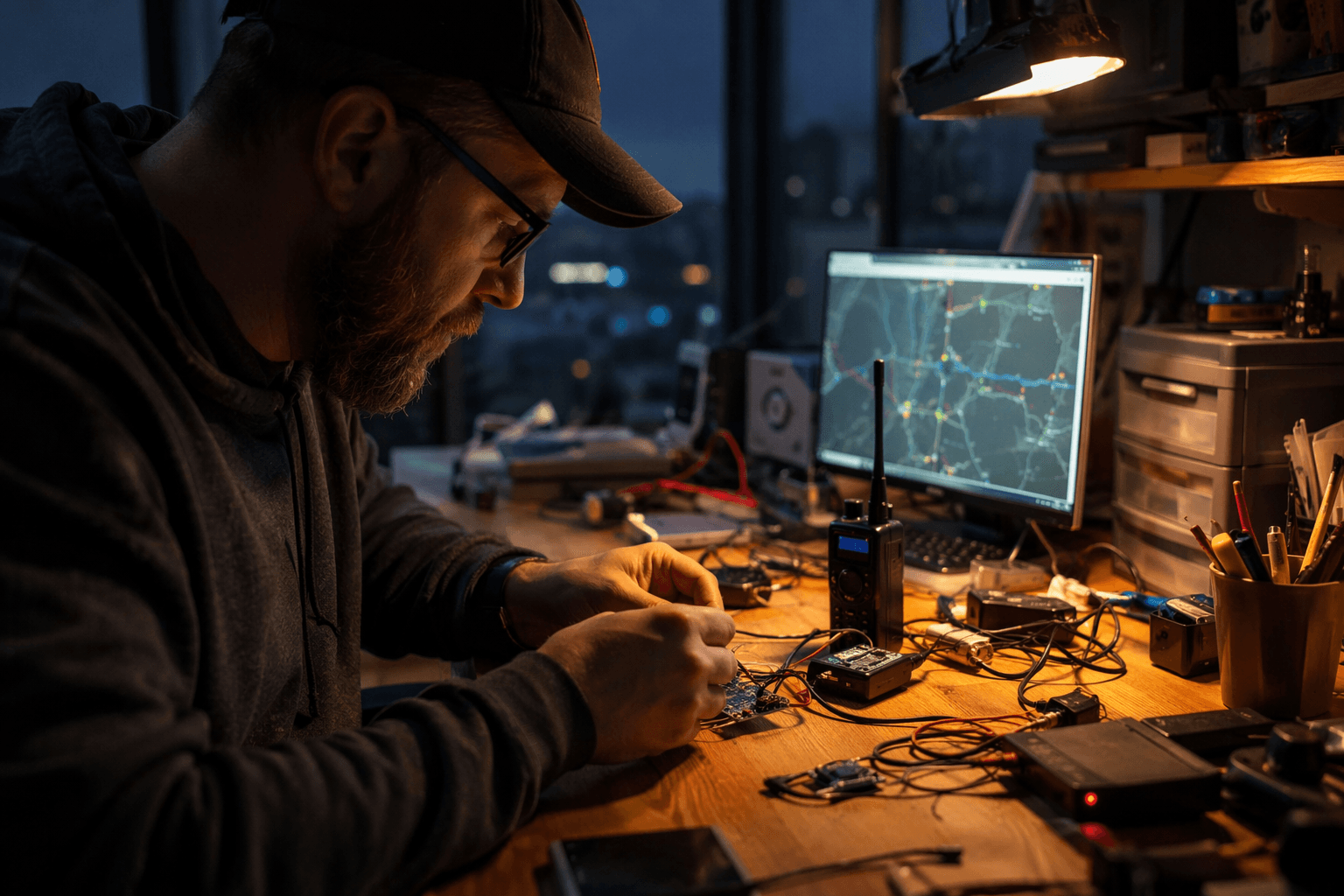
Cheap solar landscape lights make discreet Meshtastic nodes possible
A $15 solar garden light can hide a Meshtastic node outdoors, but the real trick is budgeting power, antenna placement, and maintenance before the mesh goes live.

Why the cheap garden light trick works
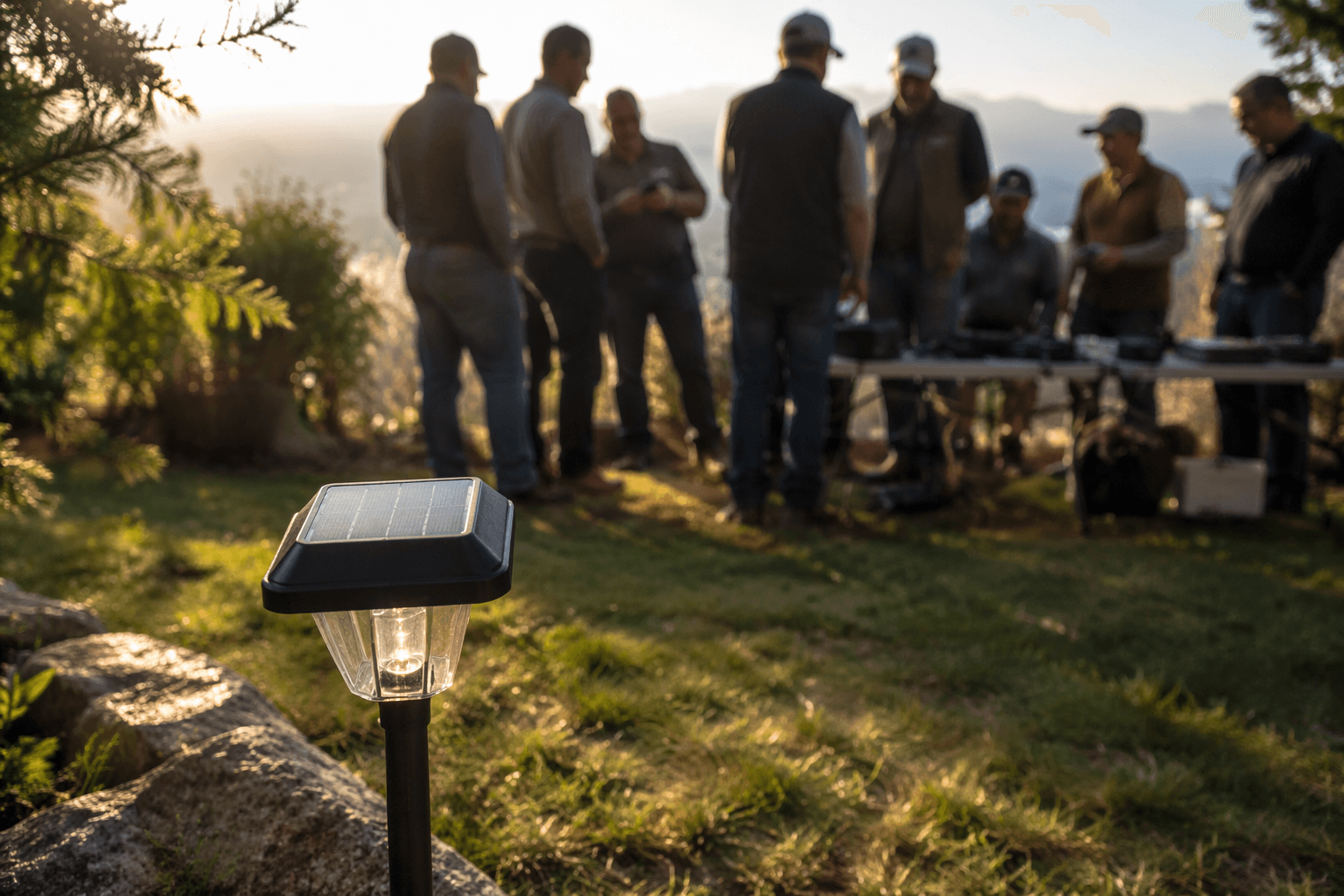
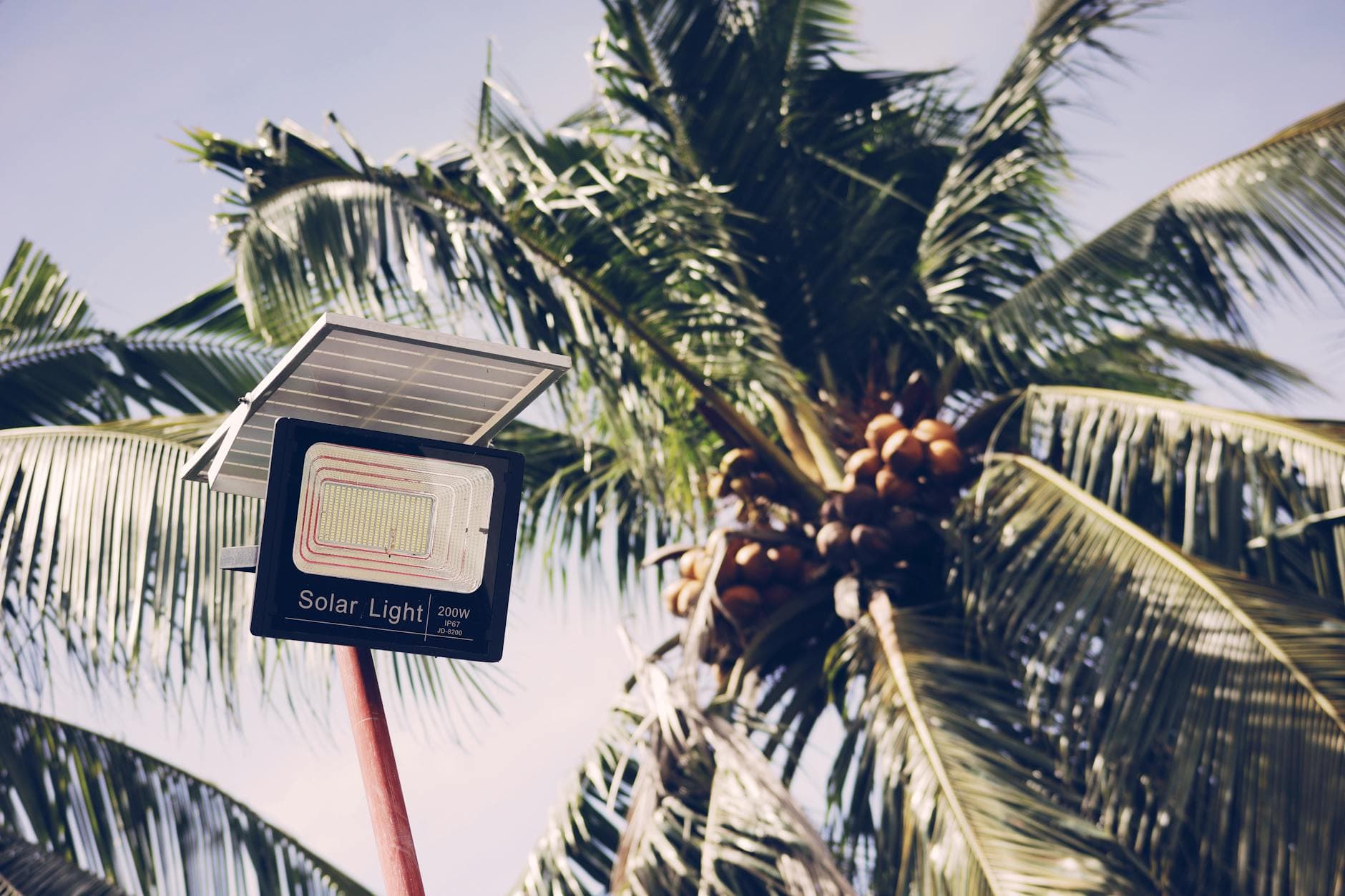
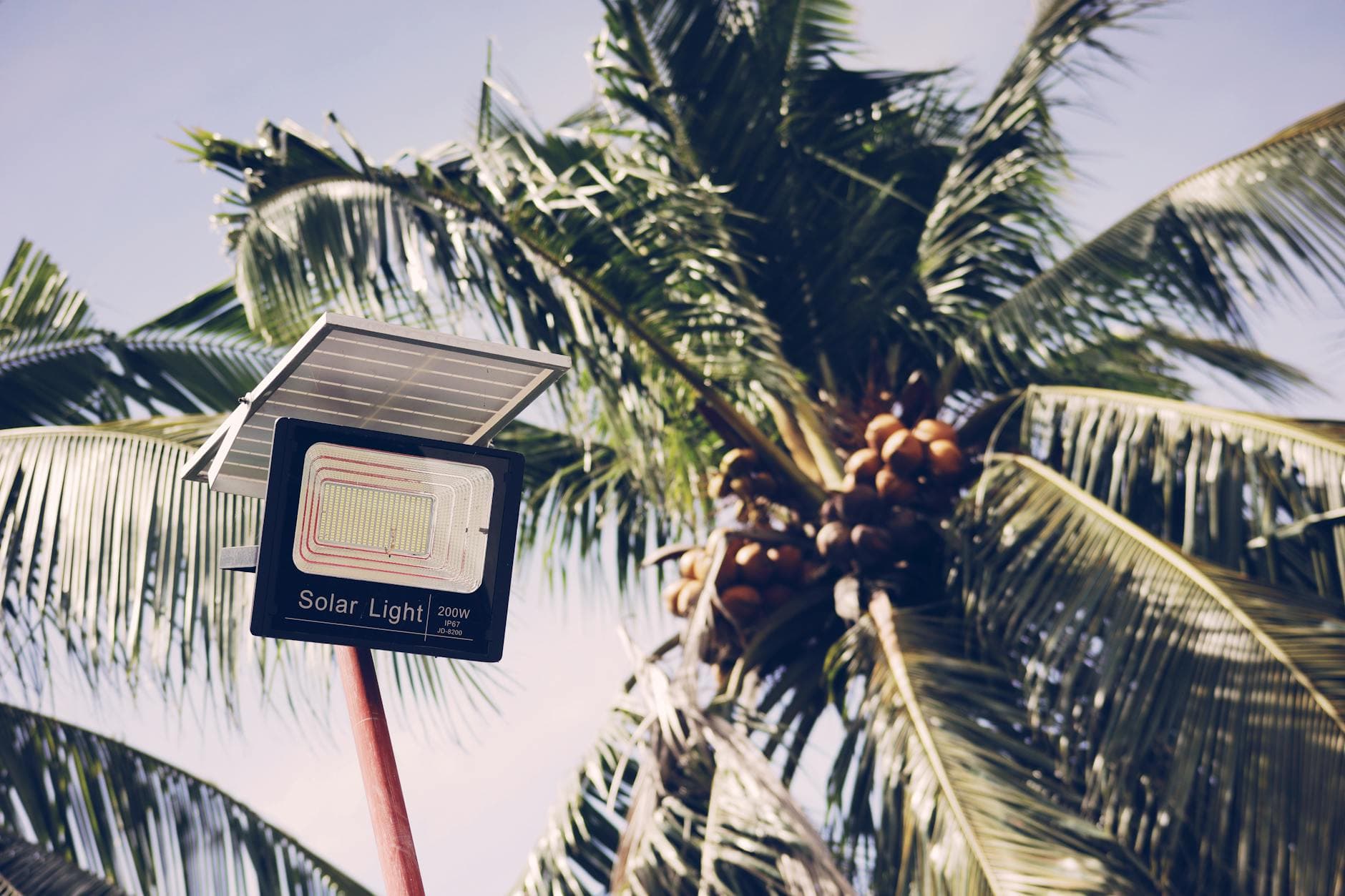
The best solar Meshtastic build is the one that looks like it was never meant to be a Meshtastic build at all. A basic solar landscape light already solves three problems at once: it gives you a weather-tolerant enclosure, it includes a battery, and it brings its own panel for trickle charging. That makes it a surprisingly natural host for a low-power mesh node that needs to blend into a yard, a fence line, or another public-facing spot without advertising itself as hobby electronics.
That fit matters because Meshtastic is built around small, affordable devices that relay messages through the mesh and can retransmit them up to three times if no confirmation comes back. In practice, a node that stays powered and survives outdoors is often more valuable than one that looks polished on a bench. The project describes itself as an open-source, off-grid, decentralized mesh network, and it is 100% community driven, with more than 100 repositories under its GitHub organization. The solar-light enclosure hack sits squarely in that culture: practical, cheap, and just clever enough to feel inevitable once you see it.
The Harbor Breeze build is the reference point
The Meshtastic community-enclosures page preserves a Harbor Breeze solar-light hack credited to Tavis Gustafson, known as tavdog, as a reference build. The attraction is obvious once you break down what is inside a roughly $15 Harbor Breeze solar LED light: a solar panel, a lithium-ion cell, and a charge controller, all packaged in a waterproof enclosure. That is already most of what a simple outdoor node wants, which is why the hack keeps resurfacing as a pattern instead of fading as a one-off novelty.
The appeal is not just thrift. A cheap solar light gives you a discreet shell that can be mounted where a purpose-built box would look awkward or attract attention. For community meshes, garden deployments, and experimental infrastructure, that low-visibility approach can be more useful than a commercial enclosure with a louder footprint. It is the kind of build that rewards restraint: the fewer new parts you add, the less there is to fail.
Start with the power budget, not the panel
Meshtastic’s own solar guidance puts the first job in the right place: measure device power consumption before deciding what size panel and battery bank you need. That sounds obvious, but it is the step most likely to separate a node that runs for months from one that dies after a few cloudy days. If the load is not understood first, the enclosure becomes a guessing game, and guessing is expensive when the whole point is to keep the build cheap.
A sane solar-light conversion should be approached in this order:
- Measure how much power the device actually uses.
- Match the panel and battery to that load, not the other way around.
- Check whether the light gets enough daylight where you want the node to live.
That last point is the quiet killer. The panel may be built in, but placement still decides whether the node is a reliable field device or just a neat object that happens to blink on sunny afternoons.
Concealment is useful, but it is not magic
The solar-light form factor is attractive because it reduces visual clutter. Instead of a box, a dangling cable, and a separate battery pack, you get something that already belongs outdoors. That can make the node easier to tuck into ordinary surroundings, and it can lower the temptation to overbuild a station that does not need to announce itself.
Still, concealment has tradeoffs. A node that disappears into the landscape can be harder to inspect, and a fixed outdoor mount can make maintenance more annoying when the battery ages or the weather takes a toll. Antenna placement matters too, because the whole point of the enclosure is to preserve the radio link, not trap it. The best version of this hack keeps the hardware low-key without burying the RF performance under plastic, foliage, or a bad mounting angle.
What the official outdoor options add
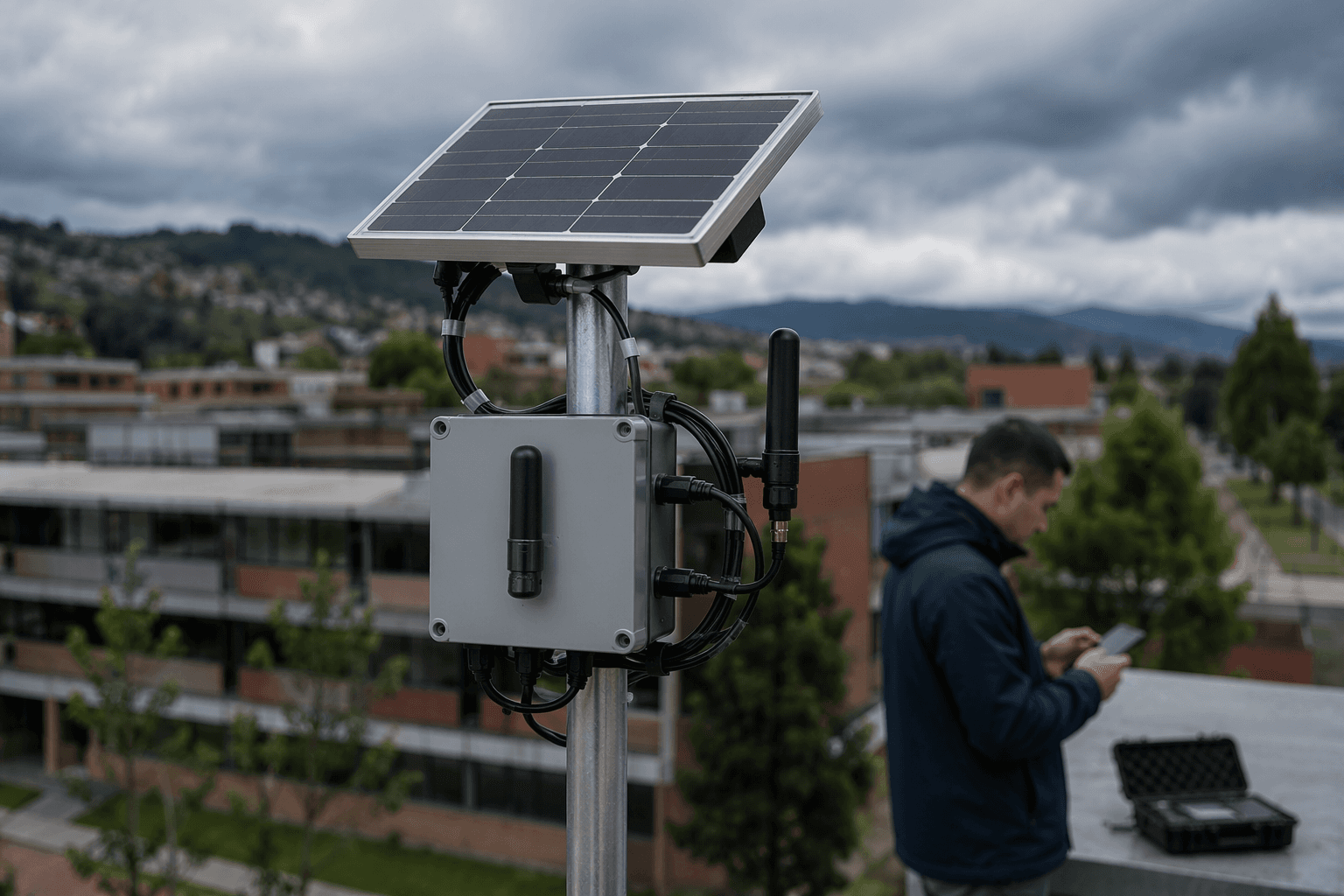
The reason this hack feels so durable is that Meshtastic has already documented more formal solar approaches alongside it. The Seeed SenseCAP Solar Node is presented as a solar-powered Meshtastic device for reliable, long-term outdoor deployment, with a 5W solar panel, slots for four 18650 batteries, and an internal Grove interface. That is a clear sign that the project sees solar as a serious deployment path, not just a novelty for tinkerers.
The RAK WisMesh Repeater pushes the same idea toward a sturdier fixed-location install. Meshtastic describes it as a robust outdoor device with support for external solar panels, optional high-capacity battery support, and an IP67-rated enclosure. Compared with the Harbor Breeze hack, those products buy you more certainty and less improvisation. Compared with the Harbor Breeze hack, they also cost more and give up some of the charm of repurposing something already sitting in the garden aisle.
The real tradeoff is between neatness and control
That is the core decision the solar-light build forces. If you want the cheapest path to a discreet, weather-tolerant node, the Harbor Breeze style conversion is hard to ignore. It uses consumer hardware that already solves the enclosure and power problems, and it fits the Meshtastic habit of making constrained hardware do useful work in the field.
If you want predictable long-term service, the purpose-built options make more sense. If you want the smallest possible bill and the least visible install, the solar-light route has a lot of appeal. The smart move is to treat it as a field-node tactic, not a party trick: budget the power, think about the antenna, accept the maintenance burden, and let the light earn its keep.
That is why the little solar garden fixture keeps showing up in Meshtastic circles. It is not pretending to be infrastructure. It quietly becomes infrastructure anyway.
Know something we missed? Have a correction or additional information?
Submit a Tip