Hackaday communicator badge gains Meshtastic support, becomes off-grid node
Hackaday’s communicator badge just turned into a real Meshtastic node, with GPS battery tweaks and firmware support that make it more than conference swag.

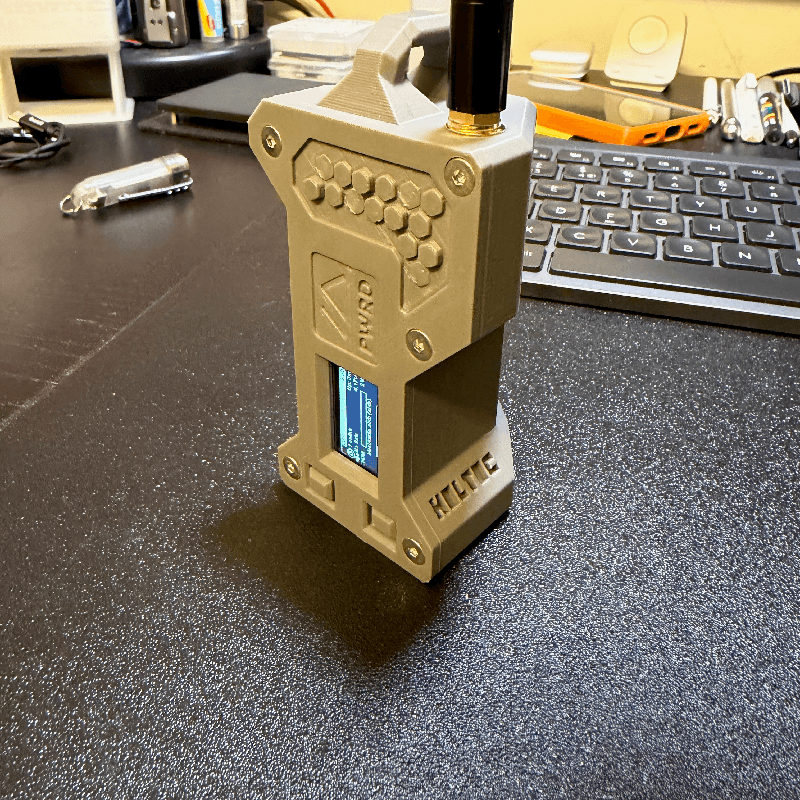
Hackaday took its communicator badge from novelty hardware to something that can actually live on a Meshtastic mesh. The new firmware adds support for Meshtastic proper and improves battery life behavior for the GPS module, which pushes the badge toward a wearable or pocketable off-grid node instead of a one-off badge you forget after the show.
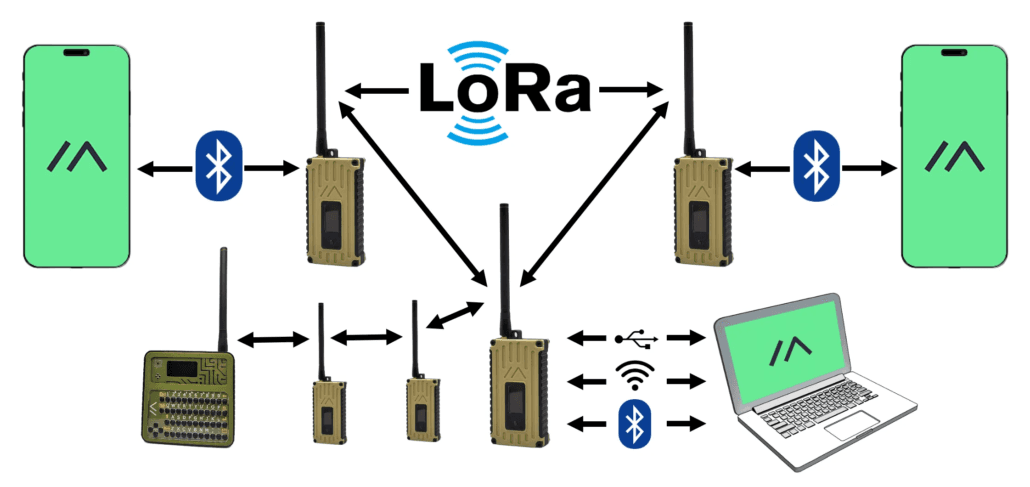
That matters because Meshtastic is built around cheap LoRa radios, not phones or towers. The project describes itself as an open-source, decentralized mesh network for affordable, low-power devices, with no cell towers, no internet, and peer-to-peer connectivity. In plain terms, this badge now fits the same model people use for club demos, field comms, and emergency experiments, where portability and battery discipline matter as much as radio range.
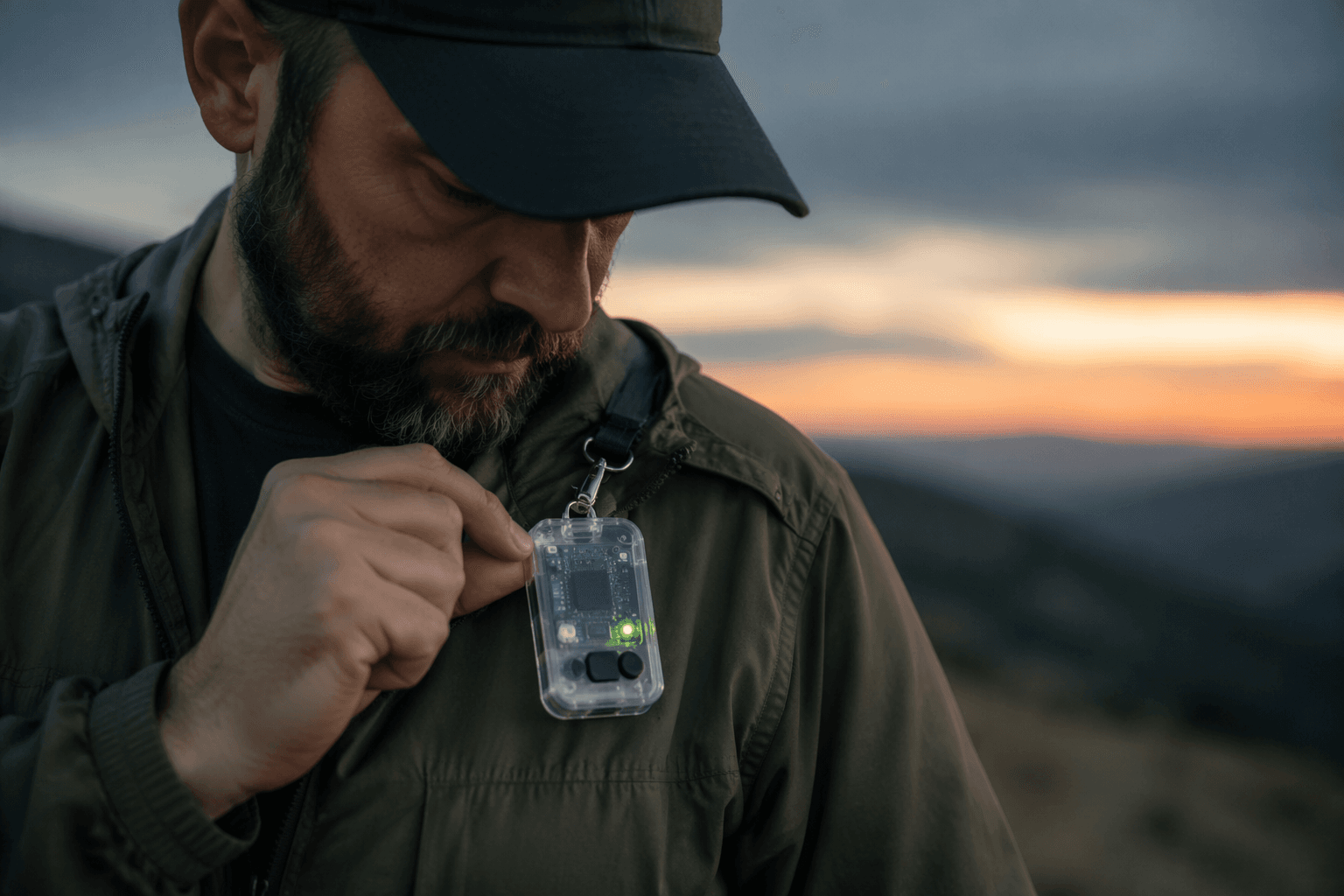
The catch is that this is still a tinkerer’s project. Installing the firmware requires ESP-IDF, which tells you exactly who Hackaday is aiming at here: the crowd that is comfortable flashing firmware, not casual users looking for a plug-and-play gadget. That is also where the badge’s value lands. A device like this is easy to clip on, easy to carry, and easy to turn into a node that can join a local mesh without feeling like dedicated radio gear.
The move also fits Hackaday’s own badge culture. The 2025 Communicator Badge was framed as a reveal for Supercon, then described as something built to be customized. Hackaday later went a step further and said attendees could reflash the badge after Hackaday Europe and turn it into “the sweetest Meshtastic device” out there. In that context, Meshtastic support looks less like a gimmick and more like the obvious next step for a badge meant to be hacked.
Meshtastic’s own numbers help explain why this kind of repurposing is catching on. The project says it now has more than 100 community-supported devices, 1,800 code contributors worldwide, 26 LoRa regions, and 39 languages. It also documents optional GPS-based location features and notes that ESP32-based devices generally draw more power than nRF52 boards, even if they bring more room for WiFi or higher-RAM use cases.
That is the real story here: a badge stopped being just a souvenir and started behaving like a field node. For Meshtastic, that is another sign the ecosystem is moving from hobby novelty into hardware people can actually carry, flash, and put to work.
This article was produced by Prism’s automated news system from verified source data, official records, and press releases, then run through automated quality and moderation checks before publishing. The system is built and supervised by the people who set the standards it runs under. Read our full AI policy.
Did this article answer your question?