Marion Baptist Association backs county-wide Meshtastic resilience network in Ocala
A church-backed Meshtastic build in Ocala is aiming county-wide reach, with solar repeaters on steeples and a May 2 meetup at Marion Baptist Association.
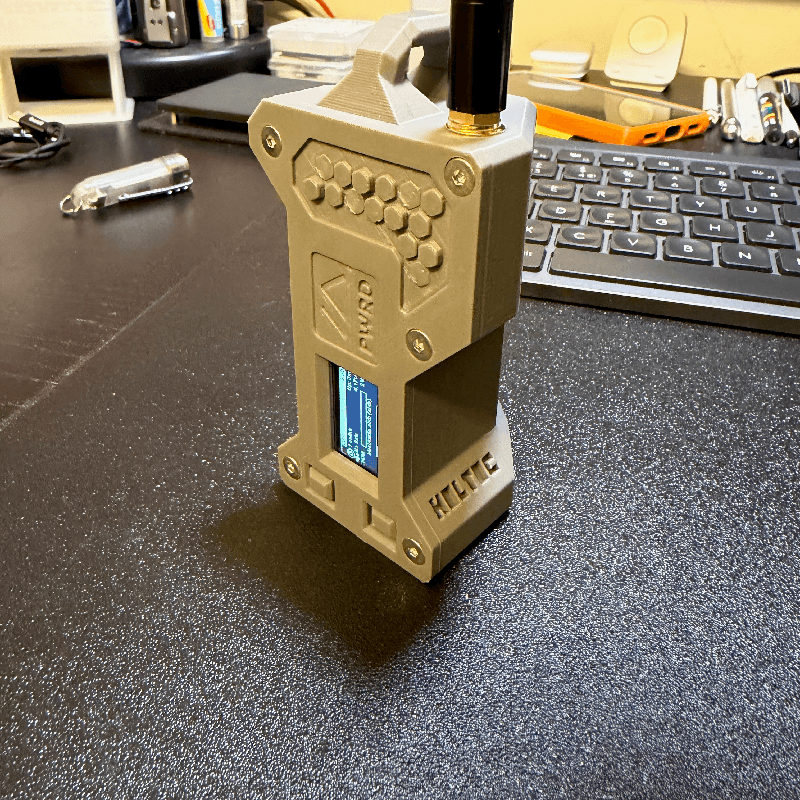
Marion Baptist Association is trying to turn Meshtastic from a hobby tool into county infrastructure. Through Marion Mesh, the Ocala-based network is aiming for a free, resilient, decentralized text-messaging system that can cover all of Marion County, with churches, local businesses, and residents all invited to help build it.
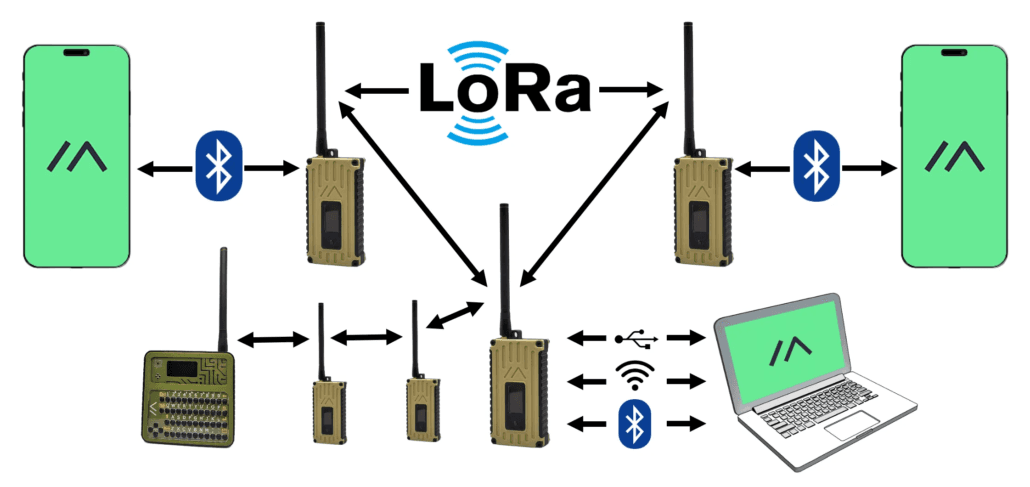
The pitch is practical and specific. Marion Mesh says the network uses Meshtastic radios to move text messages and location data without cell towers, internet access, or a monthly bill. Meshtastic’s own materials describe the system as an open-source, off-grid mesh built on affordable, low-power devices that use LoRa, a long-range radio protocol, to rebroadcast packets from node to node. In the Meshtastic app, a phone connects to the radio by Bluetooth, Wi-Fi/Ethernet, or serial, and the node passes the message through the mesh. Direct messages are encrypted with the recipient’s public key and signed by the sender’s private key, which gives the project a privacy angle as well.

That matters in Marion County, where the U.S. Census Bureau estimated the population at 428,905 on July 1, 2024, and 28.5% of residents were age 65 and over in the 2020-2024 estimate period. Marion County Emergency Management tells residents to identify evacuation routes, local shelters, and special-needs registration before storms. The case for backup communications is also reinforced by Florida’s recent storm history. FCC and congressional reporting on Hurricane Helene documented communications outages and persistent cell-site disruptions, and FCC status reporting on Hurricane Milton showed network outages in Florida as of Oct. 10, 2024.
The county-scale plan depends on trust as much as radio range. Marion Baptist Association, a network of Baptist churches cooperating for ministry, accountability, evangelism, and healthy church growth, is positioning churches as backbone sites for solar-powered repeaters on steeples, roofs, and other high points. That kind of site access, plus backup power and volunteer oversight, is what turns a mesh from a demo into a system people can count on when the grid is down.
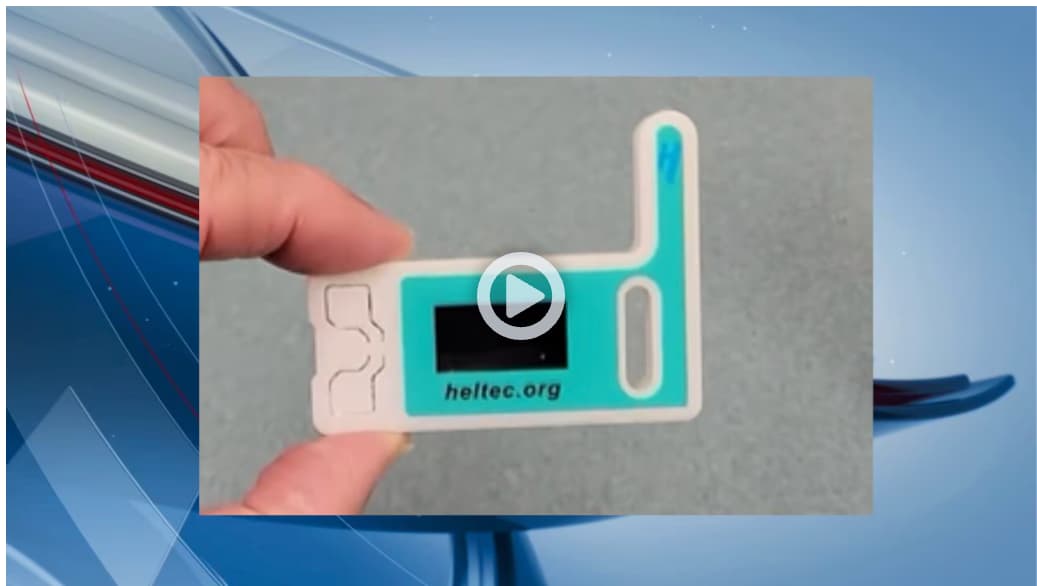
The effort was already visible in person. A Marion Mesh meetup was listed for Saturday, May 2, 2026, from 9:00 to 10:00 a.m. at 1520 NE 14th St. in Ocala, where participants were invited to meet over coffee and work on the build together. Marion Mesh says the effort was inspired by Austin Mesh in Texas, a solar-powered mesh radio network that lets people text without power or internet. Austin Mesh says Meshtastic is especially useful for data and travel, and notes that entry-level gear can cost about $13, while higher-end setups can run into the hundreds. That mix of low-cost hardware, church-hosted infrastructure, and public-facing organizing is what makes Marion Mesh feel less like a side project and more like a test case for what a real county-wide mesh could become.
This article was produced by Prism’s automated news system from verified source data, official records, and press releases, then run through automated quality and moderation checks before publishing. The system is built and supervised by the people who set the standards it runs under. Read our full AI policy.
Did this article answer your question?