M5Stack Cardputer Mesh Kit turns pocket device into Meshtastic terminal
M5Stack's Cardputer Mesh Kit adds a CapLoRa-1262 radio and GNSS module, turning the pocket Cardputer into a keyboard-first Meshtastic terminal.
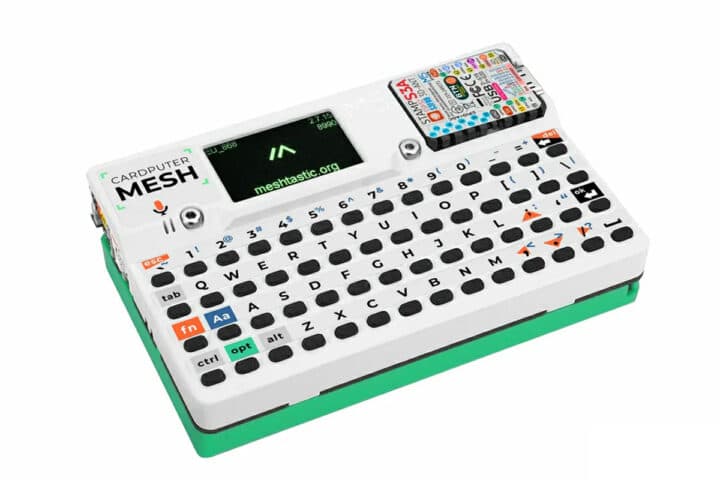
M5Stack has pushed the Cardputer deeper into Meshtastic territory with a new Mesh Kit that turns the pocket-sized developer board into a purpose-built off-grid messaging terminal. The kit launched on April 30, 2026, and the pitch is clear: keep the compact, card-like Cardputer form factor, but bolt on the radio hardware needed for serious mesh use.
At the center of the kit is the Cardputer-Adv controller paired with a new LoRa expansion module called CapLoRa-1262. That module combines a Semtech SX1262 transceiver with an AT6668 GNSS module, which gives the package two of the things Meshtastic users care about most in the field: text-based mesh communication and position reporting without a phone or cell coverage. The base unit still brings the Cardputer’s 56-key keyboard and 1.14-inch LCD, so the whole setup stays built around local interaction instead of a tethered app experience.
The hardware stack is a good fit for the crowd that likes to tinker but also wants something that behaves like an appliance. M5Stack is building around an ESP32-S3, with Wi-Fi, Bluetooth, and USB-C in the mix, so the kit does not feel like a one-trick radio board. It is modular rather than a ground-up redesign, and that matters. Anyone already invested in the Cardputer ecosystem can add Meshtastic capability without giving up the device’s familiar controls or compact footprint.
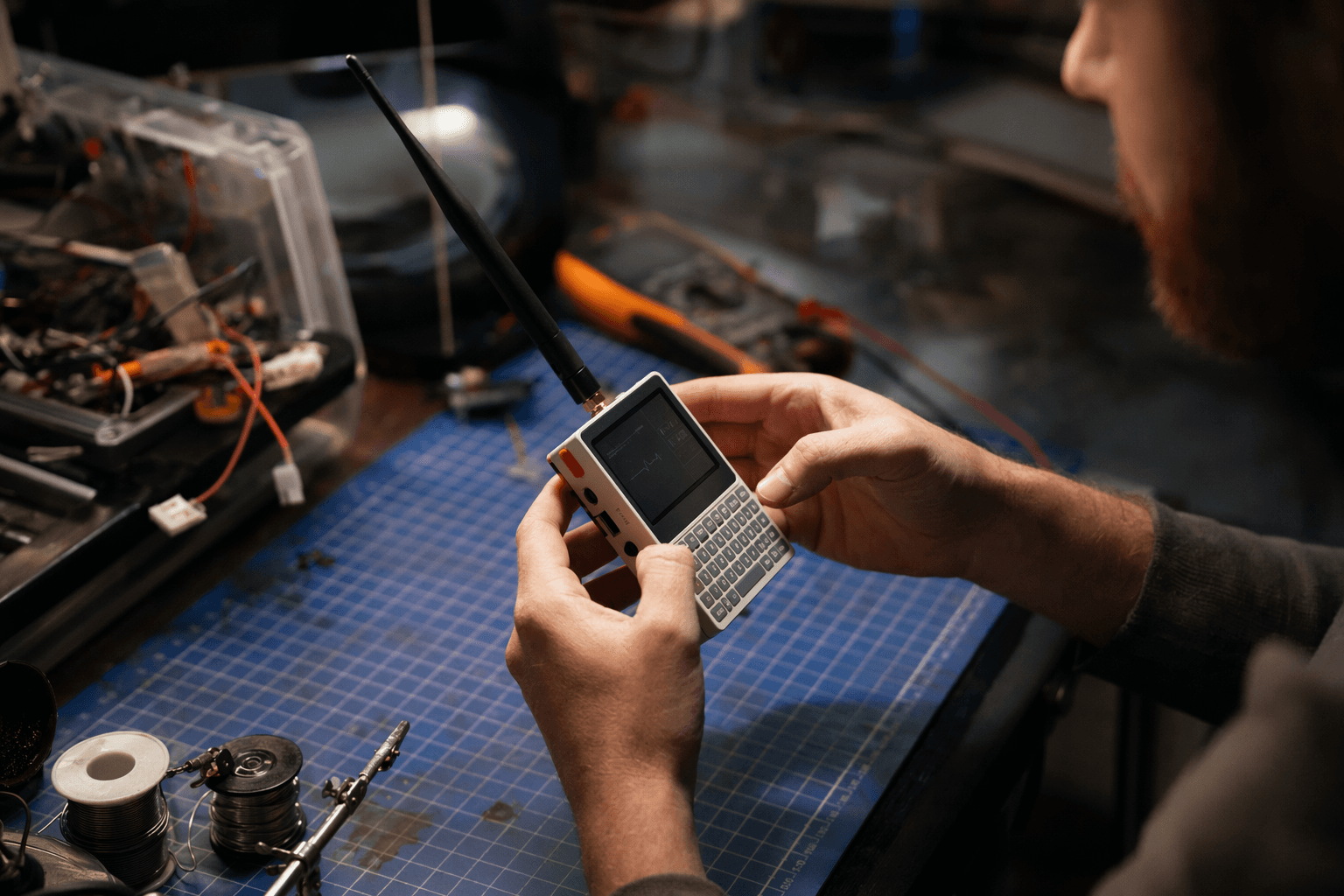
That approach also makes the kit interesting beyond casual messaging. Hikers, preparedness groups, and field testers get a keyboard-first terminal with integrated GNSS, which is a cleaner setup than juggling a phone and a separate node. Developers may see an even bigger opportunity here, because the combination of tactile input, LoRa, and location hardware makes the Cardputer Mesh Kit a practical testbed for custom firmware and interface work. M5Stack is betting that Meshtastic hardware does not have to be rugged in the bulky sense to be useful; it just has to be easy to carry, easy to configure, and ready to send when the network is your only network.
This article was produced by Prism’s automated news system from verified source data, official records, and press releases, then run through automated quality and moderation checks before publishing. The system is built and supervised by the people who set the standards it runs under. Read our full AI policy.
Did this article answer your question?