RAKwireless Launches WisMesh Pi HAT for Reliable Meshtastic Gateways
RAKwireless’s new WisMesh Pi HAT cleaned up Pi-based Meshtastic builds, starting at $14 and offering a 1W booster option for longer-range fixed nodes.
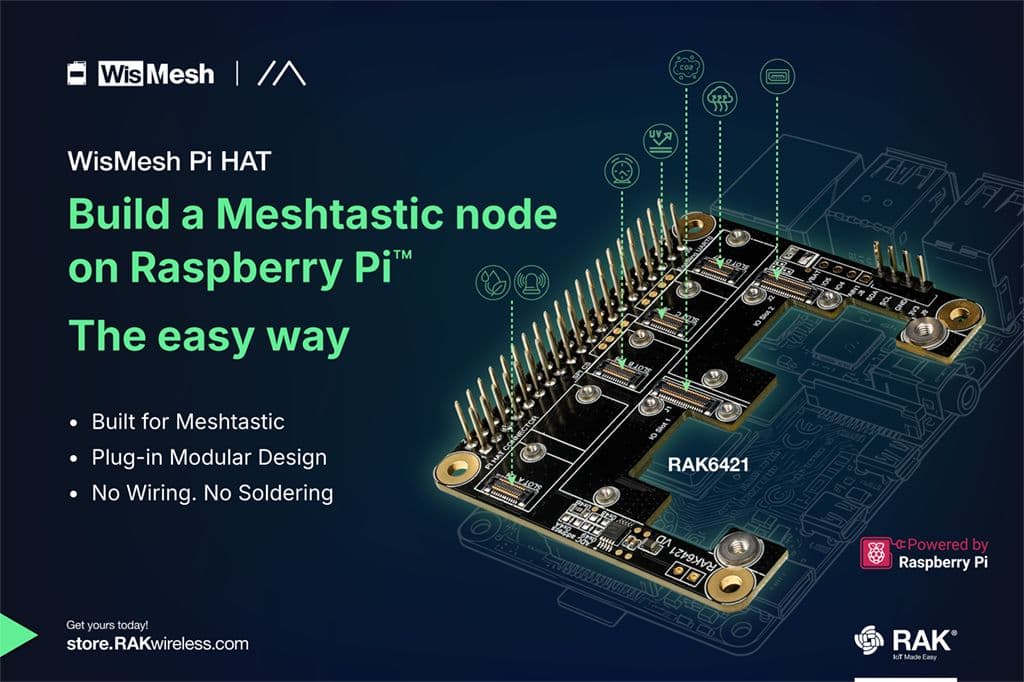
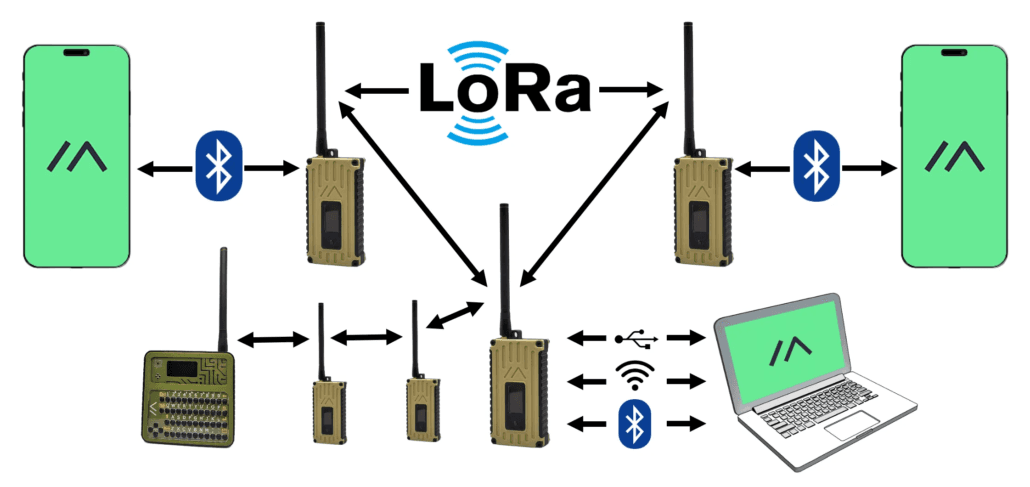
RAKwireless pushed Meshtastic a little closer to real infrastructure with the WisMesh Pi HAT, a board built for Raspberry Pi gateways, relays, and always-on nodes. The launch, reported on April 30, 2026, centered on one simple improvement: making Pi-based mesh hardware cleaner, sturdier, and less prone to the loose connections that can trip up a homebrew gateway.
The board, sold as the WisMesh Pi HAT RAK6421, plugs WisBlock radios and sensors directly into the Raspberry Pi’s 40-pin header. That matters because a lot of Meshtastic builds still depend on USB adapters, jumper wires, and stacks of parts that can shift, loosen, or fail after a few weeks of running nonstop. RAKwireless framed the HAT as a better fit for setups meant to stay on all the time, whether the job is logging, MQTT bridging, or simply extending mesh coverage across a neighborhood.
Pricing starts at $14, with the RAK store also offering bundles that pair the board with a Raspberry Pi 4 or Raspberry Pi 5. Higher-priced versions depend on which modules are selected, but the pitch is clearly aimed at builders who want a fixed installation instead of another experimental desk rig. RAKwireless also made room for two radio paths: a standard LoRa module and a higher-power 1W booster option. That extra output gives the HAT a stronger case for a city relay, a backbone node, or any gateway that needs more reach than a handheld node can offer.
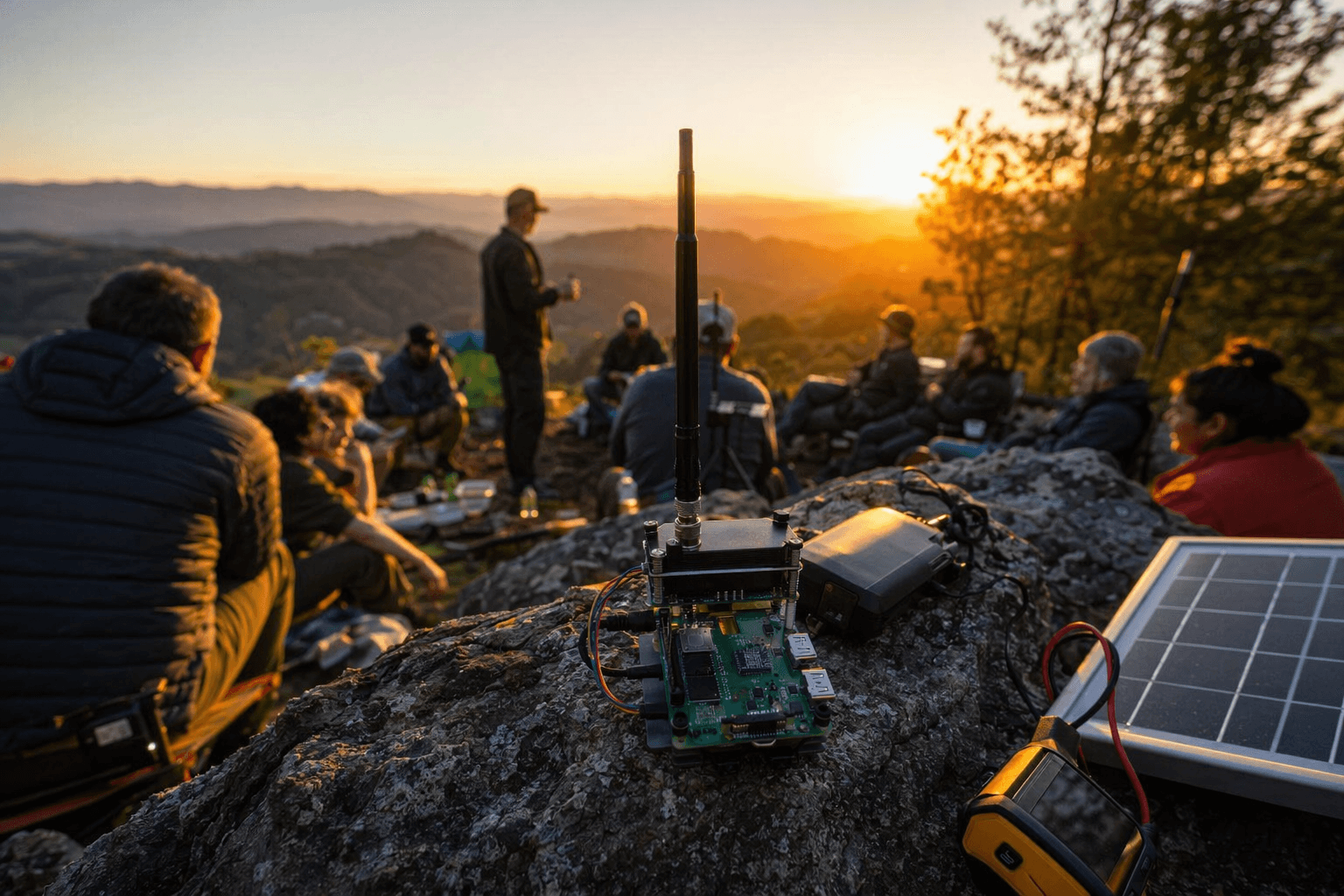
The ecosystem does not stop at radio hardware. Sensor add-ons and GNSS support are part of the package, turning the Pi HAT into more than a carrier board. It becomes the base layer for a fuller Meshtastic install, one that can tie location data, environmental sensors, and mesh traffic into a single fixed node. For clubs, neighborhood meshes, and anyone building a permanent station, the appeal is obvious: better cable management, fewer points of failure, and a cleaner path into the Linux-native Meshtastic setups now bridging mesh traffic into IP services like MQTT and local monitoring dashboards.
For a community that has long prized improvisation, the WisMesh Pi HAT reads like a sign of maturity. Meshtastic is still plenty hackable, but RAKwireless is betting that more users now want their gateways to look less like a tangle of parts and more like infrastructure that can be left running.
This article was produced by Prism’s automated news system from verified source data, official records, and press releases, then run through automated quality and moderation checks before publishing. The system is built and supervised by the people who set the standards it runs under. Read our full AI policy.
Did this article answer your question?