MeshMonitor adds impersonation detection for Meshtastic node spoofing
MeshMonitor v4.9.4 now flags packets that spoof your own node, separating forged traffic from real sends on Meshtastic meshes.

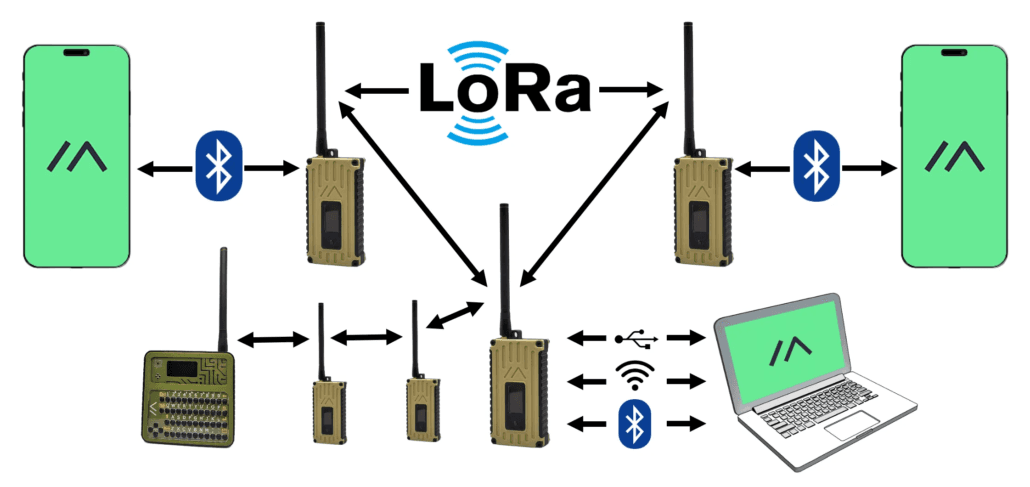
A forged packet that pretends to be your own node is exactly the kind of mess that can make a Meshtastic dashboard lie to you, and MeshMonitor v4.9.4 moved to stop it. The June 9 release added impersonation detection so packets claiming to come from your node are no longer treated as normal outgoing traffic when they were actually injected from somewhere else on the mesh.
The change targets a real weakness in Meshtastic’s trust model. Meshtastic is an open-source, off-grid, decentralized mesh network built for low-power radios, but its documentation says it does not implement authentication on channel traffic. If an attacker has the channel key, impersonation is trivial. The project also relies on Trust On First Use for node identity, and it says there is no firmware-side way to confirm that a later User packet is not a spoof of a Node Number once that node has rolled off the NodeDB.

MeshMonitor’s answer is to look for transport clues that a true local send would not have. It checks received signal metadata, hop-count behavior, and the path the packet took through the network. If a packet shows radio reception markers and a hop pattern that could not have come from a direct local transmission, the dashboard marks it as suspected impersonation and keeps it visually separate from legitimate traffic. It also tracks recently transmitted packet IDs so it can avoid false alarms from ordinary rebroadcasts and MQTT echoes, which are common in live meshes.
That distinction matters because spoofed traffic can be more than a visual nuisance. On public and semi-public meshes, a forged packet can confuse operators, trigger the wrong automation, or make it look as if a node said something it never sent. MeshMonitor’s feature was opened as a GitHub issue on April 5, 2026, then shipped two months later as a practical detection layer rather than an auto-blocking system, since the packet itself can still be forged.
The timing lines up with a security problem Meshtastic already knows well. In a DEF CON attack writeup, the project said a researcher replayed modified NodeInfo messages at scale, calling it the first time that attack style had been observed on an active Meshtastic network and reported to developers. Meshtastic’s remote administration docs also note that firmware versions 2.5 and later can store up to three unique Admin Keys on each remote node, a reminder that security on the mesh depends on careful key handling as much as radio range. MeshMonitor v4.9.4 pushes that reality into the dashboard, where spoofed identity finally looks like the threat it is.
This article was produced by Prism’s automated news system from verified source data, official records, and press releases, then run through automated quality and moderation checks before publishing. The system is built and supervised by the people who set the standards it runs under. Read our full AI policy.
Did this article answer your question?