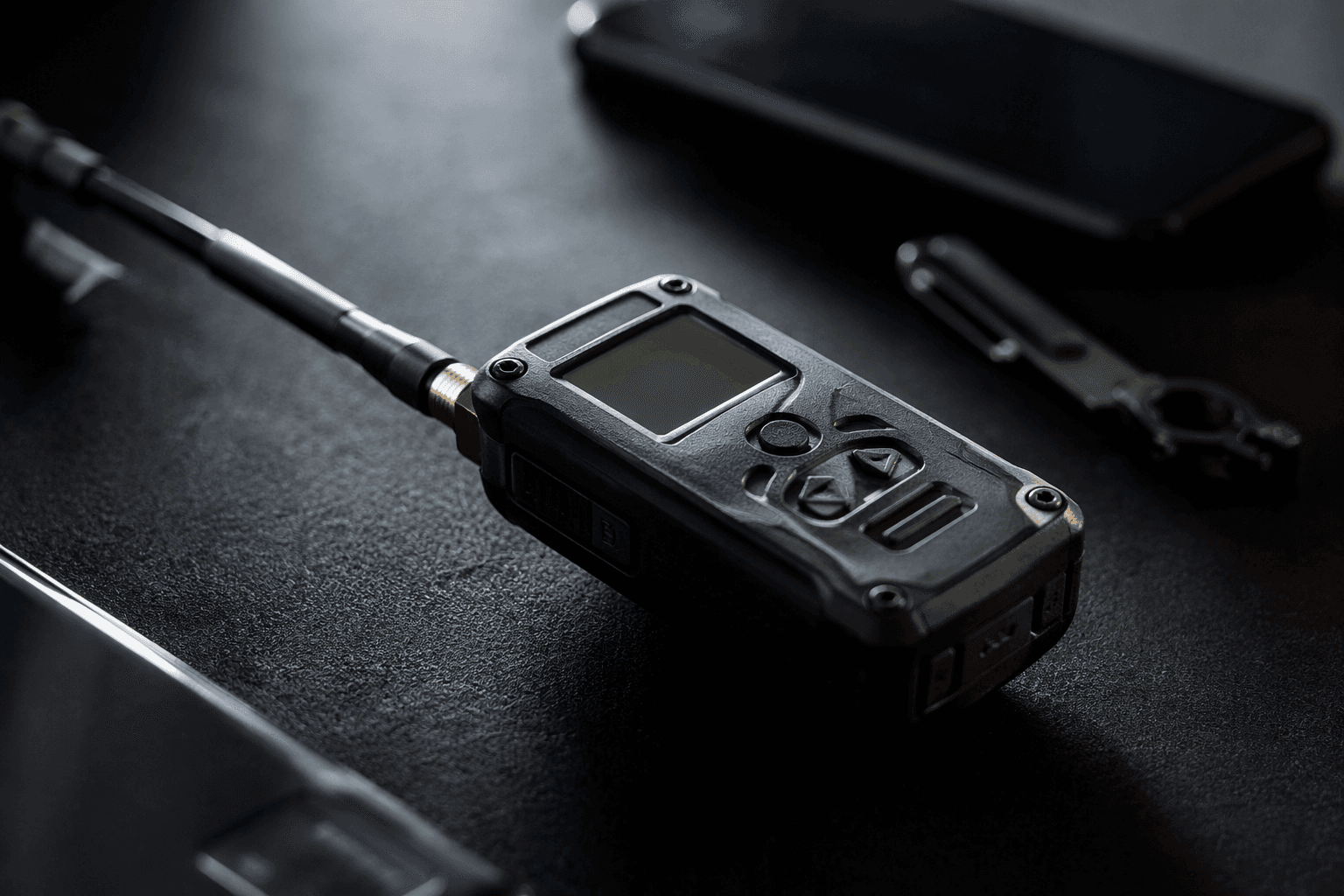
MeshMonitor v4.9.3 makes Meshtastic node location estimates easier to manage
MeshMonitor v4.9.3 pulls estimated positions into global controls, making noisy maps easier to prune and read. Operators can now batch-update mesh guesses instead of chasing them per source.
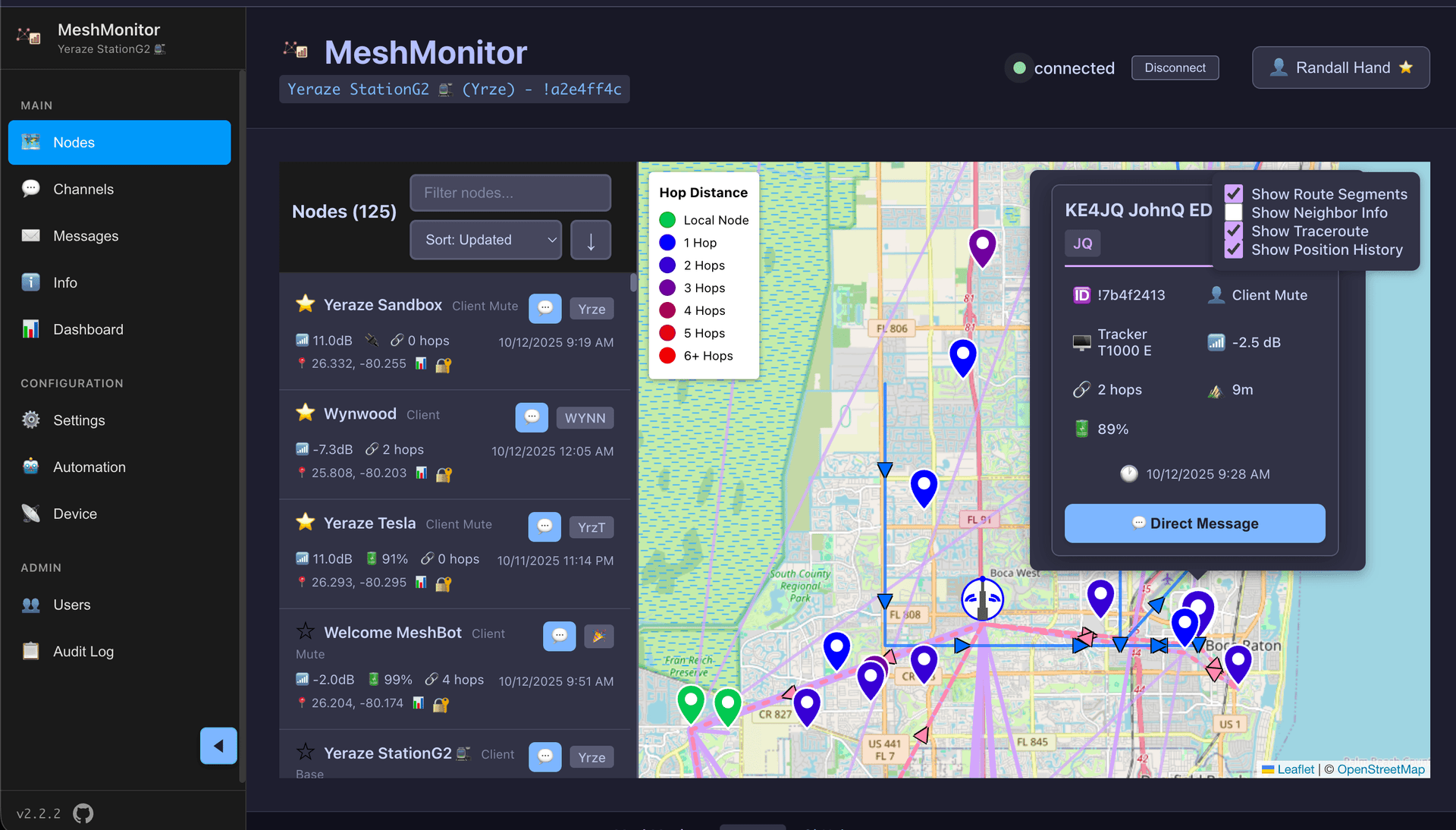
MeshMonitor v4.9.3 tackles a problem every busy Meshtastic dashboard runs into sooner or later: too many guesswork circles, not enough usable signal. The June 7 release moves Position Estimation out of a buried per-source automation screen and into Global Settings, where one schedule, one lookback window, and one manual recalculation now govern every source at once.
That change matters because MeshMonitor’s estimator is built for nodes that never send GPS. It pools traceroute and NeighborInfo observations across Meshtastic sources, then turns those links into a best-guess location. In practice, that means a dashboard can infer where a node probably sits even when the radio itself never reports coordinates, which is exactly the kind of edge that helps when you are watching a larger or noisier mesh instead of a handful of tidy nodes.
The old workflow was fragmented. After MeshMonitor 4.0 shifted the platform to multi-source operation on April 27, 2026, automation had already moved to per-source controls. Position Estimation followed that pattern until v4.9.3 gave it a single home and a single batch job. MeshMonitor now says the estimator runs on a schedule, with a default frequency of every 6 hours and lookback windows of 1, 3, 7, 14, or 30 days. It also now covers every Meshtastic source in the stack, including the embedded MQTT broker and MQTT bridges, while excluding MeshCore sources.
The biggest day-to-day gain is clutter control. MeshMonitor added a Maximum acceptable accuracy setting so loose estimates can be dropped before they swamp the map. The documentation recommends a cutoff of about 2 to 3 km, which trims the weakest guesses from the display. That is a sharp improvement over a single-anchor estimate that can throw a roughly 5 km uncertainty circle onto the map and make it harder to tell which nodes are actually worth following. Stale estimates that no longer meet the cutoff are cleared on the next run, so the map stays closer to the network as it is now, not as it looked last week.

The interface cleanup extends beyond the map. The existing Show Accuracy toggle now controls both GPS accuracy regions and estimated-position uncertainty circles, while Show Estimated Positions remains the separate switch for the markers themselves. MeshMonitor also added an edit mode that hides reorder handles until needed, a resizable sidebar for long MQTT source names, and a fix so node counts stay consistent no matter which source is selected.
For operators trying to spot, track, and interpret node activity at scale, that is the real upgrade: fewer scattered controls, fewer stale guesses, and a map that stays readable when the mesh gets busy.
This article was produced by Prism’s automated news system from verified source data, official records, and press releases, then run through automated quality and moderation checks before publishing. The system is built and supervised by the people who set the standards it runs under. Read our full AI policy.
Know something we missed? Have a correction or additional information?
Submit a Tip