Meshtastic explainer warns stock settings still leak metadata and traffic
Meshtastic encrypts payloads, not the whole mesh. Stock channels still expose metadata, and the default key leaves traffic readable unless you change it.
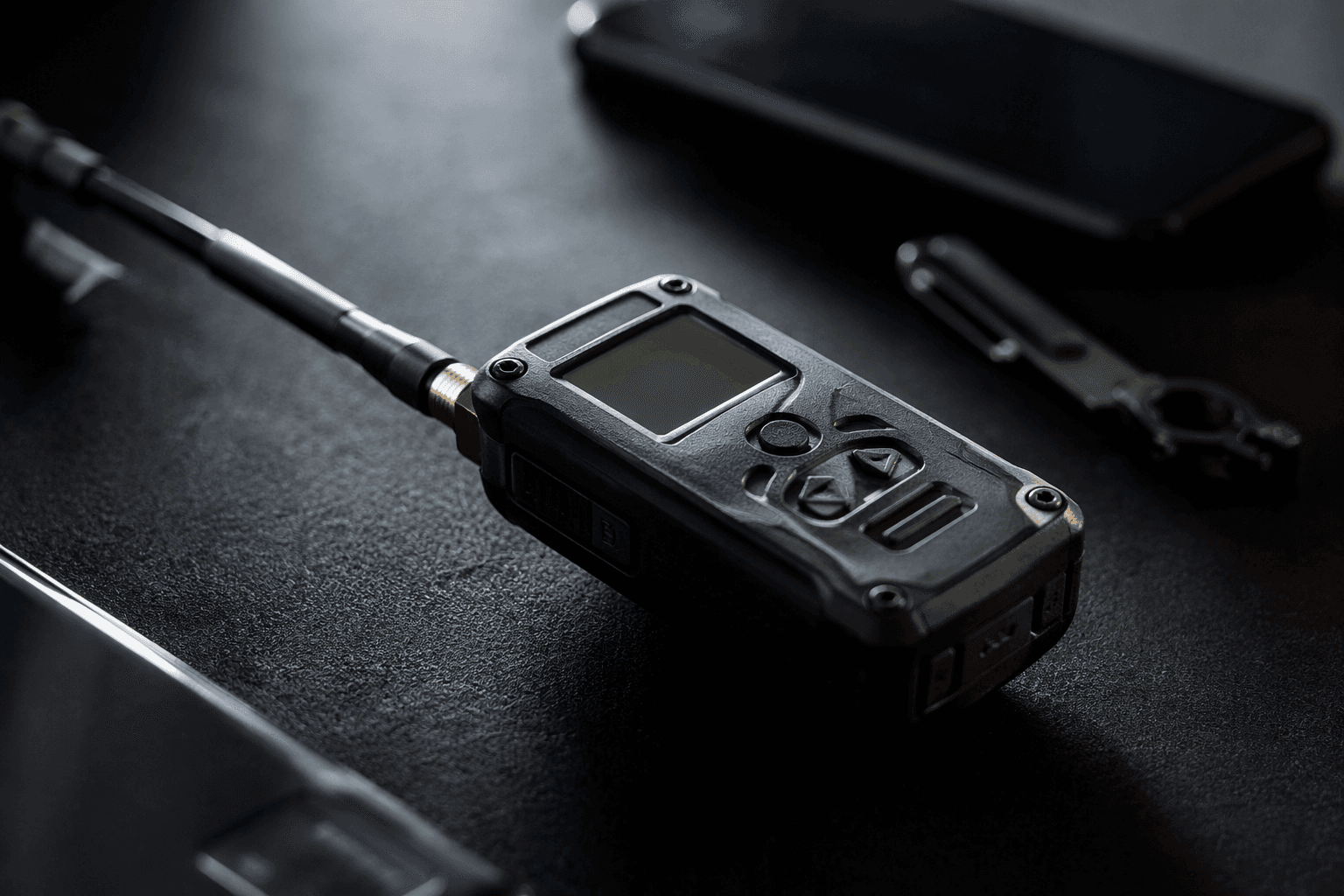
Meshtastic’s biggest trap for newcomers is simple: encrypted is not the same thing as private. The payload may be locked up, but stock settings still broadcast enough metadata for anyone with radio gear to map who is talking, when they’re talking, and how the mesh is moving. If you want real-world privacy, you have to change the defaults on purpose, not just assume the word “encrypted” covers everything.
The part most people get wrong
Meshtastic is an open-source, off-grid, decentralized mesh built for cheap, low-power devices, which is exactly why people reach for it in search and rescue, disaster recovery, off-grid communication, and grid-down scenarios. That same broadcast-first design is also why the privacy model is more limited than the casual “it’s encrypted” pitch suggests. The network is built around managed flooding, so nodes rebroadcast packets up to a hop limit, and that helps the mesh survive in rough LoRa conditions while making traffic patterns hard to hide.
The core rule is this: Meshtastic protects message content better than it protects message context. Payloads are encrypted with AES256-CTR, but the packet header is sent in the clear so other nodes can relay packets they cannot decrypt. That means the mesh can stay functional even when a node is not part of a channel, but it also means the airwaves still tell a story.
What stock settings still leak
If you leave the default primary channel alone, you are not running a private network. The default primary channel uses the known key AQ==, described in the docs as Hex 0x01, and Meshtastic says the default primary channel name is LongFast. That default exists to make onboarding easy, but it also means stock nodes using the same channel can read traffic on that channel unless you change the key or move to a custom channel.
The leak is not just message text. Meshtastic’s docs and routing model show that packet headers carry destination, sender, packet ID, and flags in the clear before the payload encryption is applied. The explainer also points out that sender, destination, packet ID, hop limit, and channel hash are visible to anyone listening with radio hardware. In practice, that means an outsider can still build a picture of who is active, which nodes are relaying, and how traffic flows through the mesh even when they cannot read the message body.
There is another easy-to-miss metadata path: the docs say the device’s periodic broadcasts go out over the primary channel, and if the default channel stays unchanged, location can be shared with every nearby node that is also using that default channel. That is the kind of detail people gloss over when they hear “encrypted.” It is also the kind of detail that matters if you are trying to keep a test node from advertising more than you intended.
How channels actually work
Meshtastic is not one flat chat room. Channels are organized as PRIMARY or SECONDARY, only one primary channel can exist, and the primary channel cannot be disabled. A node can belong to a maximum of 8 channels total, which gives you room to split traffic by use case instead of dumping everything onto one shared key.
Each channel has its own pre-shared key, and the docs say the key length can be 0-bit cleartext, a short default byte key, 128-bit, or 256-bit. If you want anything close to real privacy, the safe move is a full random 256-bit key shared out of band. Matching channel names are required to communicate, and channel settings include name, PSK, uplink, downlink, and mute controls, so you can keep separate groups from colliding on the same hardware.
The practical takeaway is blunt: do not trust a default channel to behave like a private group. Build a dedicated channel for the people who actually need to see the traffic, give it a strong PSK, and treat the default setup as an onboarding lane, not a secure one. That is the difference between using Meshtastic and assuming Meshtastic is doing your operational security for you.
What changed with version 2.5
Version 2.5.0 matters because it changed how direct messages work. Meshtastic says direct messages now use public-key cryptography, with the recipient’s public key used to encrypt the message and the sender’s private key used to sign it. The project’s blog says this new PKC scheme was based on a 2022 pull request proposed by a user named edinnen, and it replaced the older model where DMs rode on the shared channel key.
That is a real improvement, but it does not turn the whole mesh into a sealed tunnel. Meshtastic still says the platform lacks perfect forward secrecy, which leaves it exposed to harvest-now-decrypt-later attacks if a channel key is ever exposed. The known-limitations documentation also says channel encryption uses AES-CTR without authentication, so anyone who has the PSK can send as any other user on that channel, and spoofing can be possible if an attacker can infer plaintext and reuse the sender NodeNum and PacketID to match the IV.
So if you care about security, treat channel keys like credentials, not like wallpaper. Rotate them when they have to move, keep them out of casual chat logs, and assume that once a shared PSK escapes, old traffic is not magically safe just because it used encryption. That is especially important in communities that rely on the mesh for real field work, where a sloppy key handoff can compromise more than one conversation.
What to change if you want real privacy
If you are setting up a node for anything beyond toy use, start by throwing away the default assumptions. Use a custom channel with a random 256-bit key, leave the stock LongFast channel only where you truly need broad compatibility, and remember that the primary channel cannot be turned off. If you want DMs to mean something, make sure your firmware is on the 2.5 line or newer so you get the PKC direct-message model instead of the old shared-key behavior.
A few habits make a real difference:
- Give nodes neutral names. Since sender and destination are visible in packet headers, avoid putting real names, call signs, or sensitive roles into labels you do not want tied to radio traffic.
- Assume metadata is public. The air interface will still reveal timing, hop behavior, and channel structure even when the payload is encrypted.
- Separate use cases. With up to 8 channels available, keep admin traffic, field traffic, and experimental traffic from sharing the same PSK.
- Use DMs for what they are good at. Version 2.5.0 improves direct-message privacy, but it does not erase the fact that the mesh itself is still a broadcast system.
That is the real Meshtastic lesson the explainer gets right. The software does encrypt, and the 2.5-era DM model is a meaningful step forward, but stock settings still leak enough to matter. If you want the mesh to protect more than the message body, you have to treat channels, keys, names, and threat assumptions like part of the design, not an afterthought.
This article was produced by Prism’s automated news system from verified source data, official records, and press releases, then run through automated quality and moderation checks before publishing. The system is built and supervised by the people who set the standards it runs under. Read our full AI policy.
Know something we missed? Have a correction or additional information?
Submit a Tip

