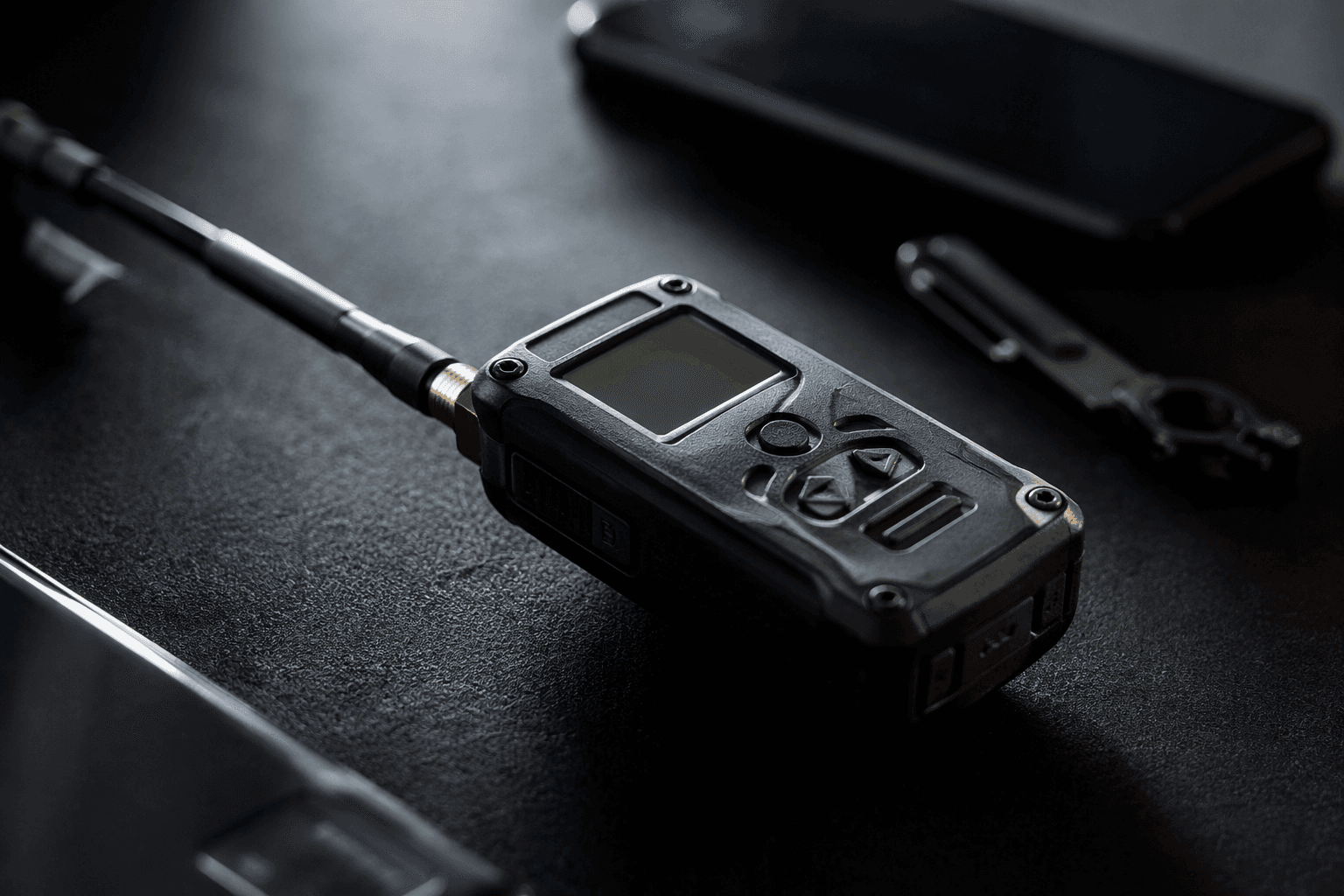
Meshnology launches $11.99 Meshtastic tracker with no setup hassle
Meshnology’s $11.99 N37 arrived pre-flashed and pre-assembled, turning a Wio Tracker L1 into a Meshtastic node that skips the usual soldering and flashing.

Meshnology has tried to remove the biggest barrier between curiosity and a working Meshtastic node: the weekend spent soldering, flashing firmware and chasing setup problems. Its N37 Wio Tracker L1 ships pre-flashed and pre-assembled, so the user only has to attach the antennas, pair it with a phone and start using the mesh. That makes it a sharp test of whether Meshtastic hardware is finally becoming approachable for hikers, vehicle-tracking users and absolute beginners who want a working off-grid tracker without building one from parts.
The device is built around Seeed Studio’s Wio Tracker L1 platform and combines Nordic Semiconductor’s nRF52840, Semtech’s SX1262 LoRa radio and an L76K GNSS receiver in a compact enclosed unit with a 1.3-inch OLED display. Meshnology says the N37 also includes a 3,000mAh battery, antennas and a 3D-printed enclosure, which turns it into a complete tracker rather than a bare development board. At $11.99, it lands at a price point that is unusually low even in a hobby where inexpensive Meshtastic-capable hardware is already common. By comparison, Seeed Studio’s current Wio Tracker L1 listing sits at about $31.
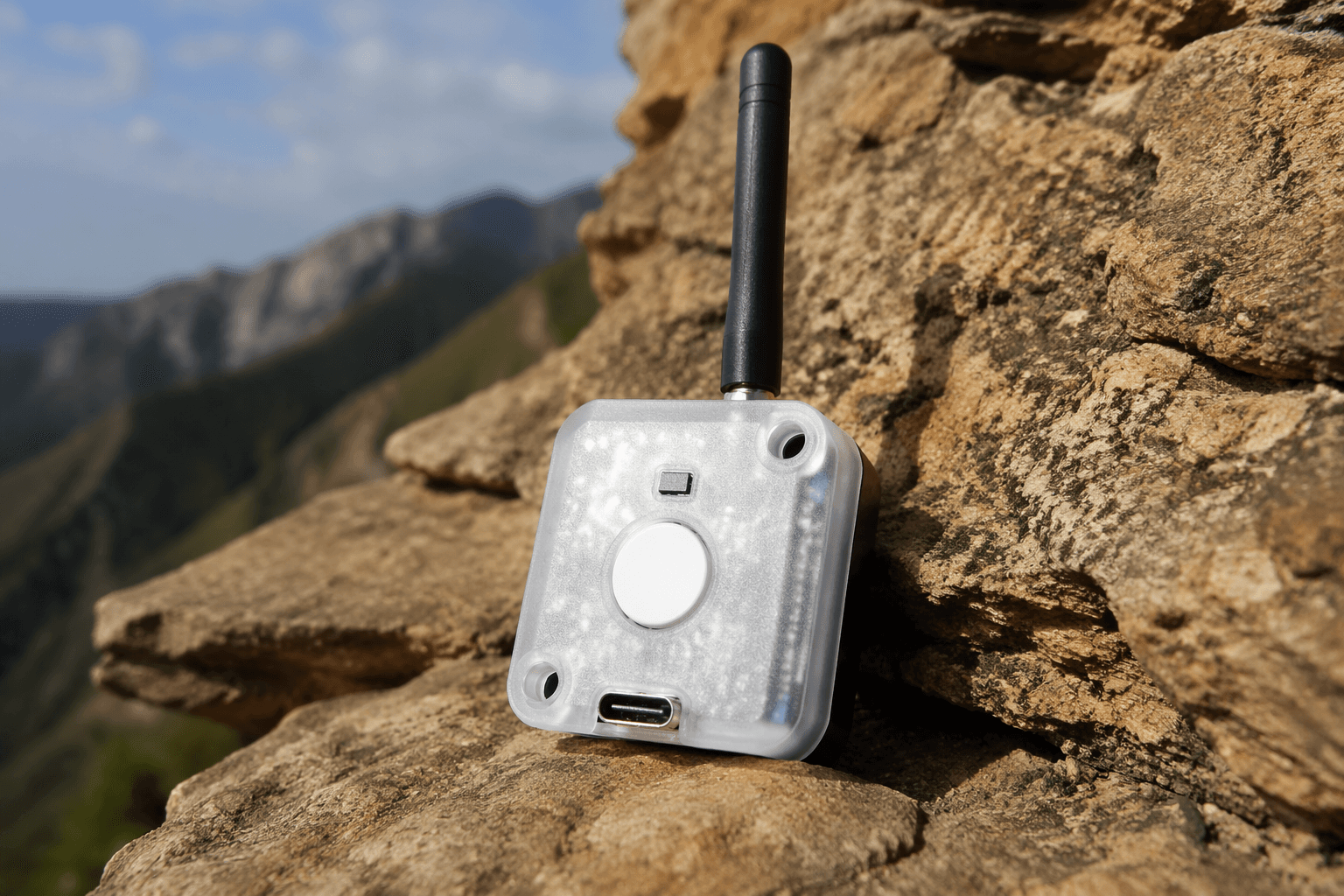
The appeal is not just the price, but the setup it eliminates. Meshtastic describes itself as an open-source, community-driven, off-grid decentralized mesh network built on affordable low-power devices, and its documentation says position data can come from either the radio or a paired phone. It also says time calculations need at least one node on the mesh with GPS, an RTC or internet access for NTP. Meshnology’s pitch trims that complexity down to one decision that still matters: choosing the correct region. The Wio Tracker L1 covers LoRa from 862 to 930 MHz, which lets the same core hardware fit United States and Europe deployments with the right configuration.

That combination of the nRF52840 and SX1262 is part of the reason the N37 is interesting to field users, not just tinkerers. The nRF52840 supports Bluetooth LE, Bluetooth Mesh, NFC, Thread and Zigbee, while the SX1262 can transmit up to +22 dBm. Meshnology also leans on the lower-power profile of the nRF52840 as a better fit for long-duration or solar-powered nodes than higher-draw ESP32 setups. For anyone who wants a spare node for a pack, a vehicle or an emergency kit, the N37 points Meshtastic a little farther away from bench-top assembly and a little closer to something that can be handed over and used immediately.
This article was produced by Prism’s automated news system from verified source data, official records, and press releases, then run through automated quality and moderation checks before publishing. The system is built and supervised by the people who set the standards it runs under. Read our full AI policy.
Know something we missed? Have a correction or additional information?
Submit a Tip