Meshtastic Android adds TAK v2 support and map precision clarity
Meshtastic Android’s latest pre-release makes TAK v2 links and MQTT traffic more dependable, while clarifying map precision so location data is harder to misread.
Meshtastic’s Android app got a pre-release that pushes it further from a simple messenger and closer to an operations console. The new v2.7.14-open.9 build added TAK v2 protocol integration with zstd compression and full CoT type support, giving the app a cleaner path into broader situational-awareness workflows where Meshtastic needs to talk to other tools, not just other nodes.
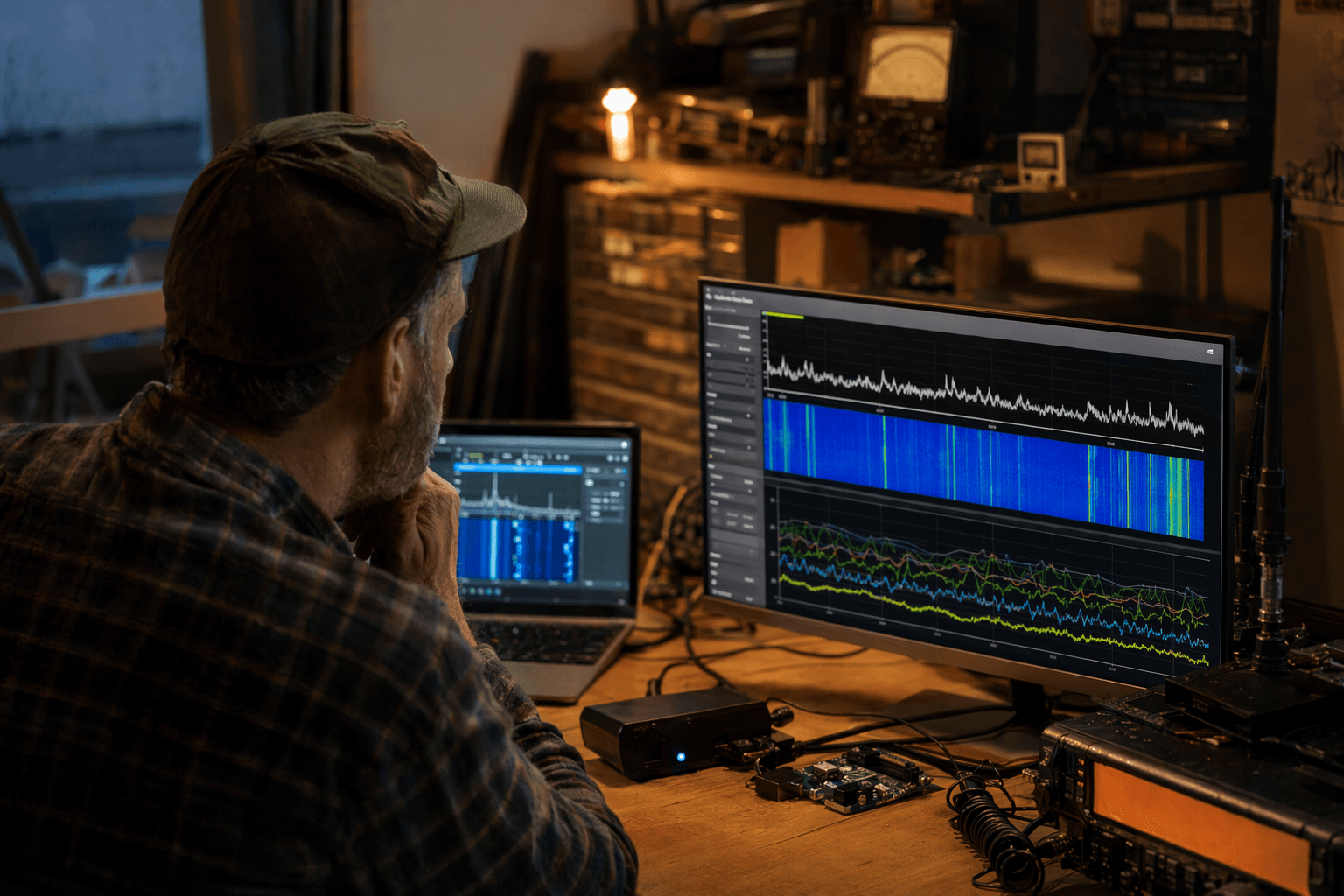
That matters because the TAK work is aimed at real field traffic, not demo conditions. Meshtastic’s TAKPacket-SDK describes itself as the single source of truth for CoT conversion and compression across client platforms, and its v2 wire format documentation says it can shrink CoT XML payloads from roughly 400 to 2,300 bytes down to a median of about 95 bytes using protobuf and zstd dictionary compression. On LoRa links, that kind of reduction is the difference between something that barely fits and something that can move reliably without choking the mesh.

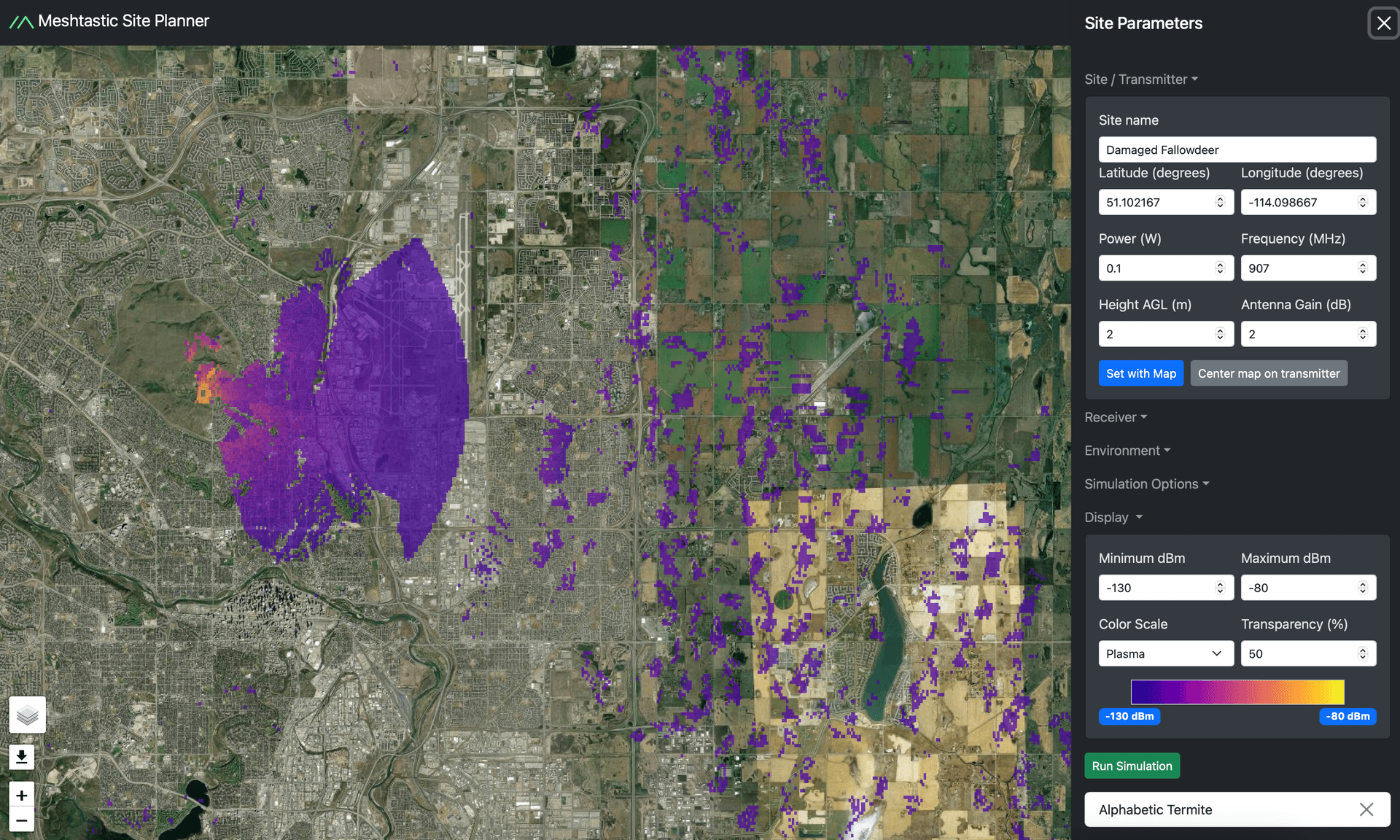
The app also tightened how it presents location data. Position precision is now clarified as a plus-or-minus radius, which should keep operators from treating a map pin as a survey-grade point when it is really an approximation with a margin of error. In a crowded incident, that distinction affects how confidently teams can route, rendezvous, and judge whether a report is close enough to act on.
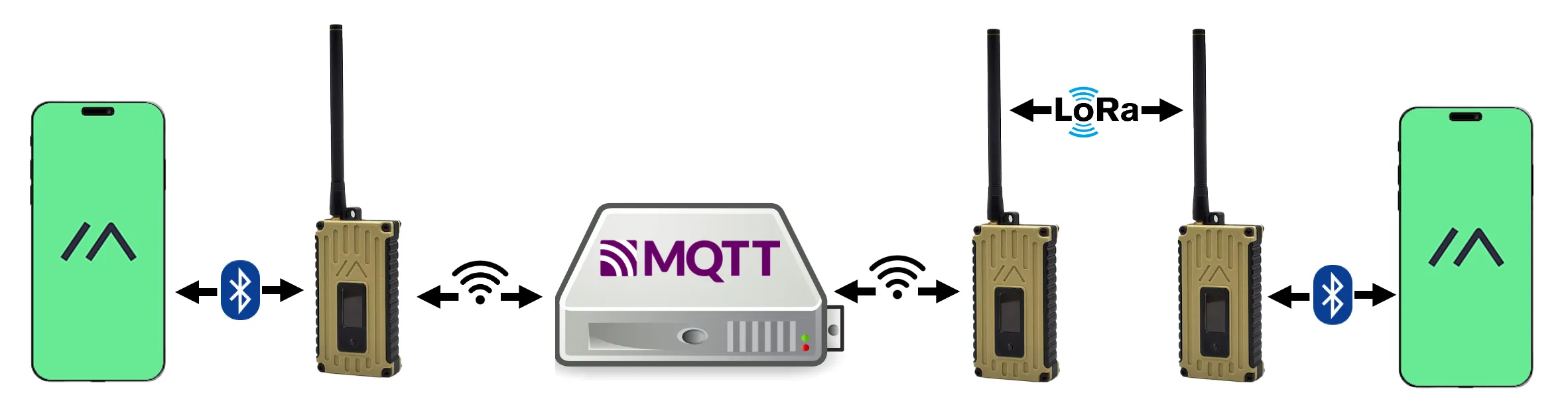
The networking side got its own round of hardening. MQTT now enforces TLS more strictly, supports a user CA trust chain, and returns clearer error diagnostics. The build also clamps future-dated lastHeard timestamps back to the current time when they are ingested, a small fix that should stop dashboards and device lists from showing impossible activity.
Meshtastic’s integration stack already includes an official ATAK plugin and MQTT bridging, so this release sharpened the seams between those systems rather than adding another isolated feature. The ATAK plugin sends CoT to IMeshService in the Android app, and the plugin documentation says received data can be displayed inside ATAK EUDs connected to a Meshtastic device. For teams testing the pre-release in the field, the key question is no longer whether Meshtastic can carry a packet. It is whether the packet survives real traffic, lands in the right format, and stays honest about what the map is actually showing.
Know something we missed? Have a correction or additional information?
Submit a Tip