Meshtastic bug report shows identical channel names can fail to hash alike
Two nodes can look synced on LongFast and still miss each other if one hashes the literal name and the other hashes an empty string.

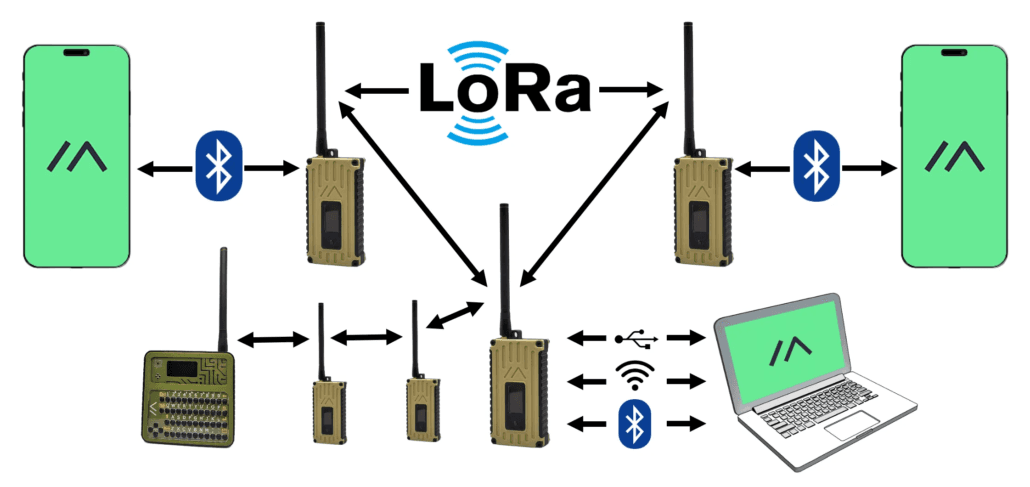
Two Meshtastic nodes can show the same channel name on screen and still refuse to decrypt each other’s packets if the firmware took different paths to build the channel hash. That is the trap exposed by bug report 10764, opened by NomDeTom and tagged as a bug with needs-logs, and it turns a simple-looking naming choice into a real interoperability failure.
The report pinned the behavior to how Meshtastic stores the channel name field. When the name is entered explicitly as a literal string such as LongFast, the firmware computes the hash from that exact text. When the name field is left blank, the firmware fills in the modem preset’s display name so the interface looks friendly, but the hash itself is still computed from the empty string. The result is awkward and easy to miss: two channels can look identical to a human and still diverge at the packet level.
That matters because Meshtastic’s own documentation already ties communication to matching channel names and encryption keys. The docs say the default PRIMARY channel name is LongFast with encryption key AQ==, while the default channel in a radio mesh is Channel 0 with a blank name and the same key. They also say the channel hash is 1 byte and determines which encryption key is used, and that the default LongFast channel hashes to channel 8. In the radio settings docs, a factory-reset radio defaults to LongFast with frequency slot 0, which maps to Slot 20 centered at 906.875 MHz.
The practical lesson is simple: configuration hygiene matters more than the label on the screen. If one node came up with a blank name path and another was provisioned with LongFast as an explicit string, the mesh may look consistent while the firmware quietly disagrees about identity. That can send operators chasing range problems, antenna problems, or bad hardware when the real fault is the channel field itself.
Meshtastic has been circling this issue for years. A 2020 issue proposed adding a hash-based suffix to channel names so a PSK change would be easier to spot, and a 2024 discussion noted that the channel hash is only one byte, so collisions are possible. Those details reinforce the same point: channel identity in Meshtastic is not just a cosmetic label, it is part of the encryption and acceptance path.
For anyone provisioning nodes, the fix is to verify the exact channel name, the PSK, and the path the firmware used to derive the hash before blaming the radio link. The bug report shows how a tiny naming mismatch can leave two devices looking aligned while they are not actually on the same mesh at all.
This article was produced by Prism’s automated news system from verified source data, official records, and press releases, then run through automated quality and moderation checks before publishing. The system is built and supervised by the people who set the standards it runs under. Read our full AI policy.
Did this article answer your question?