Meshtastic Build-Off 2026 invites global makers to create off-grid projects
A global Meshtastic build-off is running from May through August with more than $3,000 in prizes, pushing makers to turn half-finished off-grid ideas into usable tools.

Meshtastic’s Build-Off 2026 is set up to do more than reward clever demos. It is built to push real Meshtastic projects out of the sketch stage and into something the community can actually use, with a prize pool of more than $3,000 and entries open worldwide to developers, makers, and enthusiasts.
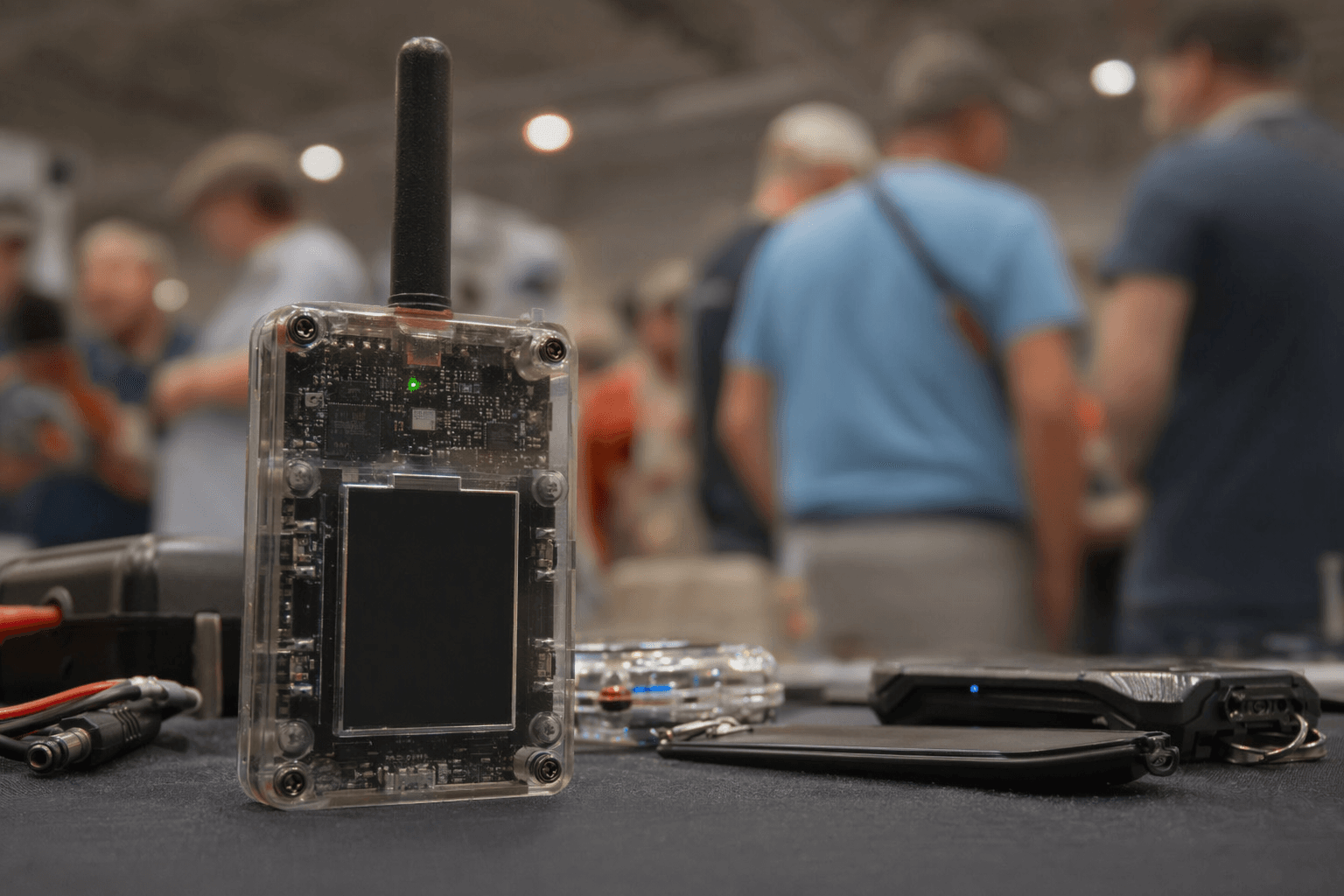
That matters because Meshtastic is no longer just a niche radio experiment. The project describes itself as an open-source, off-grid, decentralized mesh network built on affordable, low-power devices, using inexpensive LoRa radios to move messages without cell towers or internet. It already supports Apple apps, Android, a web client, and a Python CLI and SDK, which means the build-off can reward far more than hardware tinkering. Software tools, mobile apps, deployment utilities, and teaching resources all fit the brief.
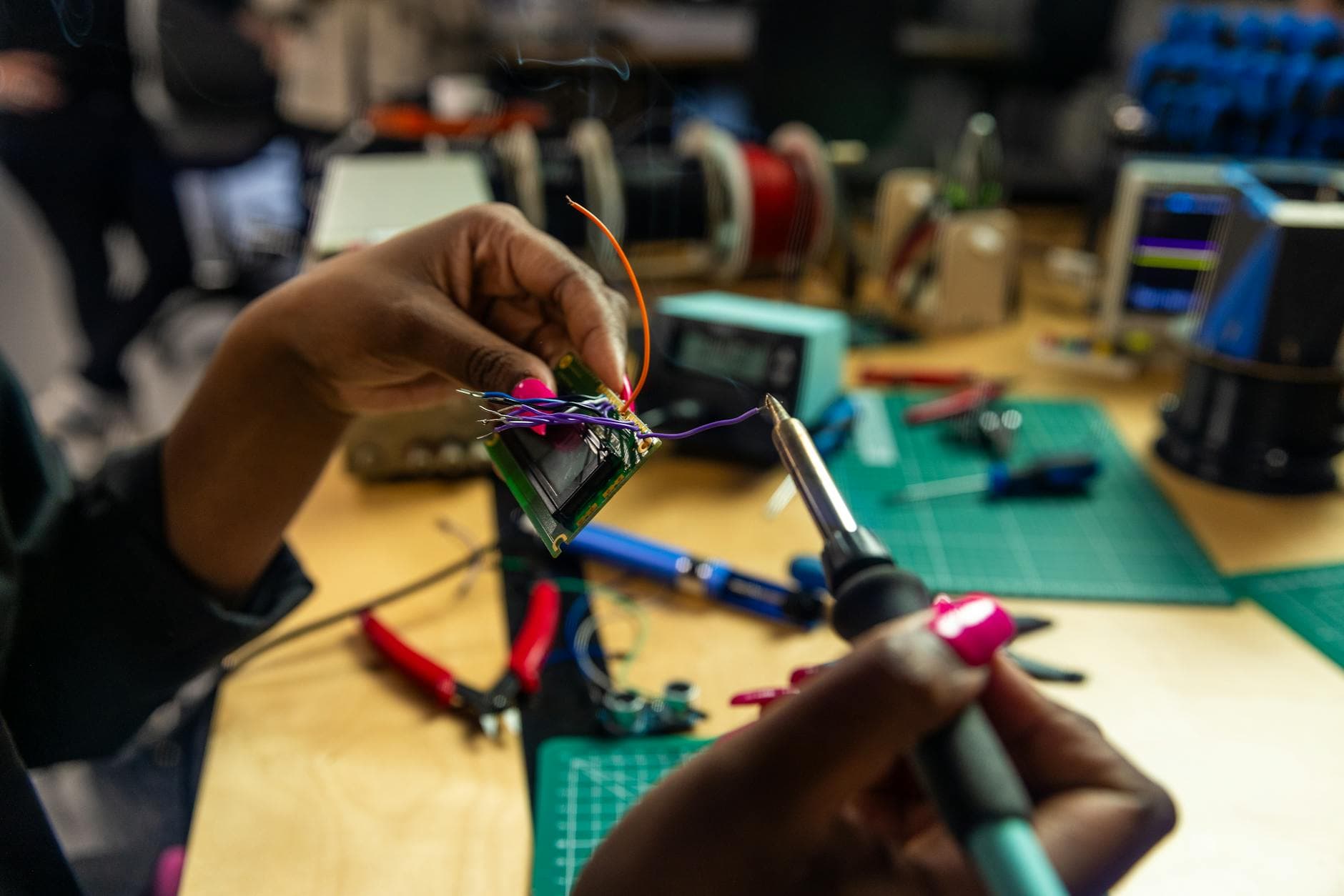
The competition’s scope is unusually wide. The README invites communication apps, hardware hacks, software tools, educational content, and creative uses, so entries can move in several directions at once: chat clients, emergency messaging systems, solar-powered nodes, gateways, monitoring dashboards, custom antennas, SDK extensions, tutorials, and even artistic or research-driven experiments. That breadth is important for Meshtastic because the strongest projects are likely to be the ones that solve a real problem for operators, not just the ones that look impressive in a demo video.
Submission is designed to be public and easy to verify. Entrants can use a submission button on the competition page that creates GitHub issues, or open issues directly from a template. The required details are straightforward: a project name or team name, email, phone number with country code, a public GitHub repository link, a project description, a tech stack, and an optional message to the organizers. In practice, that pushes participants to document what they built and how it works, which is exactly what a community release needs before anyone can adopt it.
Judging will focus on innovation, technical quality, completeness, impact, and presentation. That mix favors projects that are both useful and well finished, especially in a stack that already spans device firmware, web apps, and mobile and desktop apps. Meshtastic’s firmware supports ESP32, nRF52, RP2040 and RP2350, plus Linux-based devices, so the best entries could stretch across embedded hardware, phone apps, and gateway-style infrastructure instead of staying in one lane.
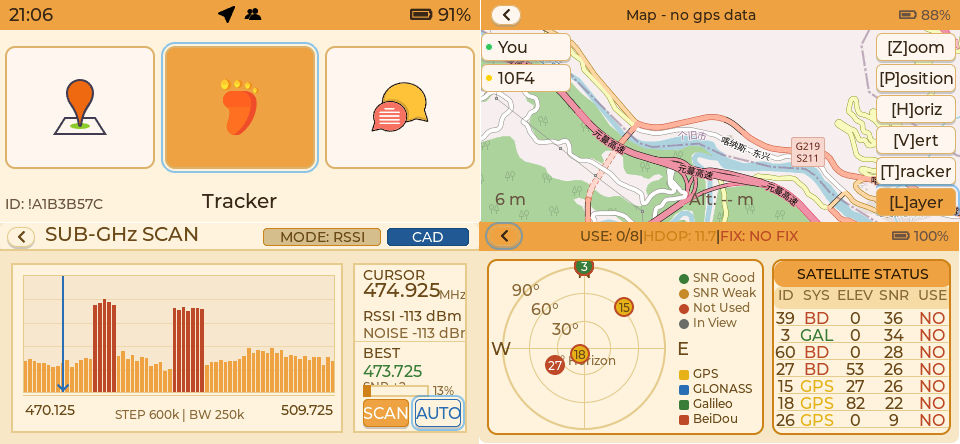
The timing also fits where Meshtastic is headed. The project says it is already used in search and rescue, off-grid communication, disaster recovery, and grid-down scenarios, and its 2.6 and 2.7 previews added a new standalone UI, next-hop routing for direct messages, and a redesigned BaseUI. A build-off arriving in that moment gives builders a clear target: ship something durable, document it well, and make it useful enough to survive after the contest ends.
Know something we missed? Have a correction or additional information?
Submit a Tip